Physical Address
304 North Cardinal St.
Dorchester Center, MA 02124
Physical Address
304 North Cardinal St.
Dorchester Center, MA 02124
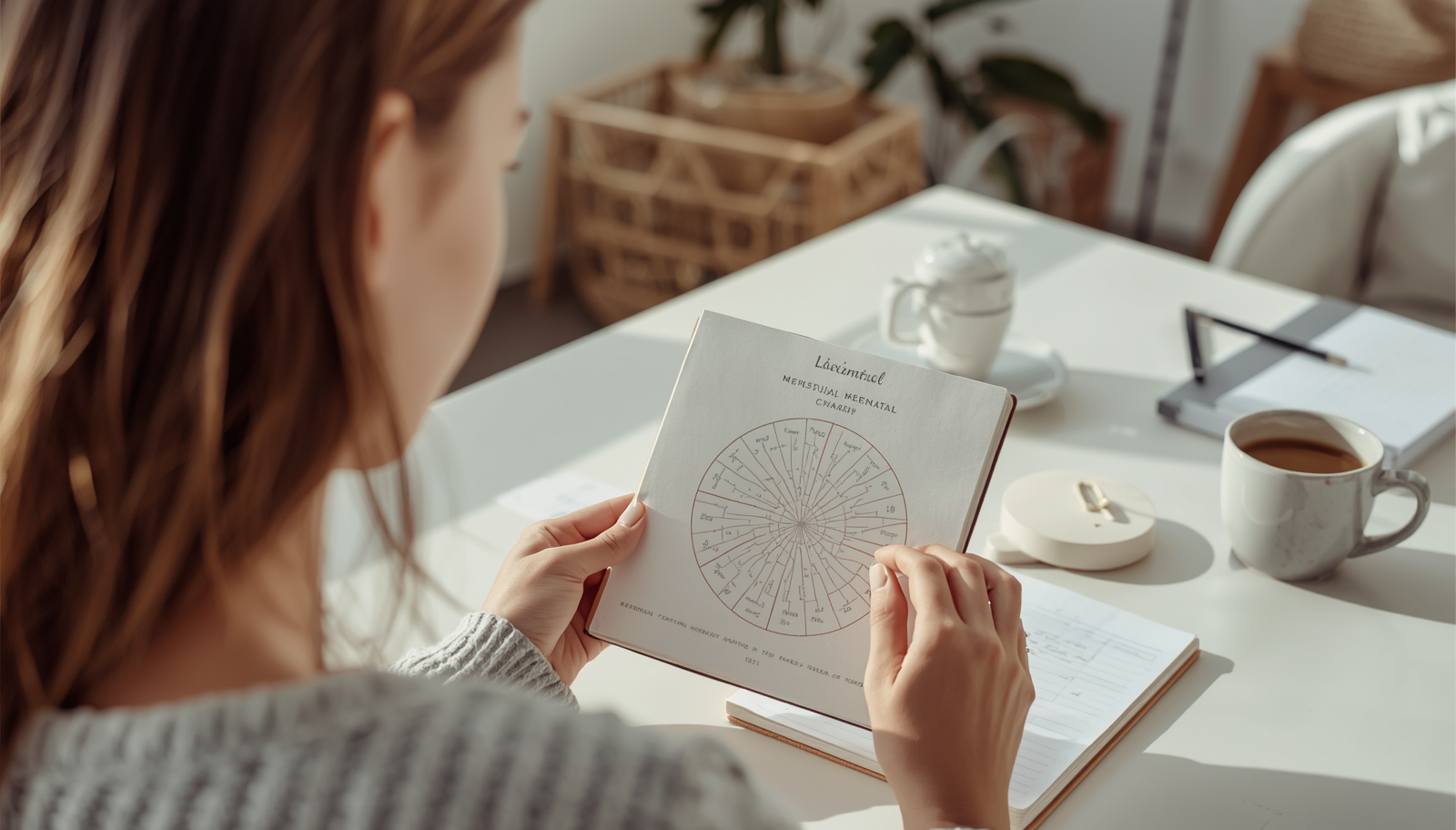
Learn the 10 most important metrics to track in your menstrual cycle phases chart so you can better understand your energy, mood, workouts, cravings, and overall health each month.
Some mornings feel productive and sharp. Other mornings feel like your brain left the building overnight and your leggings suddenly fit like a personal attack. Meanwhile, your calendar still expects you to function like a robot every single day. Cute idea, honestly.
For years, I thought my energy swings came from bad sleep, stress, parenting, or too much coffee. Sometimes it was those things. But once I started tracking my menstrual cycle phases chart consistently, the patterns became impossible to ignore.
Turns out my body was giving me clues the whole time. I just never paid attention long enough to connect them.
Tracking your cycle does not need to feel overly complicated or crunchy. You do not need twelve apps, color coded spreadsheets, or moon water sitting beside your laptop either.
You just need a few useful metrics that help you understand how your body changes throughout the month.

A menstrual cycle phases chart gives you a clearer picture of your physical and emotional patterns.
Instead of wondering why you suddenly feel exhausted, emotional, hungry, or wildly productive, you start seeing predictable shifts connected to hormonal changes.
The four main phases include:
Each phase affects energy, mood, sleep, appetite, workouts, and focus differently.
Once I started tracking these patterns, I stopped blaming myself for every low energy day. That alone felt weirdly freeing.
Takeaway: A menstrual cycle phases chart helps you work with your body instead of constantly fighting it.

Hormones influence how energized you feel.
During the follicular and ovulation phases, many women feel more motivated and productive. During the luteal and menstrual phases, energy often dips.
This explains why some days you clean the entire house before noon and other days answering one email deserves a trophy.
Keep it simple.
Rate your daily energy from 1 to 10 inside a notebook or app.
Pay attention to:
After two or three cycles, patterns usually appear.
My energy peaks around ovulation. I suddenly believe I can reorganize closets, meal prep, and start a new business before dinner. Then luteal phase arrives and humbles me immediately.
Very rude, honestly 🙂
Takeaway: Tracking energy levels helps you plan work, workouts, and rest more realistically.
Mood swings are not just random drama your body invents for entertainment.
Estrogen and progesterone shifts can influence:
Tracking mood helps you notice emotional patterns before they spiral.
Use quick labels like:
No need to write a full diary entry unless you want to.
Once I realized certain emotional dips happened during the same phase every month, I stopped panicking that my entire personality changed overnight.
That realization saved me from several unnecessary online shopping decisions too.
Takeaway: Mood tracking creates more self awareness and less self criticism.
Hormonal shifts can affect sleep patterns throughout the month.
Many women notice:
Monitor:
You may notice your body needs more rest during certain phases.
The week before my period, I can sleep eight hours and still feel like someone unplugged my battery overnight. Tracking helped me stop expecting peak productivity during that phase.
Takeaway: Sleep tracking reveals recovery patterns your body already follows naturally.

Hormones influence hunger and cravings more than people admit.
The luteal phase especially can increase appetite and cravings for carbs or sweets.
So yes, craving chocolate before your period is basically a cliché because it happens to a lot of us.
Track:
This can help you prepare balanced meals before cravings hit hard.
I used to think I lacked discipline every month. Then I learned metabolism slightly increases during the luteal phase. Suddenly the extra hunger made a lot more sense.
Funny how information reduces guilt.
Takeaway: Tracking appetite helps you respond to cravings with awareness instead of shame.

Workout performance often shifts depending on cycle phase.
Many women feel strongest during:
Energy and recovery may drop during:
Track:
This creates a clearer fitness picture over time.
Instead of forcing intense workouts every week, I started adjusting intensity based on my cycle. Suddenly fitness stopped feeling like punishment.
Honestly, my body cooperated way more once I stopped acting like a drill sergeant.
Takeaway: Workout tracking helps you train smarter instead of harder all month long.
Hormonal fluctuations can affect oil production and breakouts.
You may notice:
Tracking skin changes helps identify predictable hormonal patterns instead of randomly buying expensive products every two weeks.
Been there. Regretted that.
Write down:
Small notes make a big difference over time.
Takeaway: Skin tracking helps you spot hormonal trends before frustration kicks in.
Tracking cycle length helps you understand what feels normal for your body.
Most menstrual cycles range from 21 to 35 days.
Track:
Consistency matters more than perfection.
Your cycle does not need to match someone else’s app screenshot online. Bodies vary.
Stress, travel, illness, parenting chaos, and poor sleep can all influence timing too. FYI, life rarely stays perfectly balanced.
Takeaway: Tracking cycle length creates a clearer baseline for your personal health patterns.
Some phases naturally feel more social and outgoing.
Others feel like every text notification personally offends you.
This shift is surprisingly common.
Track when you feel:
I started scheduling meetings and social events during phases where I naturally felt more energetic and communicative. It genuinely reduced stress.
No magical productivity hack required.
Takeaway: Social energy tracking helps you plan life around realistic emotional capacity.

Your menstrual cycle phases chart should include physical symptoms too.
Examples include:
Patterns help you prepare ahead of time.
If bloating usually appears three days before your period, you stop feeling blindsided every month.
I always notice lower back soreness before my period starts. For years I thought I kept sleeping weirdly. Nope. Just hormones doing their monthly performance review.
Takeaway: Symptom tracking reduces confusion and helps you feel more prepared each month.
Brain fog during certain phases feels incredibly real because it is.
Many women notice:
Track:
Even simple notes help reveal patterns.
Once I understood my productivity naturally fluctuated throughout my cycle, I stopped forcing huge work projects during low energy days.
Turns out working with your body feels much easier than constantly arguing with it.
Takeaway: Productivity tracking helps you plan demanding tasks during your strongest mental phases.
Creating your own menstrual cycle phases chart does not need to feel overwhelming. Start small. Track a few patterns consistently and let the information build over time.
The goal is not perfect control over your hormones. The goal is understanding your body better so daily life feels less confusing and frustrating.
Some phases bring energy and confidence. Others bring slower days and extra recovery needs. Both deserve respect.
And honestly, once you notice the patterns, you may finally stop blaming yourself for being human every month.