Physical Address
304 North Cardinal St.
Dorchester Center, MA 02124
Physical Address
304 North Cardinal St.
Dorchester Center, MA 02124

Discover five simple biohacking habits that can help flatten your glucose spike curve, reduce cravings, improve energy levels, and support better metabolic health without restrictive dieting.
A bowl of cereal. A flavored coffee. Maybe a granola bar grabbed on the way out the door.
A couple of hours later, you’re already hungry again.
Your energy starts fading. You find yourself reaching for another snack. Then another. By mid-afternoon, even the office candy bowl starts looking strangely appealing.
For years, I thought that was just part of being busy. Work hard, feel tired, eat something sweet, repeat.
Then I started learning about blood sugar and glucose spikes.
What surprised me most wasn’t how complicated the science was. It was how many everyday habits quietly pushed my blood sugar onto a roller coaster.
The good news is that you don’t need a laboratory, expensive supplements, or a drawer full of biohacking gadgets to improve it.
These 5 biohacking tips to flatten your glucose spike curve are simple, practical, and surprisingly effective for supporting better energy, fewer cravings, and steadier focus throughout the day.


Before jumping into the tips, let’s quickly cover what actually happens.
When you eat carbohydrates, your body converts them into glucose. That glucose enters your bloodstream and provides energy for your cells.
The issue arises when glucose rises too quickly.
Your body releases insulin to bring blood sugar back down. Sometimes that response happens so aggressively that you end up feeling tired, hungry, or craving more food shortly afterward.
Common signs of frequent glucose spikes include:
The goal isn’t avoiding carbohydrates completely.
The goal is creating a smoother glucose response so your body isn’t constantly bouncing between highs and lows.
Takeaway: Stable blood sugar often leads to more stable energy, appetite, and focus.
This might be the easiest biohack I’ve ever adopted.
Instead of changing what I ate, I changed the order I ate it.
I started eating vegetables before the rest of my meal.
At first, it felt almost silly. Could eating my salad first really matter that much?
Turns out, yes.
Vegetables contain fiber, which helps slow digestion and reduce the speed at which glucose enters the bloodstream.
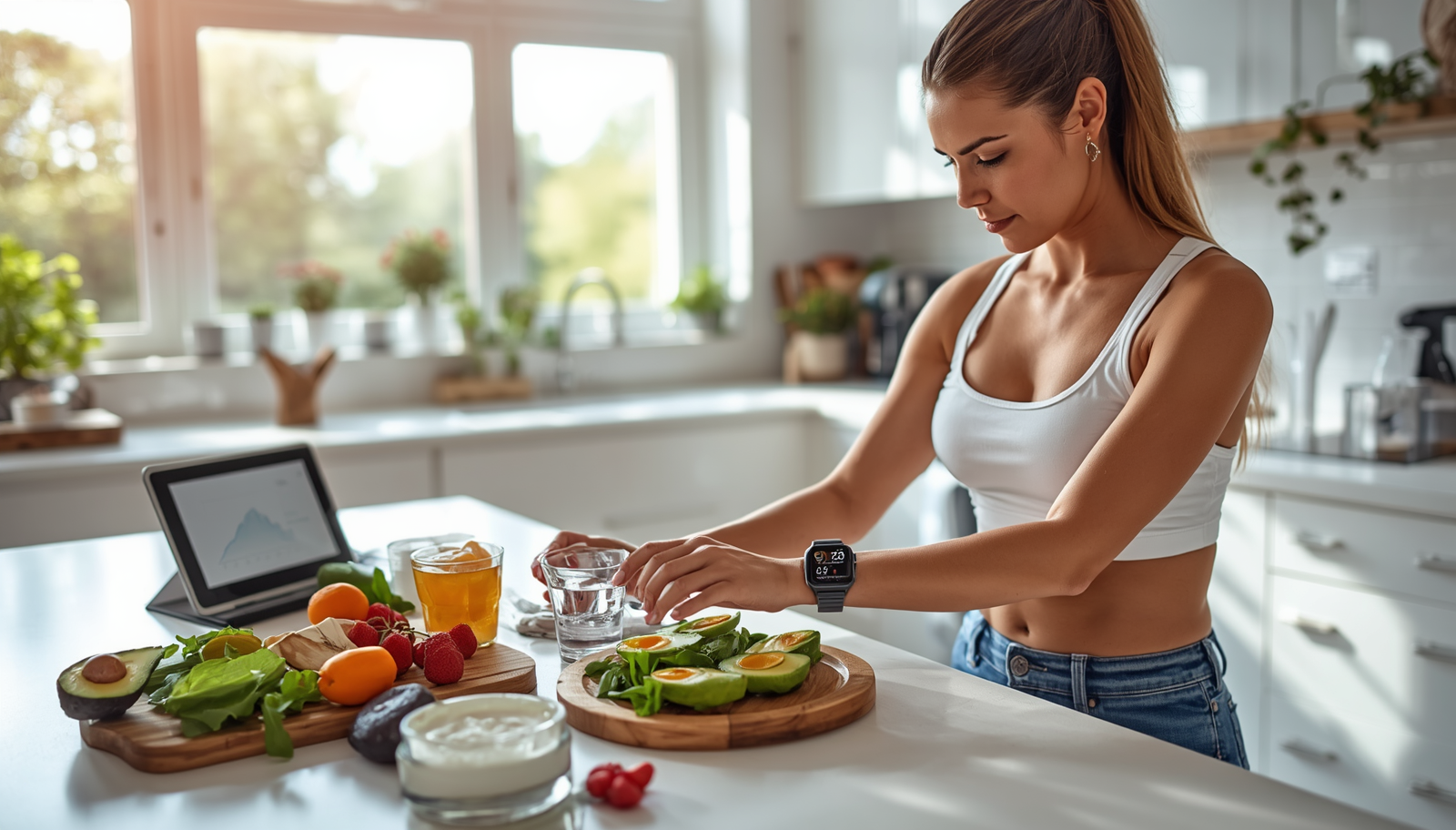
A typical dinner for me now looks like this:
The meal itself isn’t dramatically different. Yet I consistently feel more satisfied afterward and experience fewer cravings later in the evening.
Fiber acts like a natural traffic controller.
Instead of allowing glucose to flood into your bloodstream all at once, fiber slows things down and creates a more gradual response.
That’s exactly what we’re aiming for.
Start meals with vegetables whenever possible. It’s one of the simplest ways to flatten your glucose spike curve without changing your favorite foods.
Years ago, I thought fruit by itself was the perfect snack.
Then I’d be hungry again an hour later.
Sound familiar?
The missing piece was protein.
When carbohydrates travel alone, they often digest quickly and cause larger glucose spikes. Pairing them with protein or healthy fats slows digestion and creates a steadier energy release.
Some excellent combinations include:
I noticed a huge difference after making this adjustment.
Not only did I stay full longer, but those random snack attacks became far less frequent.
And honestly, spending half the afternoon thinking about cookies gets old fast. 🙂
Protein and fats slow gastric emptying, which means glucose enters your bloodstream more gradually.
The result is a flatter glucose curve and more sustained energy.
Never let carbohydrates travel alone. Pair them with protein or healthy fats whenever possible.
This tip delivers a remarkable return on effort.
No gym membership required.
No fancy equipment.
No intense workout plan.
Just a short walk.
After eating, your muscles can use glucose for energy. Moving your body helps pull glucose from your bloodstream and into working muscle tissue.
I’ve noticed this countless times after dinner.
If I collapse onto the couch immediately, I often feel sluggish.
If I spend ten minutes walking around the neighborhood, I feel noticeably more energized afterward.
You don’t need speed.
You just need movement.
A simple 10-minute walk after meals may significantly reduce post-meal glucose spikes.


When I first heard this recommendation, I was skeptical.
Actually, skeptical might be putting it politely.
Vinegar sounded more like a salad ingredient than a biohacking tool.
Yet several studies suggest vinegar may help reduce post-meal glucose responses when consumed before carbohydrate-heavy meals.
The common approach is:
A few important notes:
Personally, I reserve this strategy for higher-carb meals such as pizza night, birthday parties, or holiday dinners.
FYI, it isn’t magic.
It can support healthy glucose management, but it won’t erase the effects of an all-you-can-eat dessert buffet.
Diluted apple cider vinegar may help flatten glucose spikes when combined with healthy eating habits.
Breakfast turned out to be my biggest glucose troublemaker.
For years, I started my day with foods that looked healthy:
The problem?
I was hungry again before lunchtime.
Switching to savory, protein-focused breakfasts made a noticeable difference.
Some of my favorites include:
The result wasn’t subtle.
My energy became more consistent. Cravings decreased. Focus improved.
Most importantly, I stopped feeling like I needed a second breakfast by 10 a.m.
Your first meal often influences blood sugar responses throughout the day.
Starting with protein and healthy fats creates a stronger foundation than beginning with a large dose of sugar.
A savory, protein-rich breakfast may be one of the most effective ways to flatten your glucose spike curve from the start of the day.
Even people who care about nutrition often make these mistakes.
Sweet coffee drinks, sodas, juices, and sugary smoothies can trigger rapid glucose increases because liquids digest quickly.
This funny biohacker phrase refers to carbohydrates eaten by themselves.
Examples include:
Without protein, fat, or fiber, glucose often rises much faster.
Remaining inactive for hours after eating can contribute to larger glucose spikes compared to getting some light movement.
Many glucose issues come from simple daily habits rather than major dietary mistakes.
The beauty of these strategies is their simplicity.
You don’t need expensive continuous glucose monitors.
You don’t need complicated tracking apps.
You don’t need to turn your kitchen into a science laboratory.
A realistic day might look like this:
Small habits stack surprisingly well.
Over time, they can create meaningful improvements in energy, appetite control, and metabolic health.
Flattening your glucose spike curve isn’t about chasing perfection.
It’s about helping your body work with you instead of against you.
Start with one habit. Just one.
Eat vegetables first. Take a short walk after dinner. Add more protein to breakfast.
Then build from there.
The best biohacks are often the least glamorous. Small daily actions repeated consistently can outperform complicated health plans that last exactly four days before disappearing into a drawer with all the other abandoned wellness experiments.