Physical Address
304 North Cardinal St.
Dorchester Center, MA 02124
Physical Address
304 North Cardinal St.
Dorchester Center, MA 02124


A simple, realistic approach to meal planning for hormone health that helps you feel more steady, less stressed, and finally in control of your week.
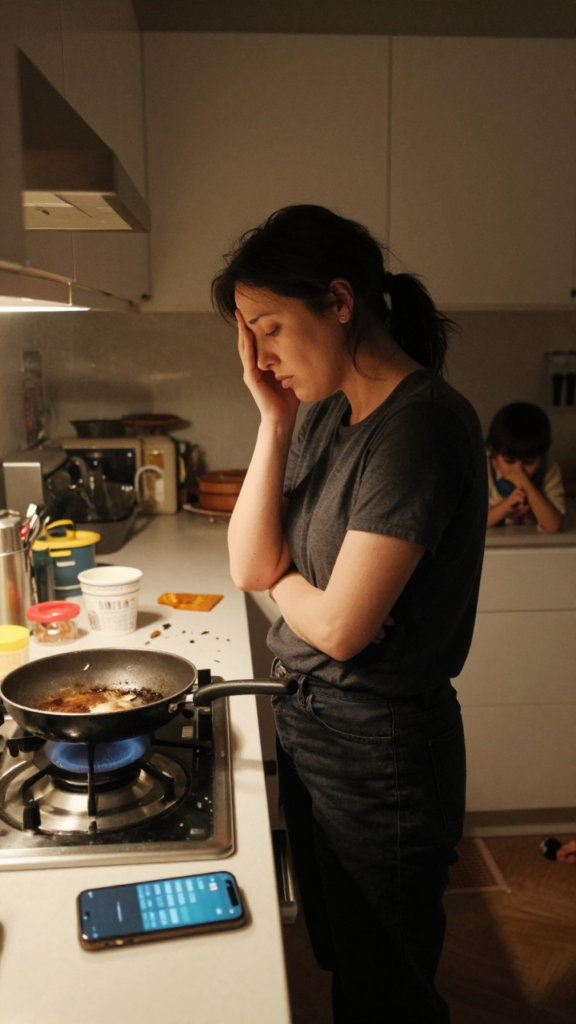
Dinner is burning, my inbox is full, and my daughter just asked for a snack right after I cleaned the kitchen. I stand there, hungry and annoyed, wondering why I feel so off lately. Not sick, not tired exactly, just… off.
That used to be my normal.
It took me longer than I like to admit to connect the dots. My hormones were all over the place, and my food habits were not helping. Skipping meals, grabbing sugar when I crashed, calling coffee a personality trait. You know the drill 🙂
Once I started planning my meals with hormone health in mind, things didn’t become perfect. But they became calmer. More predictable. And honestly, that is half the battle.
Here is what actually helped.
Hormones like stability. They respond to sleep, stress, and yes, what you eat every single day. When meals are random, your blood sugar spikes and crashes. That affects cortisol, insulin, and even estrogen balance.
Meal planning is not about being strict. It is about removing chaos from your week so your body does not have to deal with extra stress.
Takeaway: Consistent meals help stabilize blood sugar, which supports balanced hormones and better energy.
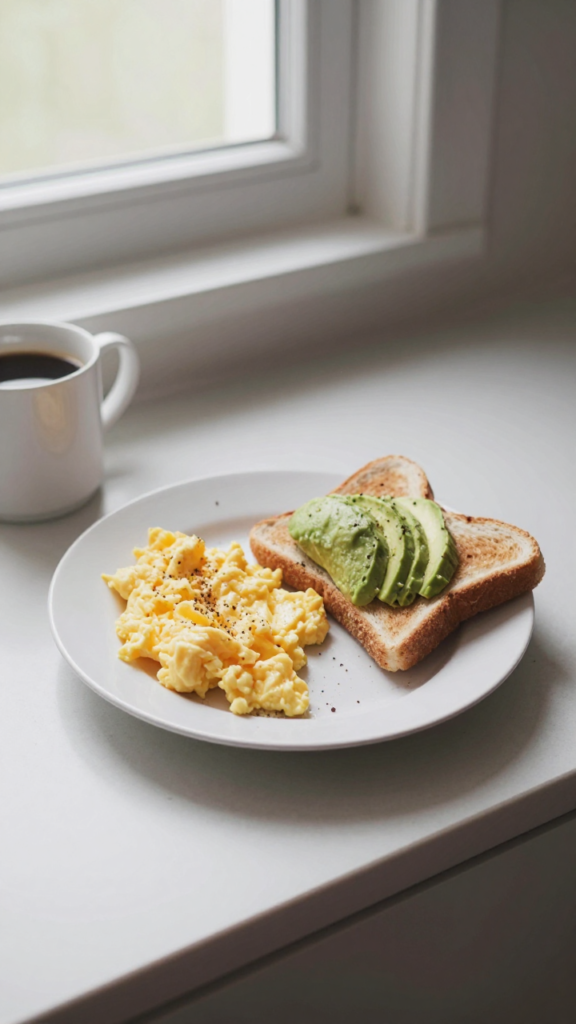
I used to build meals around carbs because they are easy. Pasta, rice, bread, repeat. Then I wondered why I felt hungry two hours later.
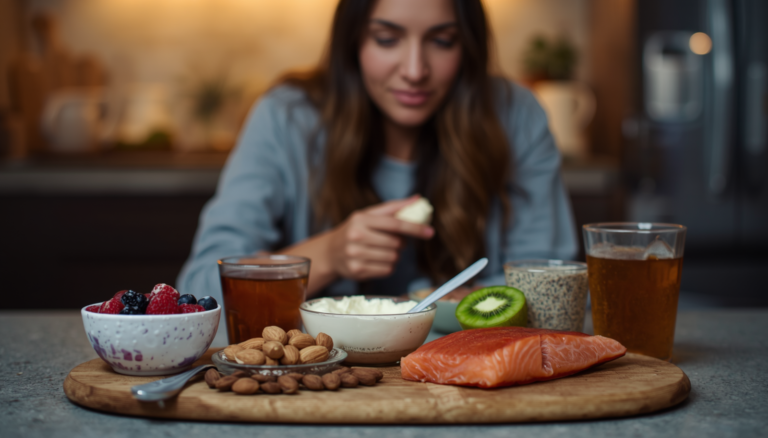
Now I start with protein. Every single meal.
Protein keeps blood sugar steady and helps reduce cravings later. It also supports hormone production.
A quick example from my week
Breakfast was eggs with toast instead of just toast. I stayed full until lunch. That alone felt like a small win.
Takeaway: Anchor every meal with protein to avoid energy crashes and mood swings.
I used to skip breakfast thinking I was being efficient. I was not. By noon, I felt shaky and grabbed whatever was closest. Usually something sweet.
Skipping meals puts stress on your body. It raises cortisol, which then messes with other hormones.
It does not have to be fancy. Some days breakfast is just yogurt and fruit. That is fine.
Takeaway: Regular meals keep cortisol in check and prevent binge eating later.
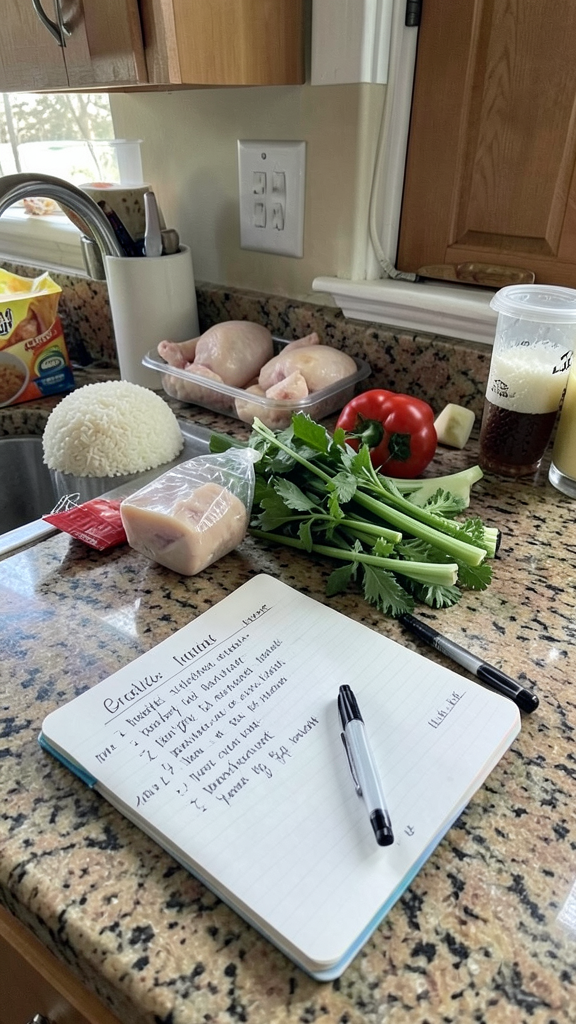
I used to think meal planning meant writing a perfect menu and prepping everything on Sunday. That lasted one week.
Now I keep it simple.
That is it. No complicated spreadsheets.
For example
Grilled chicken, ground beef, and eggs
Broccoli and carrots
Rice as the base
I mix and match all week. It is not exciting, but it works.
Takeaway: Simple planning beats perfect planning. Keep your system repeatable.
This changed everything for me.
A balanced plate helps avoid the rollercoaster feeling. You know the one. High energy, then sudden crash, then cravings.
For example
Chicken, avocado, roasted veggies, and a small portion of rice
This combination slows digestion and keeps energy steady.
I noticed fewer cravings at night once I started doing this. Also fewer random mood swings. My family appreciated that part 🙂
Takeaway: Combine protein, fat, fiber, and carbs to stabilize blood sugar and reduce cravings.
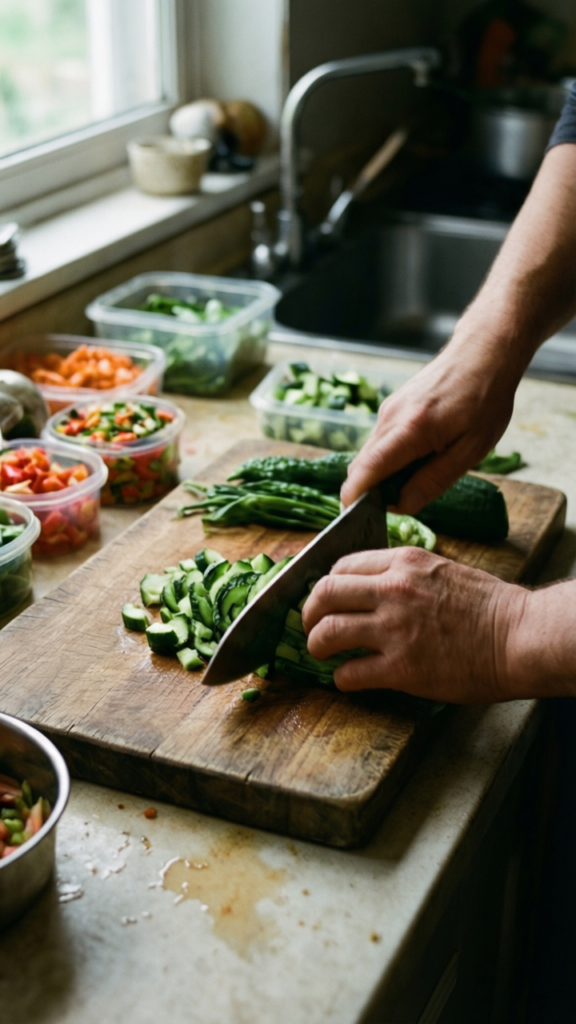
Full meal prep sounds nice until you are eating the same container five days in a row and questioning your life choices.
I switched to prepping ingredients instead.
This gives me flexibility. I can throw together different meals without starting from zero.
Also, it feels less boring. And let’s be honest, boredom leads to ordering takeout.
Takeaway: Prep building blocks so you can mix meals easily without feeling stuck.
There was a time I avoided fats because I thought they would make me gain weight. That was not my brightest phase.
Healthy fats are essential for hormone production. Especially for women.
Adding fats makes meals more satisfying. It also helps with absorption of certain vitamins.
A salad without fat is just a sad pile of vegetables. I said what I said.
Takeaway: Include healthy fats daily to support hormone balance and satiety.
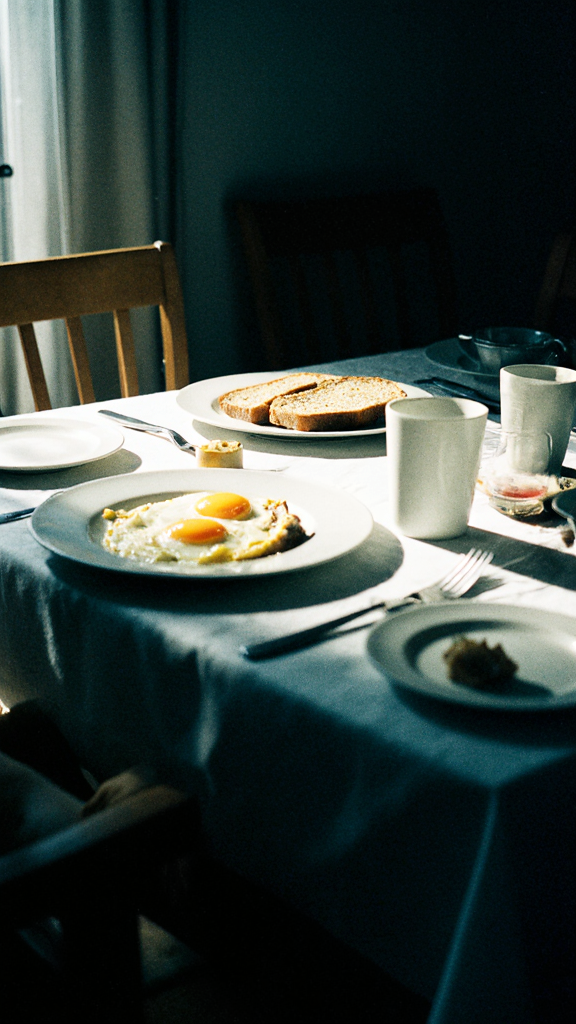
This one matters more than all the others.
Your week will not go as planned. Kids get sick, work runs late, you feel tired. That is normal.
So plan for that.
Some nights dinner is scrambled eggs and toast. And guess what, everyone survives 🙂
IMO, the goal is not perfection. It is consistency.
Takeaway: Build a flexible plan that can handle real life without stress.
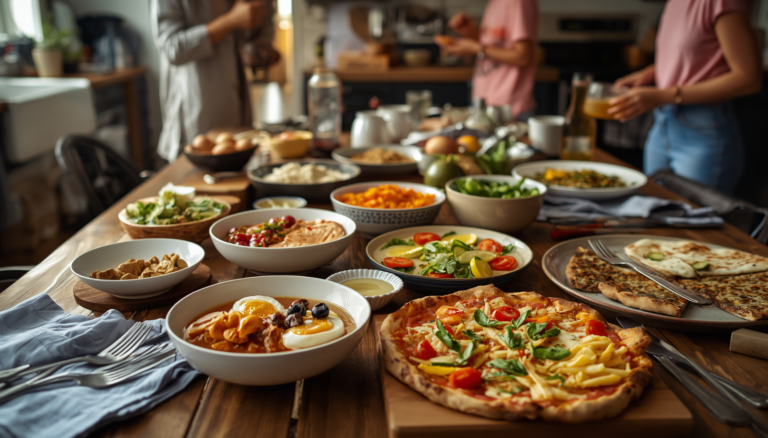
To make this practical, here is a simple example.
Nothing fancy. Just balanced, repeatable meals.
The biggest shift was not physical at first. It was mental.
I stopped thinking about food all day. I stopped opening the fridge hoping something new would magically appear. That alone reduced stress.
Then the physical changes followed. More stable energy. Fewer cravings. Better mood. Not perfect, but better.
Also, my daughter now sees a more structured way of eating. That matters to me more than anything.
Meal planning for hormone health is not about strict rules or perfect meals. It is about giving your body a steady rhythm it can rely on.
Start small. Pick a few meals, repeat them, and adjust as you go. You do not need a full system overnight.
The week will still be messy. Life will still interrupt. But when your meals are planned, one part of your day feels under control.
And sometimes, that is enough to change everything.