Physical Address
304 North Cardinal St.
Dorchester Center, MA 02124
Physical Address
304 North Cardinal St.
Dorchester Center, MA 02124

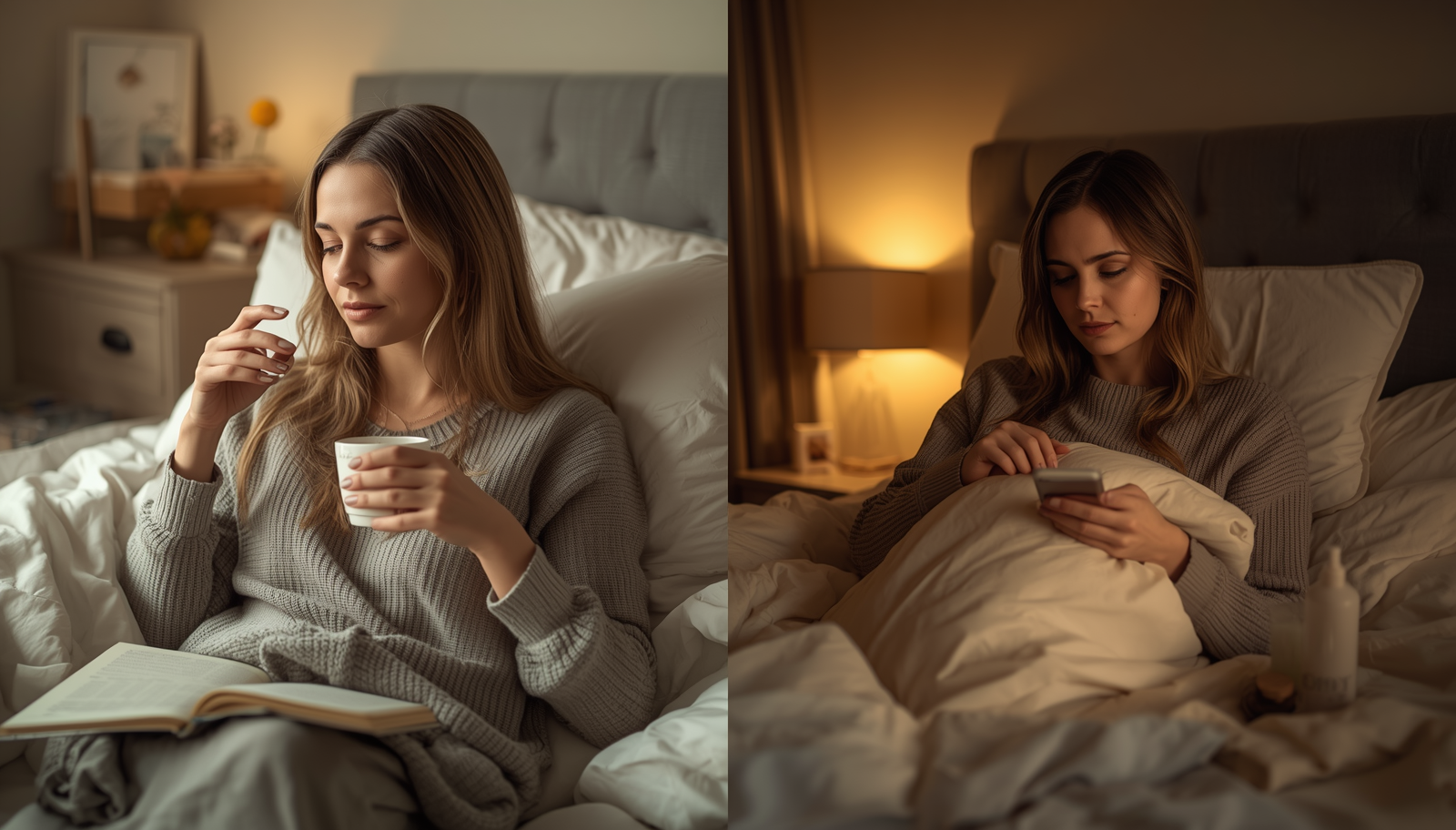
This realistic morning and night routine checklist helps busy women create healthier habits, reduce daily stress, and build a more balanced life without chasing impossible perfection.
The alarm goes off and somehow you already feel behind.
You rush through the morning half-awake, promise yourself you will get organized later, survive the day on caffeine and determination, then collapse into bed at night while scrolling your phone like a tired little goblin. Then the cycle repeats again tomorrow. Beautiful system we created for ourselves 🙂
That used to be my normal routine for years.
As a freelancer, business owner, wife, and mom, I kept treating mornings and nights like random chaotic transitions instead of important parts of my day. Once I built a realistic morning and night routine checklist, everything started feeling less frantic. Not perfect. Just calmer, healthier, and more balanced.
And honestly, balanced feels underrated these days.
People love talking about motivation, but routines quietly do the heavy lifting.
A balanced morning and night routine checklist helps reduce decision fatigue, improve sleep, lower stress, and create more structure during busy seasons of life.
The goal is not becoming one of those ultra-productive people who wake up smiling at 5 AM while drinking celery juice voluntarily.
The goal is creating habits that make daily life feel more manageable.
Takeaway: Consistent routines support balance better than temporary motivation.


My old mornings felt like emergency situations.
I would wake up late, check emails immediately, forget breakfast, and spend the first hour of the day feeling stressed before anything even happened. Very calming lifestyle choice.
Now I protect my mornings more carefully because they affect my entire mood.
Tiny habits create surprisingly noticeable changes.
Morning routines help your brain transition into the day with less mental overload. Predictable habits also reduce unnecessary stress and decision fatigue.
FYI, calmer mornings usually create calmer afternoons too.


I used to wake up exactly seven minutes before responsibilities started.
Every morning felt rushed because technically it was rushed.
Giving yourself even twenty extra minutes creates breathing room before the day gets noisy.
Nothing fancy. Just slower.
Starting the day calmly lowers stress hormones and helps you feel more emotionally steady.
Takeaway: Extra quiet time in the morning creates a calmer mindset for the rest of the day.


Coffee alone is not a personality trait or a balanced breakfast.
I learned this after years of surviving mornings with caffeine and stubbornness while wondering why I felt exhausted by noon.
Now I prioritize simple filling breakfasts.
Nothing complicated required.
Balanced breakfasts support energy, focus, and mood throughout the day.


Balanced living is not only about mornings and nights.
The middle of the day matters too.
I used to power through stress nonstop until bedtime, then wonder why my nervous system felt permanently overwhelmed. Turns out humans are not designed to function like overworked laptops.
Tiny pauses prevent complete mental exhaustion later.
Takeaway: Small calming habits during the day reduce stress buildup by nighttime.


One of the biggest changes I made was learning how to mentally end the workday.
As a business owner and freelancer, work easily spills into every hour of life if you let it.
Now I create a simple evening shutdown routine before bedtime.
Your brain relaxes faster when it knows work is officially done.
Mental boundaries improve stress levels and make nighttime rest feel more restorative.


People overcomplicate routines constantly.
I used to create unrealistic nighttime plans involving journaling, yoga, skincare, reading, meditation, meal prep, and becoming a completely different person overnight. Then I would quit after three days because exhaustion exists.
Simple routines work better because people actually stick to them.
That is enough sometimes.
Predictable nighttime habits help the brain recognize when it is time to relax and sleep.
IMO, consistency matters more than perfection.
Takeaway: Sustainable nighttime habits create better sleep and less stress.


Late-night scrolling feels relaxing until your brain suddenly feels overstimulated at midnight.
I used to lie in bed consuming random internet chaos while telling myself I was unwinding. Meanwhile my sleep quality quietly suffered.
Now I place my phone across the room before bed.
Your nervous system deserves quieter evenings.


Sleep affects everything.
Mood. Energy. Patience. Productivity. Skin. Stress tolerance. Literally everything.
For years I treated sleep like optional background maintenance instead of a basic health priority.
Small adjustments improve sleep quality noticeably.
Good sleep supports physical recovery and emotional balance.
Takeaway: Better sleep improves nearly every part of daily life.
Sometimes routines fail because people expect perfection immediately.
Tiny habits last longer.
Your routine should support your actual lifestyle.
Productivity without recovery eventually leads to burnout.
Balanced routines should reduce stress, not create more of it 🙂
The best routines feel flexible and realistic.
Life changes constantly. Kids get sick. Work gets busy. Energy levels shift. Perfect routines rarely survive real adulthood.
Focus on routines that feel supportive instead of restrictive.
Simple answers usually work best.
A balanced life does not require perfect schedules, expensive wellness products, or hyper-organized routines that look staged for social media.
Most balance comes from ordinary habits repeated consistently. Better sleep. Calmer mornings. Less screen time. Small moments of quiet. Predictable nighttime routines. Tiny pockets of peace inside busy days.
Start small.
Wake up slightly earlier tomorrow. Drink water before checking emails. Wash your face before bed. Put your phone down sooner. Choose one habit that makes life feel calmer and repeat it consistently.
Real balance rarely looks dramatic. It usually looks like feeling a little less overwhelmed, a little more rested, and a little more like yourself again.