Physical Address
304 North Cardinal St.
Dorchester Center, MA 02124
Physical Address
304 North Cardinal St.
Dorchester Center, MA 02124

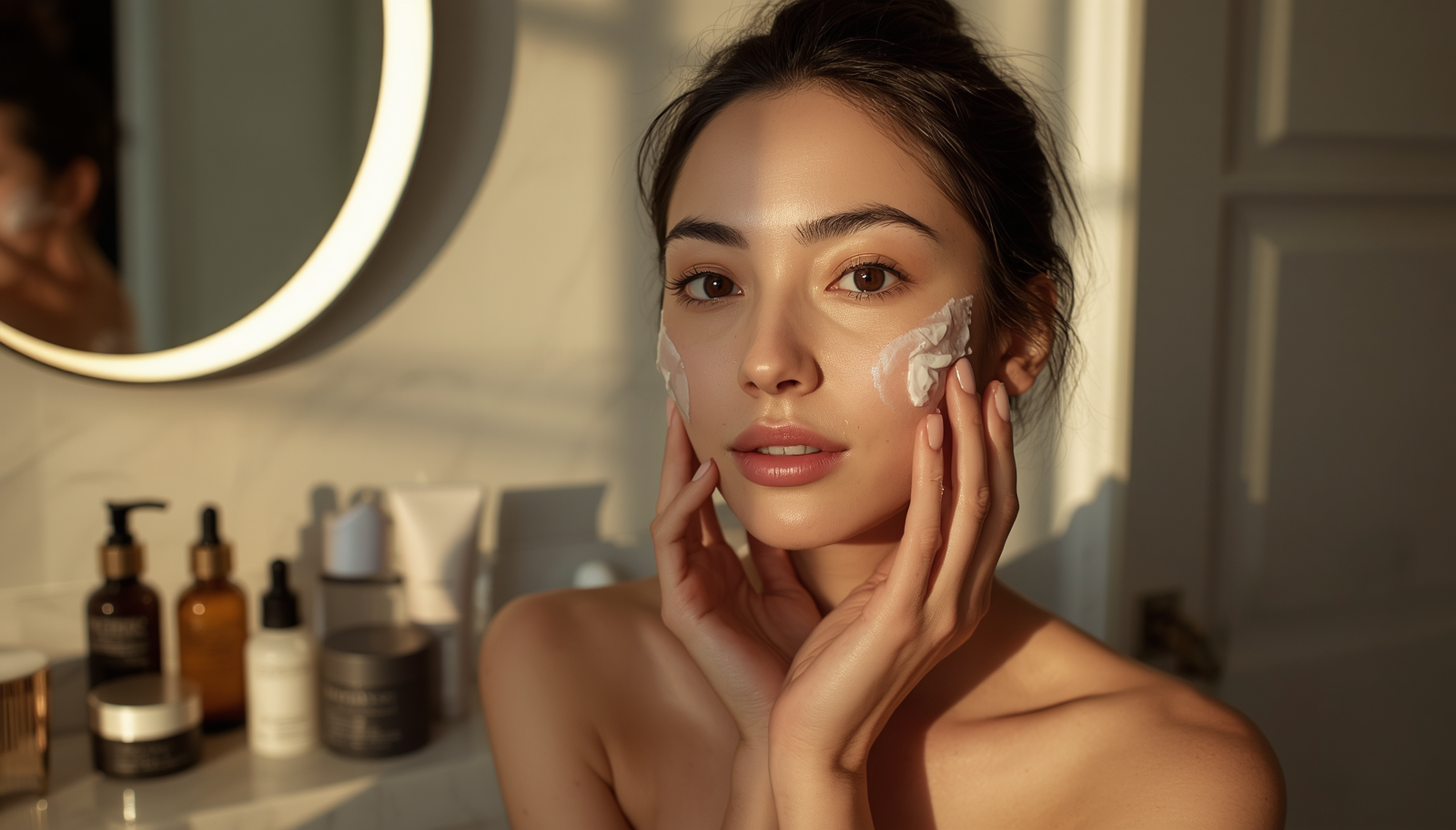
Discover 5 hydrating hacks for building the perfect glass skin routine for dry skin with layered moisture, barrier support, and simple habits that help create a soft healthy glow.
By mid-afternoon, my skin already felt uncomfortable. Foundation clung to dry patches around my nose. My cheeks looked dull no matter how much moisturizer I applied that morning. Then came the worst part. Smiling and feeling the skin around my mouth tighten like old paper.
Dry skin has a special talent for looking tired even when you slept decently and drank water like a responsible adult.
For years, I thought the answer was simply adding thicker creams. More products. More oils. More expensive masks. Meanwhile, my skin still looked thirsty five hours later.
Eventually, I learned something important. A proper glass skin routine for dry skin is not about piling random heavy products onto your face. It is about layering hydration strategically while protecting the skin barrier.
And thankfully, that process feels far less complicated once you stop treating skincare like advanced chemistry homework.


Dry skin naturally lacks moisture and oils that help maintain softness and glow.
That often leads to:
Glass skin requires hydration, smooth texture, and a healthy skin barrier. Dry skin can absolutely achieve that glow, but it usually needs gentler routines and more consistent moisture support.
The good news is dry skin often responds beautifully once it finally gets enough hydration instead of random punishment disguised as skincare.
Healthy dry skin looks plump and reflective when hydration levels improve consistently.
This single habit changed my skin more than several expensive products combined.
Applying hydrating products onto slightly damp skin helps trap water more effectively instead of letting moisture disappear immediately into dry air and emotional disappointment.
Use on damp skin:
Do not wait until your skin feels fully dry after cleansing.
That tiny timing difference matters more than people realize, FYI.
Damp skin helps:
Dry skin loves layered hydration. It just hates being ignored for ten minutes while you scroll your phone after washing your face.


Takeaway: Damp skin holds hydration better than dry skin.
For years, I thought dry skin needed the thickest moisturizer possible.
Turns out, one heavy cream alone often sat on top of my skin while deeper dehydration stayed underneath.
Glass skin routines work well because they layer lightweight hydration gradually.
A simple routine might include:
Thin layers absorb more evenly and create healthier-looking glow without heaviness.
Look for:
Your skin should feel comfortable and soft. Not sticky enough to accidentally collect lint from your sweater 🙂


Dry skin and aggressive exfoliation usually create chaos together.
At one point, I kept exfoliating flaky patches thinking I needed smoother skin. Instead, my face became irritated, red, and somehow even drier. Very productive skincare phase.
Use gentle exfoliants:
Limit exfoliation to:
Sometimes dry skin needs hydration more than exfoliation.
Honestly, most of the time.


Takeaway: Gentle exfoliation smooths dry skin without damaging the barrier.
Nighttime is when dry skin quietly begs for help.
Sleeping masks and facial oils can help lock hydration into the skin overnight so you wake up softer instead of feeling like your face survived a desert expedition.
Look for:
Apply them as the final step of your routine.
Overnight moisture helps:
I notice the biggest difference in my skin whenever I stay consistent with nighttime hydration.
Also whenever I actually sleep enough. Annoying connection, honestly.


Dry skin struggles most when the skin barrier becomes damaged.
A weak barrier allows moisture to escape faster, leaving the skin irritated and dehydrated.
Use:
And yes, sunscreen matters even for dry skin.
Sun damage quietly worsens dehydration and texture over time, IMO.


Takeaway: Strong skin barriers hold moisture more effectively long term.
Small habits matter more than people expect.
Stress especially affects my dry skin fast. One rough week and suddenly my cheeks look exhausted before I even open my laptop.
If you wear makeup:
Dry skin usually looks healthiest with softer, hydrated finishes instead of ultra-matte textures.


Tight squeaky skin is not healthy skin.
Dry skin still needs UV protection daily.
Hydration works best in layers.
Dry skin usually improves gradually through consistency.
Healthy glow comes from moisture balance, not product overload.


A successful glass skin routine for dry skin focuses on hydration, barrier support, and gentle consistent care.
Layered hydration, damp-skin application, careful exfoliation, overnight moisture, and barrier repair all help dry skin look smoother and naturally radiant over time. The process does not need to feel complicated or expensive.
Sometimes dry skin simply wants water, patience, sunscreen, and fewer aggressive skincare experiments happening at midnight.