Physical Address
304 North Cardinal St.
Dorchester Center, MA 02124
Physical Address
304 North Cardinal St.
Dorchester Center, MA 02124


This ultimate guide breaks down 15 full skincare routine steps in a simple, realistic way so you can build healthier skin habits without feeling overwhelmed by complicated beauty trends.
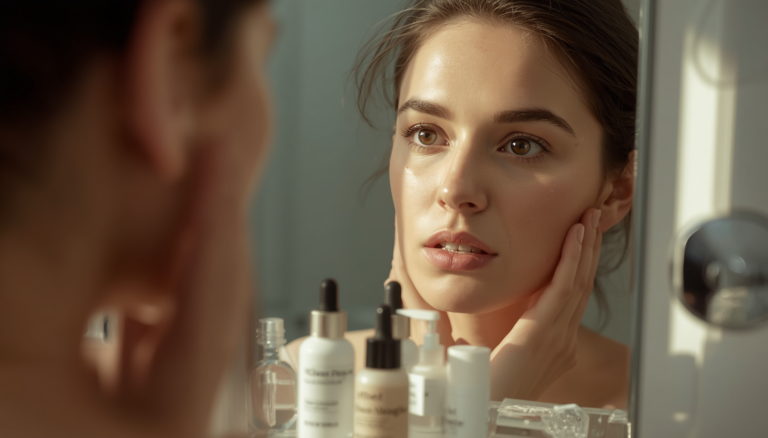
The bathroom counter looked like a tiny skincare store exploded overnight. Bottles everywhere. Serums rolling around. Cotton pads somehow stuck to the sink. And there I was, staring at everything before bed, genuinely wondering why my skin still looked tired after all that effort.
That is the funny thing about skincare. Most of us start with one face wash and somehow end up researching acids at midnight like we are studying for finals. Then comes the confusion. Which step goes first? What actually matters? Why does everyone online suddenly own 14 serums and perfect lighting?
After years of testing products, wasting money, and occasionally irritating my own face for absolutely no reason, I finally figured out a full skincare routine that actually makes sense. Not influencer fantasy skincare. Real-life skincare for busy women who want healthy skin without turning their bathroom into a chemistry lab.
Here is The Ultimate Guide: 15 Full Skincare Routine Steps explained in a simple, realistic way.


If you wear makeup or sunscreen, oil cleansing changes everything.
I used to scrub my face aggressively with regular cleanser and wonder why mascara still haunted my under-eyes the next morning. Oil cleanser melts makeup, sunscreen, and excess oil without making your skin feel raw afterward.
Massage it onto dry skin for about 30 seconds before rinsing.
Takeaway: Oil cleansing removes buildup gently and helps the rest of your skincare work better.


This is the second part of double cleansing. It removes leftover residue and gives your skin a fresh base.
Choose a cleanser based on your skin type:
Your face should feel clean afterward, not painfully tight like you accidentally washed it with dish soap. Been there. Terrible decision FYI.
Takeaway: A gentle cleanser keeps your skin clean without damaging your skin barrier.


Exfoliation helps remove dead skin cells so your skin looks brighter and smoother.
You do not need to exfoliate daily. Seriously. Your skin is not a kitchen floor.
I prefer chemical exfoliants over harsh scrubs because they feel gentler and work better for texture and clogged pores.
Popular options include:
Start slowly. Once or twice a week is enough for most people.
Over-exfoliating can make your skin angry fast. Redness, peeling, and stinging are not personality traits for your face.
Takeaway: Exfoliation works best when you keep it consistent and gentle.


Toners are not mandatory, but they can help hydrate and prep the skin.
A good hydrating toner makes your skin feel softer almost immediately. I used to skip this step because I thought toner was just fancy water. Turns out, my dry patches disagreed.
Look for ingredients like:
Takeaway: Hydrating toners help your skin absorb the next steps more comfortably.


Essences add lightweight hydration and help give skin that healthy glow everyone wants.
Honestly, I thought essences sounded unnecessary for years. Then winter hit and my skin started looking like old paper.
Pat it gently into your skin instead of rubbing aggressively.
Takeaway: An essence boosts hydration without feeling heavy or greasy.

This is where targeted products come in.
Use treatments for concerns like:
Treatments usually contain stronger ingredients, so apply them carefully and avoid layering too many active products together unless you enjoy confusing your skin.
Takeaway: Treatment products should solve a specific problem, not create five new ones.


Serums deliver concentrated ingredients quickly.
Morning serums often focus on brightening and protection. Evening serums usually focus on repair and hydration.
My personal favorite is vitamin C because it makes my skin look less exhausted during stressful weeks. Which, as a business owner and mom, happens often LOL.
Takeaway: A well-chosen serum can improve your skin without adding unnecessary steps.


Masks are more of a bonus step than a daily necessity.
I use sheet masks when my skin looks tired or dehydrated. Clay masks help when my pores feel congested.
Also, sheet masks make me feel productive while sitting still for 15 minutes pretending I have my life together 🙂
Takeaway: Face masks work best as occasional support, not everyday pressure.


Eye cream is optional, but helpful for dryness and puffiness.
Use your ring finger and tap gently. The skin around your eyes is thinner and surprisingly dramatic.
If your regular moisturizer works fine under your eyes, you do not necessarily need a separate product. Your wallet may appreciate that information.
Takeaway: Eye cream can help with hydration, but simple routines still work well.

Moisturizer locks hydration into your skin and helps support the skin barrier.
Skipping moisturizer because your skin feels oily usually backfires. Your skin may produce even more oil trying to compensate.
Use enough product to keep your skin comfortable, not sticky.
Takeaway: Moisturizer keeps your skin balanced and protected throughout the day.


Facial oils help seal in moisture, especially for dry skin.
I mainly use facial oil during colder months when my skin suddenly behaves like it lives in a desert climate.
A few drops are enough. More is not always better unless your goal is accidentally sliding off your pillow.
Takeaway: Facial oils work best as the final hydration boost for dry or dehydrated skin.

Spot treatments help reduce active breakouts faster.
Apply them directly onto blemishes after lighter products but before heavy creams or oils.
Pimple patches are honestly one of my favorite skincare inventions. Tiny stickers doing emotional support work overnight.
Takeaway: Spot treatments work best when applied carefully and consistently.


Retinol helps with texture, fine lines, and acne over time.
Start slowly. Really slowly.
I made the mistake of using retinol too often in the beginning because I got impatient. My skin peeled like I had personally offended it. Not cute.
Use retinol:
Takeaway: Retinol rewards patience, not aggression.


Dry lips can ruin an otherwise good skincare day.
Use lip balm consistently, especially before bed. Thick lip masks work well overnight if your lips get cracked easily.
Simple step. Huge difference.
Takeaway: Lip care keeps your skin routine feeling complete and comfortable.

Sunscreen protects all the effort you put into your skincare routine.
Without sunscreen, treatments for dark spots, aging, and texture become much less effective.
Choose:
Honestly, sunscreen matters more than half the expensive products people panic-buy online.
Takeaway: Daily sunscreen is the most important step in any skincare routine.
Here is the easiest way to remember skincare order:
Apply products from thinnest texture to thickest texture. Your skin absorbs lightweight products more easily that way.
Also, you do not need every single step every day. Some nights, my routine is five steps. Other nights, I fully commit and suddenly act like a skincare chemist before bed.
Takeaway: Good skincare routines stay flexible and realistic.
Building a full skincare routine should feel helpful, not exhausting.
You do not need perfect skin. You do not need 40 products. And you definitely do not need to panic every time someone online claims a new serum changed their life overnight.
Start with the basics. Add products slowly. Pay attention to how your skin reacts.
Because honestly, healthy skin usually comes from consistency, patience, sunscreen, and drinking enough water. The boring advice wins again.