Physical Address
304 North Cardinal St.
Dorchester Center, MA 02124
Physical Address
304 North Cardinal St.
Dorchester Center, MA 02124

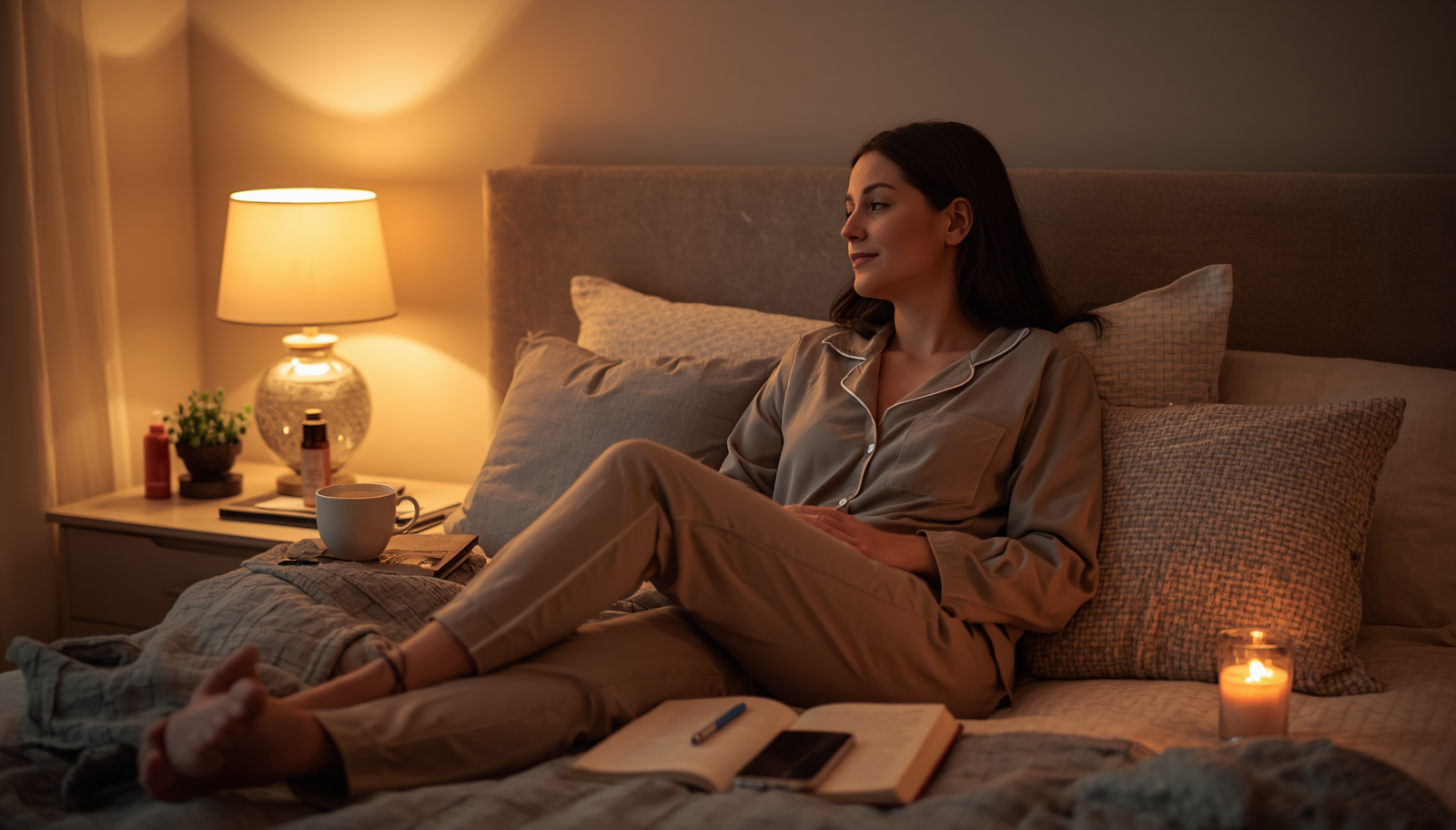
These 12 relaxing self care night routine ideas can help you reduce stress, sleep better, and turn chaotic evenings into calmer, more comforting moments at home.
The house finally goes quiet and somehow that is when your brain gets louder.
You sit on the couch staring at your phone, completely drained but not actually relaxing. The dishes still wait in the sink. Your shoulders feel tight. Your mind jumps between tomorrow’s deadlines, your kid’s school schedule, and whether you remembered to move the laundry into the dryer. Very peaceful evening energy.
For years, my nights looked exactly like that. I thought self care meant expensive spa products or elaborate routines that took two hours. Turns out, most of us just need simple habits that help our brains slow down before bed.
These relaxing ideas for your self care night routine checklist helped me sleep better, feel calmer, and stop ending every day feeling mentally overloaded.
People usually focus on fixing their mornings while completely ignoring their evenings.
But your nighttime habits affect everything. Your mood, sleep, patience, energy, and even how much coffee you desperately need the next morning all connect back to your evening routine.
A good self care night routine checklist helps you:
The goal is not perfection. The goal is feeling like a human instead of an exhausted raccoon searching for snacks at midnight.
Takeaway: Relaxing evenings create healthier mornings.


A warm shower instantly changes my mood after a long day.
Something about washing off makeup, sunscreen, stress, and general life irritation feels mentally refreshing too. I used to rush through showers because I treated them like another task. Now I slow down and actually enjoy the quiet for ten minutes.
Honestly, sometimes the shower becomes the only place nobody asks me questions all day 🙂


Bright overhead lights at night feel weirdly aggressive.
Once I started dimming the lights in the evening, my body relaxed faster. Soft lighting creates a calmer atmosphere almost immediately.
You do not need a luxury spa setup. A small lamp or candle works perfectly.
Tiny environmental changes affect your mood more than people realize.
Takeaway: Softer lighting helps your brain prepare for rest.


Scrolling your phone feels relaxing until you realize forty minutes disappeared and now your brain feels overstimulated.
I used to watch random videos late at night while convincing myself I was unwinding. Meanwhile my brain stayed fully alert because social media never actually lets people relax.
Now I put my phone across the room about thirty minutes before sleep.
FYI, your brain probably does not need one more video about celebrity skincare routines before bed.


Nighttime skincare became one of my favorite parts of my self care night routine checklist because it forces me to slow down.
I used to buy complicated products that promised magical overnight transformations. Most of them just confused my skin and wasted money.
Now I keep things simple.
That is enough most nights.
Takeaway: Consistent simple routines work better than complicated ones.


There is something comforting about holding a warm mug at night.
It feels grounding after a busy day filled with noise, notifications, and constant multitasking. Plus, herbal tea gives your brain a little signal that the day is slowing down.
My favorite nighttime drinks include:
Avoid caffeine unless your goal is staring at the ceiling while mentally replaying awkward conversations from 2018.


Messy bedrooms make my brain feel noisy.
I do not deep clean every evening because absolutely not. But spending five to ten minutes resetting the room makes a huge difference.
Walking into a cleaner room instantly feels calmer.
Takeaway: Small cleanup habits create a more peaceful environment.


My brain loves reminding me about unfinished tasks right when I am trying to sleep.
Writing things down helps stop that mental chaos. Once my thoughts exist on paper, my brain relaxes because it no longer tries to remember everything overnight.
This habit reduced my nighttime anxiety more than I expected.


Sitting at a desk all day quietly destroys your shoulders and lower back.
A few gentle stretches at night help release physical tension from the day. You do not need a full workout or complicated yoga routine.
Even simple stretches help:
My body sleeps noticeably better when I stop pretending posture problems will magically disappear on their own.


Reading helps my brain slow down in a way screens never do.
I avoid stressful books at night because thrillers somehow convince me every strange noise in the house deserves investigation. Not ideal before bedtime.
Light fiction, personal development books, or comforting essays work best for me.
Even ten pages helps shift your brain away from daily stress.
Takeaway: Calm reading creates a smoother transition into sleep.


Silence feels relaxing sometimes. Other nights my brain fills that silence with unnecessary overthinking.
Soft music or calming background sounds help create a peaceful atmosphere before bed. Rain sounds work especially well for me.
Some relaxing audio ideas:
IMO, calming audio works better than falling asleep to loud crime documentaries.


As a mom and business owner, alone time feels weirdly rare.
Even five quiet minutes at night helps me mentally reset before bed. No notifications. No multitasking. No answering random questions about where someone left their socks.
Sometimes I just sit quietly with tea and breathe for a few minutes. That alone feels restorative.


This habit sounds boring because everyone already knows it. Still, consistent sleep schedules genuinely matter.
I used to sleep at random hours depending on work, stress, or late-night scrolling habits. My energy levels felt chaotic all the time.
Now I aim for a more regular bedtime most nights. Not perfect. Just consistent enough to help my body settle into a rhythm.
Takeaway: Consistent sleep habits improve everything else.
Most people quit nighttime routines because they try doing too much at once.
One evening they suddenly attempt journaling, stretching, meditation, skincare, reading, tea-making, and digital detox all together. Then life gets busy and the routine disappears completely.
Start smaller.
Choose two or three relaxing habits from this list first. Once they feel natural, add more slowly.
Some evenings will feel calm and organized. Other nights everything feels messy and exhausting. That is normal.
A short realistic routine works better than an elaborate routine you never follow.
Soft lighting, clean bedding, and relaxing sounds genuinely help create better evenings.
A good self care night routine checklist is not about becoming perfect. It is about giving yourself small moments of calm before sleep.
Most of these habits take very little time. Yet together they completely change how your evenings feel.
Start with one small change tonight. Put your phone away earlier. Make tea. Wash your face slowly instead of rushing through it. Sit quietly for five minutes without multitasking.
Tiny relaxing habits seem simple, but they quietly improve your entire day from the moment you wake up.