Physical Address
304 North Cardinal St.
Dorchester Center, MA 02124
Physical Address
304 North Cardinal St.
Dorchester Center, MA 02124

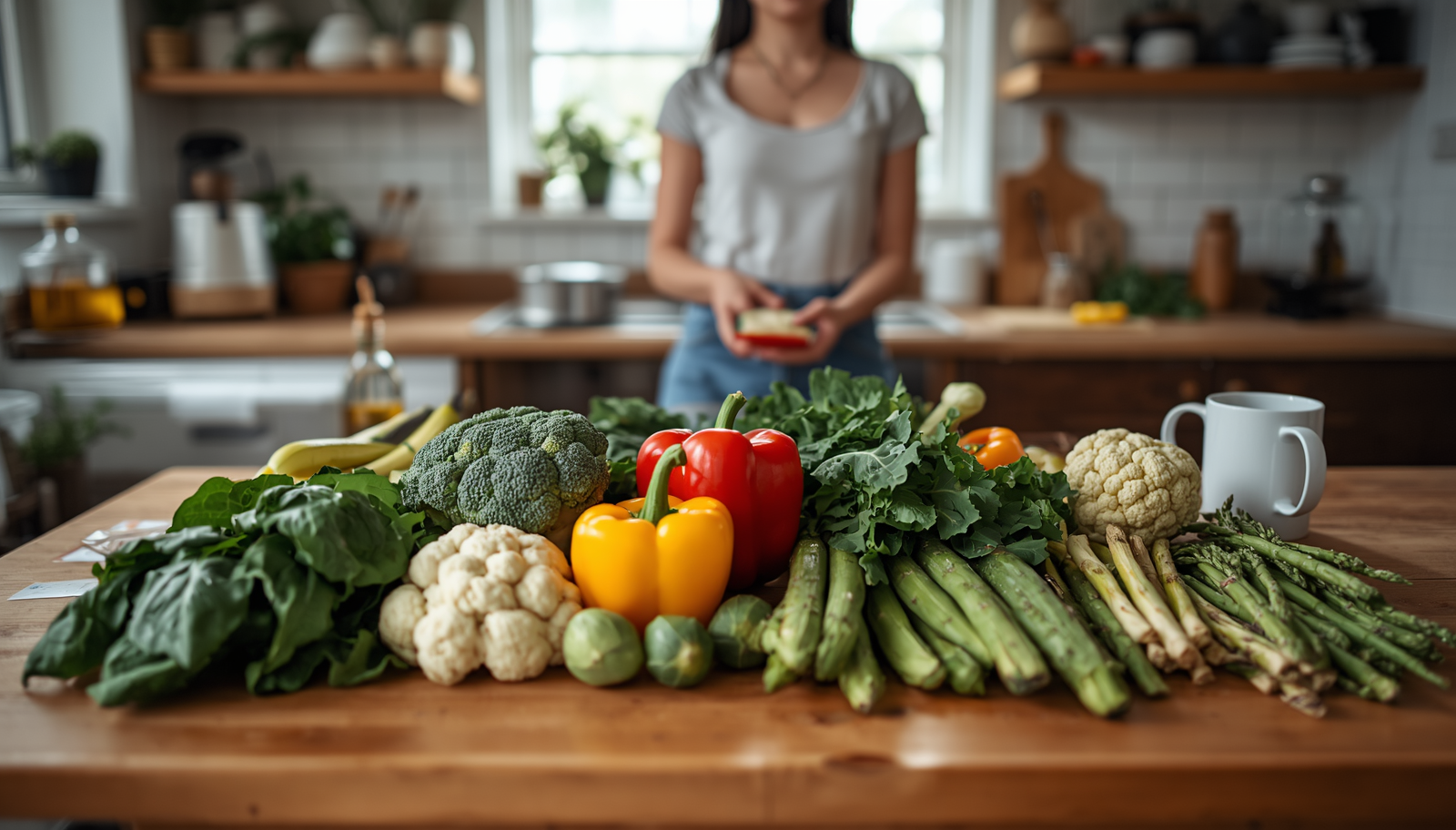
These 10 best low glycemic index vegetables help create balanced nutrient-dense meals that support steadier energy, better fullness, and realistic healthy eating without complicated food rules.
The grocery cart looked healthy enough on paper. Crackers labeled whole grain. Granola bars pretending to contain actual nutrition. A bag of spinach slowly dying in the corner because apparently I thought I had the energy to become a salad person overnight.
By mid-afternoon, I still felt exhausted and hungry again.
That was the frustrating part. I thought I was eating reasonably well. But most of my meals lacked enough fiber, protein, and low glycemic vegetables to actually keep me full and energized.
Once I started adding more low glycemic index vegetables into everyday meals, things shifted fast. My energy felt steadier, cravings chilled out, and meals became more satisfying without needing dramatic diet rules.
The good news is you do not need complicated recipes or expensive wellness trends. Simple vegetables can do a lot of heavy lifting when it comes to balanced nutrition.
Here are the 10 best low glycemic index foods vegetables that deserve permanent space in your kitchen.
Low glycemic vegetables digest more slowly and typically contain fiber that helps support balanced blood sugar levels.
That slower digestion may help with:
Many vegetables also contain vitamins, antioxidants, and nutrients that support overall health.
IMO, the biggest win is simply feeling functional after lunch instead of needing caffeine and emotional support snacks immediately afterward.
Takeaway: Low glycemic vegetables help create more balanced and satisfying meals.


Spinach became significantly more useful once I stopped forcing myself to eat giant sad salads.
It works beautifully in smoothies, eggs, soups, pasta dishes, and grain bowls.
FYI, buying pre-washed spinach increases the odds of actually eating it dramatically 🙂
Takeaway: Spinach makes balanced meals easier without requiring complicated cooking.


Broccoli deserves more respect than it gets.
Roasted broccoli especially tastes completely different from the steamed versions many of us suffered through as kids.
Crispy roasted broccoli with garlic feels suspiciously addictive for a vegetable.
Takeaway: Broccoli helps meals feel filling and nutrient-dense.


Cauliflower somehow became the unofficial mascot of healthy eating for a while. Slightly dramatic honestly, but it is genuinely useful.
Its mild flavor makes it easy to use in many meals.
Roasting cauliflower with olive oil and spices makes it far more exciting than plain steaming ever could.
Takeaway: Cauliflower works well in balanced low glycemic meals.


Zucchini became one of my favorite easy vegetables because it cooks quickly and works with almost everything.
It also absorbs flavor beautifully, which helps when healthy eating starts feeling repetitive.
Zucchini noodles are fine, although I still emotionally consider them vegetables pretending to be pasta.
Takeaway: Zucchini makes quick balanced meals easier during busy weeks.


Bell peppers instantly make meals look healthier and slightly more organized.
They add crunch, color, and nutrients without much effort.
Pre-sliced peppers dramatically improve my chances of reaching for vegetables instead of crackers.
Takeaway: Bell peppers help make balanced meals more colorful and practical.


Kale had a very aggressive wellness marketing campaign for years, but honestly, it earned some of the hype.
It contains fiber and nutrients that support balanced nutrition.
Massaging kale with olive oil softens the texture and makes salads significantly less miserable.
Takeaway: Kale supports balanced meals and better nutrition.


Green beans feel underrated compared to trendier vegetables.
They are easy to cook, affordable, and pair well with almost every dinner.
Garlic and olive oil improve nearly every vegetable situation.
Takeaway: Green beans create simple balanced side dishes with minimal effort.


Brussels sprouts transformed completely once roasting entered the picture.
Crispy roasted edges solve a lot of childhood vegetable trauma.
Honestly, roasted Brussels sprouts feel weirdly fancy for such a humble vegetable.
Takeaway: Brussels sprouts help create satisfying nutrient-dense meals.


Cucumbers bring refreshing crunch without heavy calories or sugar.
They also make quick snacks feel slightly more intentional.
Adding cucumbers to lunches helps meals feel fresher and more balanced.
Takeaway: Cucumbers create refreshing low glycemic snacks and sides.


Asparagus feels slightly more sophisticated than my usual weeknight meals, which honestly helps motivation sometimes.
It cooks quickly and pairs beautifully with proteins like salmon or eggs.
Roast asparagus with olive oil, garlic, and lemon for a fast balanced side dish.
Takeaway: Asparagus supports balanced meals with very little prep work.
Healthy eating becomes much easier when vegetables feel convenient instead of complicated.
Try combining:
Tiny habits usually work better than dramatic healthy eating overhauls.
Takeaway: Simpler routines make balanced eating easier to maintain long term.
The best low glycemic index foods vegetables help create meals that feel satisfying, balanced, and realistic for everyday life.
You do not need perfect healthy eating habits to benefit from adding more vegetables into your routine. Small consistent choices matter far more than perfection.
Start with one or two vegetables you genuinely enjoy and build from there. Healthy eating gets much easier when meals actually taste good.
And honestly, any vegetable that prevents desperate pantry snacking deserves serious respect.