Physical Address
304 North Cardinal St.
Dorchester Center, MA 02124
Physical Address
304 North Cardinal St.
Dorchester Center, MA 02124

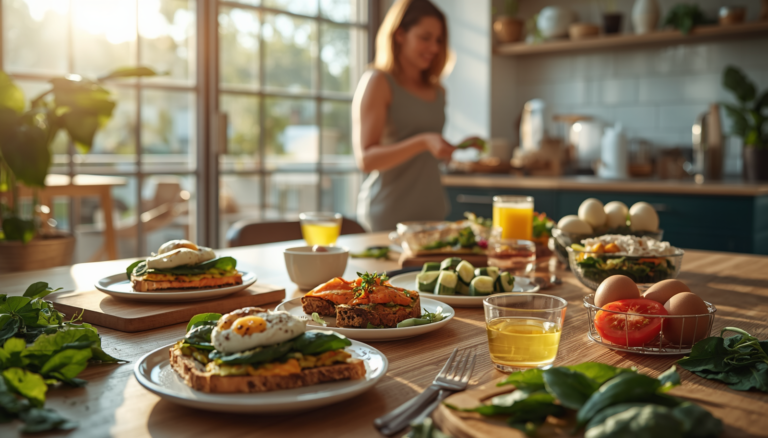
Discover 9 must-have low glycemic load foods that help support steady energy, fewer cravings, and satisfying meals without giving up comforting everyday favorites.
The snack drawer got hit again around 3 p.m. One handful of crackers turned into cookies, then coffee, then standing in the kitchen wondering why I still felt tired after eating all afternoon.
That cycle gets exhausting fast.
I used to think eating healthy meant cutting carbs, avoiding every comfort food, and pretending plain lettuce could somehow fix my energy levels. Turns out, the real game changer was learning about low glycemic load foods.
Once I started building meals around foods that digested more slowly, everything felt steadier. Fewer cravings. Less crashing. Way less random pantry scavenging while answering emails with one eye open.
If you want balanced meals that actually taste good and keep you full longer, these are the must-have foods worth adding to your routine.
People often talk about the glycemic index, but glycemic load gives a more realistic picture.
The glycemic load looks at:
That combination matters because some foods technically have a higher glycemic index but still create a lower overall blood sugar impact when eaten in normal portions.
Low glycemic load foods help support:
IMO, the biggest win is simply feeling less ruled by snacks all day.


Steel-cut oats became my breakfast upgrade after I realized sugary cereal left me hungry before noon. Honestly, some cereals are basically dessert wearing activewear.
Steel-cut oats digest more slowly than instant oats because they stay less processed. That slower digestion helps support stable energy throughout the morning.
My daughter calls oatmeal boring unless chocolate chips appear somewhere nearby, so we compromise with fruit and peanut butter most mornings.
Takeaway: Steel-cut oats create a more satisfying breakfast without the energy crash.


Lentils deserve more attention. They are affordable, filling, packed with nutrients, and somehow still less trendy than protein bars that taste like drywall.
Lentils contain both fiber and protein, which helps slow digestion and stabilize hunger levels.
Fiber helps slow carbohydrate absorption, which means fewer dramatic energy spikes and crashes later.
FYI, lentils also stretch grocery budgets beautifully 🙂
Takeaway: Lentils combine comfort, nutrition, and steady energy in one cheap pantry staple.


Greek yogurt became my emergency breakfast during chaotic school mornings. Some days feel less like parenting and more like managing a tiny unpredictable startup company.
Plain Greek yogurt works especially well because it contains protein and fewer carbs than heavily sweetened yogurt options.
Choose plain versions whenever possible. Many flavored yogurts contain enough sugar to qualify as dessert.
Takeaway: Greek yogurt delivers protein and convenience without the sugar overload.


Chickpeas quietly became one of my favorite snack foods after I started roasting them at home.
They contain fiber and protein that help meals feel more satisfying and balanced.
Roast chickpeas with olive oil, garlic powder, and smoked paprika until crispy.
They will not magically replace chips forever. But they definitely help when the salty snack cravings hit around mid-afternoon.
Takeaway: Chickpeas make healthy eating feel practical instead of restrictive.


Berries taste sweet without causing the same sugar rush as many processed snacks.
They contain fiber, antioxidants, and fewer sugars than many tropical fruits.
I keep frozen berries in the freezer constantly because fresh berries seem emotionally unstable and expire immediately.
Takeaway: Berries help satisfy sweet cravings while supporting steadier energy.


Avocados somehow make every meal feel more complete.
They contain healthy fats and fiber, which helps slow digestion and improve fullness.
For years I thought avocado toast was just internet food photography nonsense. Annoyingly, it actually tastes great.
Takeaway: Avocados help meals feel satisfying without heavy processed ingredients.


Eggs remain one of the easiest protein options for busy days.
Since eggs contain very few carbs, they have minimal impact on blood sugar levels while still helping support fullness.
My daughter currently rates breakfasts based entirely on whether eggs appear beside toast. Fair enough.
Takeaway: Eggs support balanced meals without requiring complicated prep.


Quinoa earned permanent meal prep status in my kitchen because it works with almost everything.
Unlike refined grains, quinoa contains fiber and protein that help meals feel more balanced and filling.
Quinoa stores well in the fridge, which makes weekday lunches dramatically easier.
Takeaway: Quinoa adds lasting energy and flexibility to simple meals.


Salmon feels like one of those foods people recommend constantly for a reason. It genuinely works.
It provides protein and healthy omega-3 fats that help support fullness and balanced meals.
Serve salmon with roasted sweet potatoes and greens for a balanced low glycemic load dinner.
Some nights I still want takeout instead of cooking salmon. That is called being human, not failure :/
Takeaway: Salmon helps create balanced meals that keep you satisfied longer.
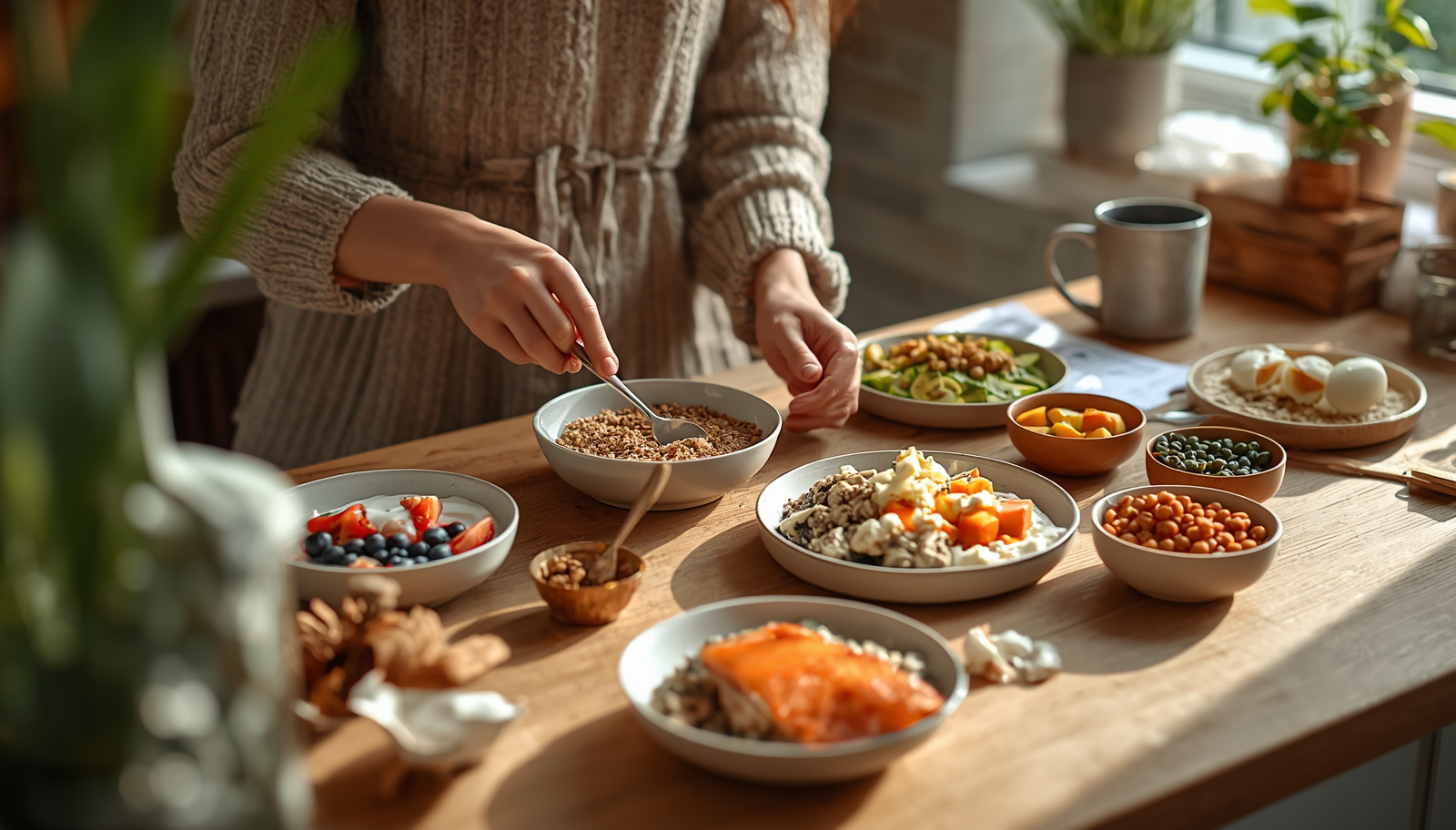
Learning individual foods helps. Combining them strategically matters even more.
Aim for:
Once I stopped building meals around fast carbs alone, my afternoon crashes improved dramatically.
Try limiting:
Nobody needs perfect eating. But balancing these foods with protein and fiber helps a lot.
Takeaway: Balanced meals matter more than strict food rules.
The best part about low glycemic load eating is that it feels realistic.
You can still enjoy comforting meals, flavorful snacks, and satisfying foods without constantly battling energy crashes afterward.
Start simple. Add one or two foods from this list into your weekly meals and notice how your body responds. Small changes usually stick longer than dramatic kitchen overhauls anyway.
And honestly, any eating style that reduces random pantry wandering deserves serious respect.