Physical Address
304 North Cardinal St.
Dorchester Center, MA 02124
Physical Address
304 North Cardinal St.
Dorchester Center, MA 02124

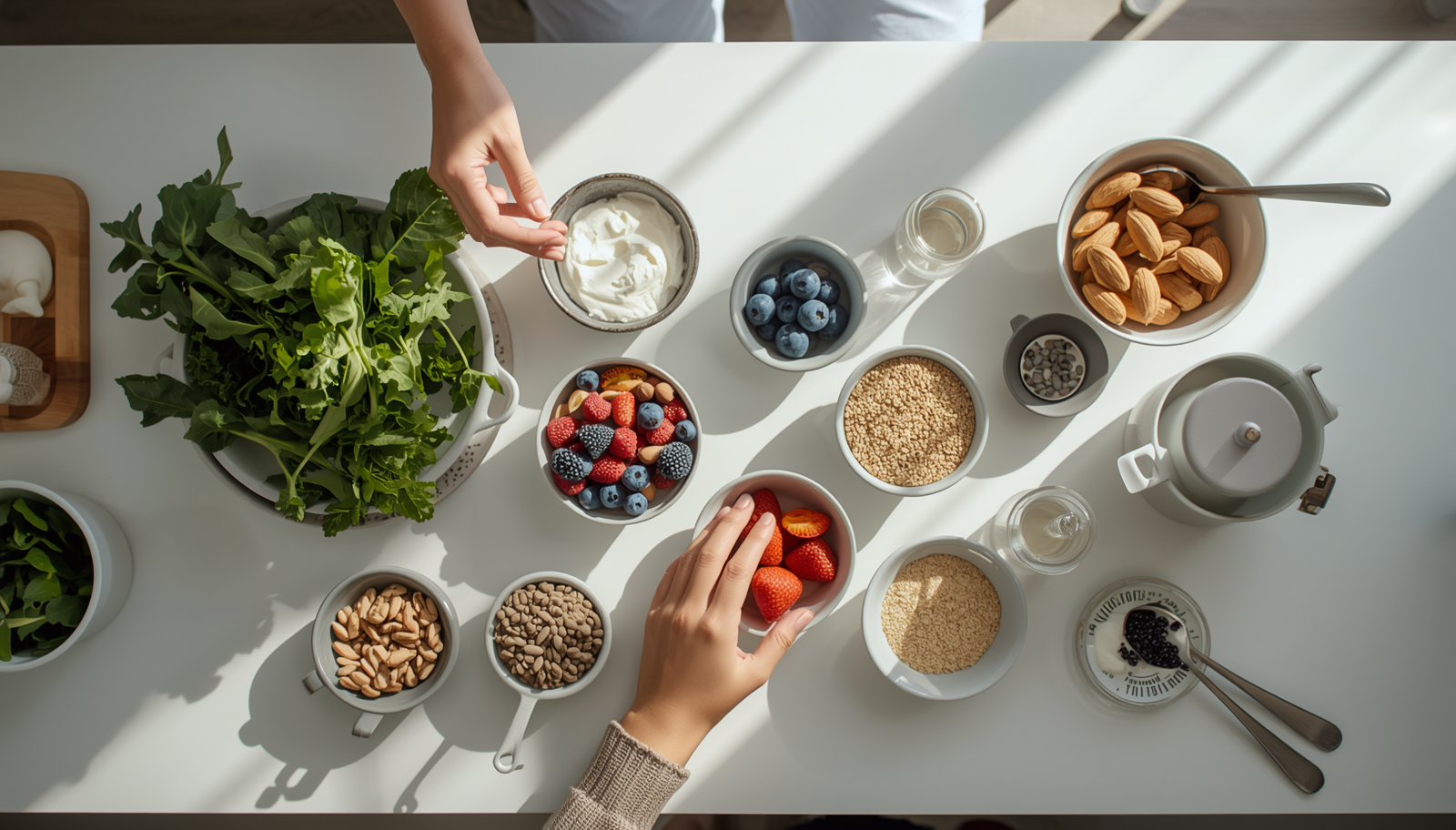
A practical, easy-to-follow guide to 12 essential low glycemic foods that support steady blood sugar and everyday energy for diabetics and pre-diabetics.
It usually starts with something small. You finish a meal that felt normal, maybe even healthy, and then a couple of hours later your energy drops out of nowhere. You reach for something quick because your body feels like it is asking for fuel again.
That cycle can feel frustrating, especially when you are trying to be careful with food choices.
I have seen how easily this pattern shows up in daily life, especially when meals are rushed or unplanned. One minute you are fine, the next you are hunting for something to bring your energy back up.
For diabetics and pre-diabetics, this is not just about comfort. It is about stability and long term health.
That is where low glycemic foods become a practical tool, not a trend.
If you are trying to manage blood sugar more consistently, this list will give you a simple place to start.
Low glycemic foods digest slowly and release glucose gradually into the bloodstream.
This helps avoid sharp spikes and sudden crashes.
It is not about restriction. It is about predictability.
Takeaway: Low glycemic foods help maintain stable blood sugar instead of sharp spikes and drops.


Lentils are one of the most reliable low glycemic foods.
They are rich in fiber and plant protein.
They keep meals filling without spiking blood sugar.
Takeaway: Lentils support steady blood sugar through slow digestion and fiber.


Chickpeas are versatile and very blood sugar friendly.
They work well in both meals and snacks.
IMO, roasted chickpeas are an easy snack swap that actually works.
Takeaway: Chickpeas help reduce glucose spikes after meals.


Oats are a classic low GI breakfast option.
They help control morning blood sugar levels.
Starting the day with oats often reduces mid morning cravings.
Takeaway: Oats help stabilize blood sugar early in the day.


Quinoa is a nutrient dense alternative to refined grains.
It digests slowly and supports stable energy.
It works well as a base for balanced meals.
Takeaway: Quinoa provides steady energy without rapid glucose spikes.


Apples are simple but effective for blood sugar support.
They contain fiber that slows sugar absorption.
They are a better option than processed sweet snacks.
Takeaway: Apples offer controlled sweetness without sharp blood sugar spikes.


Berries are one of the best fruits for glycemic control.
They are naturally low in sugar compared to many other fruits.
They feel like a treat without the metabolic impact.
Takeaway: Berries provide sweetness with minimal blood sugar disruption.


Greek yogurt is high in protein and very filling.
It slows digestion and helps balance meals.
It works best when paired with nuts or berries.
Takeaway: Greek yogurt helps stabilize blood sugar through protein and satiety.


Sweet potatoes are complex carbohydrates with a gentle impact on blood sugar.
They are naturally sweet but still balanced.
They are a great replacement for refined starches.
Takeaway: Sweet potatoes provide slow and steady glucose release.


Nuts are small but powerful for blood sugar balance.
They are rich in healthy fats and protein.
A small portion can prevent unnecessary snacking.
Takeaway: Nuts help reduce blood sugar fluctuations between meals.


Leafy greens are extremely low glycemic and nutrient dense.
They are essential for overall metabolic health.
They should be part of daily meals whenever possible.
Takeaway: Leafy greens support blood sugar stability and overall health.


Eggs are a zero carb, high protein food.
They help control hunger and stabilize meals.
They are one of the simplest stabilizing foods available.
Takeaway: Eggs help maintain stable energy without affecting glucose levels.


Barley is one of the most underrated low glycemic grains.
It has a strong fiber profile.
It is an excellent rice or pasta alternative.
Takeaway: Barley supports long lasting blood sugar stability.
Managing blood sugar is not about extreme changes. It is about consistency in everyday choices.
Low glycemic foods make that easier by reducing the sharp ups and downs that lead to fatigue and cravings.
Start with a few swaps. Replace refined carbs with whole grains. Add more fiber rich foods. Keep meals simple and balanced.
Over time, these small changes can make daily energy and blood sugar levels feel far more stable and predictable.