Physical Address
304 North Cardinal St.
Dorchester Center, MA 02124
Physical Address
304 North Cardinal St.
Dorchester Center, MA 02124

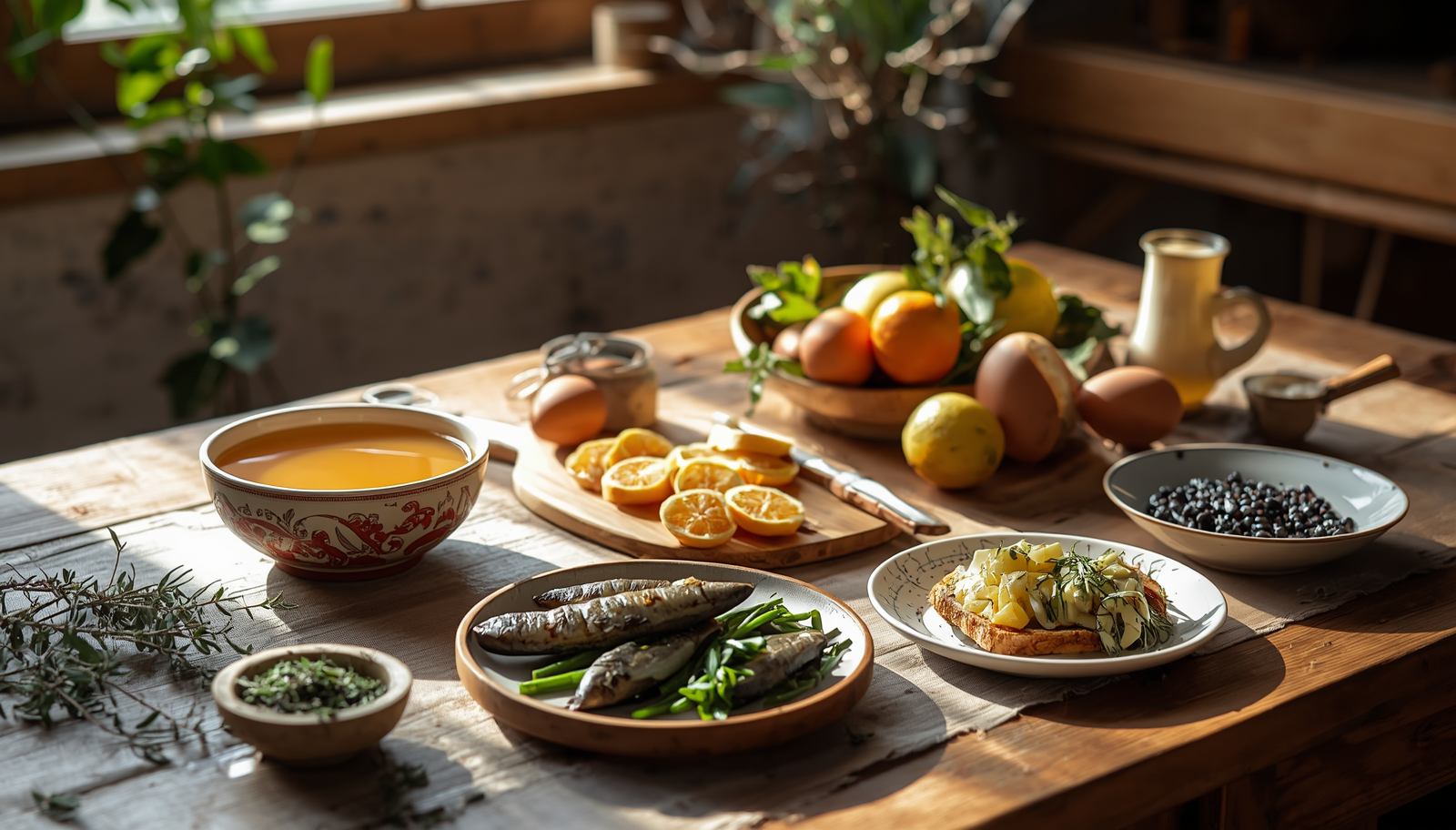
These ancient natural collagen boosting foods have supported healthier skin and better aging for generations using simple, nutrient-rich ingredients that still work beautifully today.
The expensive skincare cream sat on my bathroom counter while my skin still looked tired, dry, and mildly annoyed with me. Meanwhile my grandmother somehow had softer skin at seventy using basic food, cold cream, and what looked like zero stress about trends.
That honestly humbled me a little.
At some point, I started realizing many traditional cultures already used natural collagen-supportive foods long before wellness influencers started turning everything into powder packets. People were sipping broths, eating fermented foods, and using nutrient-rich ingredients because they worked. Not because they looked pretty on social media :).
If you want simple and realistic ways to support healthier skin, these are the ancient natural collagen boosting foods used for centuries that still deserve attention today.

Collagen is the protein that helps keep skin firm, smooth, and elastic. Your body naturally produces collagen, but production slows over time due to aging, stress, poor sleep, sugar, and general life chaos.
Ancient diets often included whole foods naturally rich in collagen-supportive nutrients like:
The funny thing is that many traditional diets accidentally did a better job supporting skin health than modern convenience foods.
A food may help collagen production if it:
Takeaway: Many traditional foods naturally support collagen production without requiring expensive supplements or complicated wellness routines.

Bone broth might look trendy now, but people have been making it for centuries across cultures worldwide.
Grandmothers everywhere basically invented collagen broth long before anyone called it wellness.
Traditional bone broth comes from simmering bones and connective tissues slowly over time. This process releases collagen-related compounds like gelatin, glycine, and proline into the broth.
I started making bone broth during colder months because my skin felt painfully dry and my joints constantly felt stiff after long workdays. It ended up becoming one of those comforting habits I actually stuck with.
Store-bought bone broth works perfectly fine too, FYI. Some days survival cooking wins.
Takeaway: Bone broth remains one of the oldest and most natural collagen boosting foods for skin and joint support.

Traditional Asian diets often included fermented soy foods like miso, tempeh, and natto.
These foods contain nutrients, antioxidants, and plant compounds that may help support skin health and aging. Fermentation also helps improve digestion and nutrient absorption.
I tried miso soup during a stressful work week after surviving on coffee and convenience snacks. My body practically reacted like someone finally remembered vegetables existed.
Natto still scares me slightly texture-wise, but miso soup feels cozy enough to make up for it.
Takeaway: Fermented soy foods support skin health through antioxidants and gut-friendly nutrients linked to healthier aging.

Sardines do not get glamorous marketing campaigns. Honestly, they probably never will.
But traditional Mediterranean diets used small oily fish like sardines regularly because they were affordable, nutritious, and packed with healthy fats.
Sardines contain protein, omega-3 fatty acids, calcium, and nutrients that help support skin structure and hydration.
I know sardines sound intimidating at first. But once you stop expecting them to taste fancy, they become surprisingly practical.
Takeaway: Sardines provide traditional nutrient-dense support for healthier skin and collagen production.

People used citrus fruits medicinally for centuries before vitamin C was even identified scientifically.
Traditional diets valued oranges, lemons, and other citrus fruits because they helped people stay healthier overall. Turns out vitamin C also plays a huge role in collagen production.
Without enough vitamin C, your body struggles to produce collagen efficiently.
My daughter tears through mandarins like a tiny fruit tornado, which honestly makes healthy snacking easier in our house.
Takeaway: Citrus fruits remain one of the most effective natural foods for supporting collagen production.
Eggs have been a dietary staple in cultures around the world for generations.
They contain protein and amino acids your body uses for collagen production. Egg yolks also provide nutrients that support healthier skin and hair.
For years, trendy diets convinced people to fear eggs. Then suddenly everyone remembered eggs are actually nutritious and affordable. Funny how nutrition advice changes every five minutes.
Eggs honestly save dinner at least once a week in my house.
Takeaway: Eggs remain one of the simplest and most affordable collagen-supportive foods used across generations.
Traditional diets usually focused on whole foods naturally rich in nutrients. They also relied less on ultra-processed foods and excessive sugar.
That matters because too much sugar may damage collagen over time through a process called glycation. Basically your collagen gets stressed out and less flexible.
Relatable, honestly.
I notice my skin looks noticeably healthier whenever I eat simpler meals consistently instead of surviving on convenience food for weeks.
Takeaway: Traditional eating habits often supported healthier skin naturally through nutrient-rich whole foods.
Nobody realistically has time to cook like a nineteenth-century grandmother every day.
But adding small traditional habits into modern routines actually feels manageable.
The goal is consistency, not perfection.
The biggest difference came from eating more nutrient-rich foods regularly instead of obsessing over expensive skincare products.
My skin still gets tired during stressful weeks because I am human. But it looks healthier overall when I focus on sleep, hydration, protein, and whole foods together.
Takeaway: Small traditional food habits can support healthier skin without turning your life into a wellness competition.
Healthy skin does not always come from complicated routines or expensive products lined up across your bathroom counter.
Many of the best ancient natural collagen boosting foods used for centuries are simple everyday foods people have relied on for generations. Bone broth, fermented soy foods, sardines, citrus fruits, and eggs all provide nutrients that help support collagen production and healthier skin over time.
No single food creates perfect skin overnight. Honestly, nothing does.
But eating more nutrient-rich traditional foods consistently can help your skin look stronger, healthier, and less exhausted while life continues doing its chaotic little thing.