Physical Address
304 North Cardinal St.
Dorchester Center, MA 02124
Physical Address
304 North Cardinal St.
Dorchester Center, MA 02124

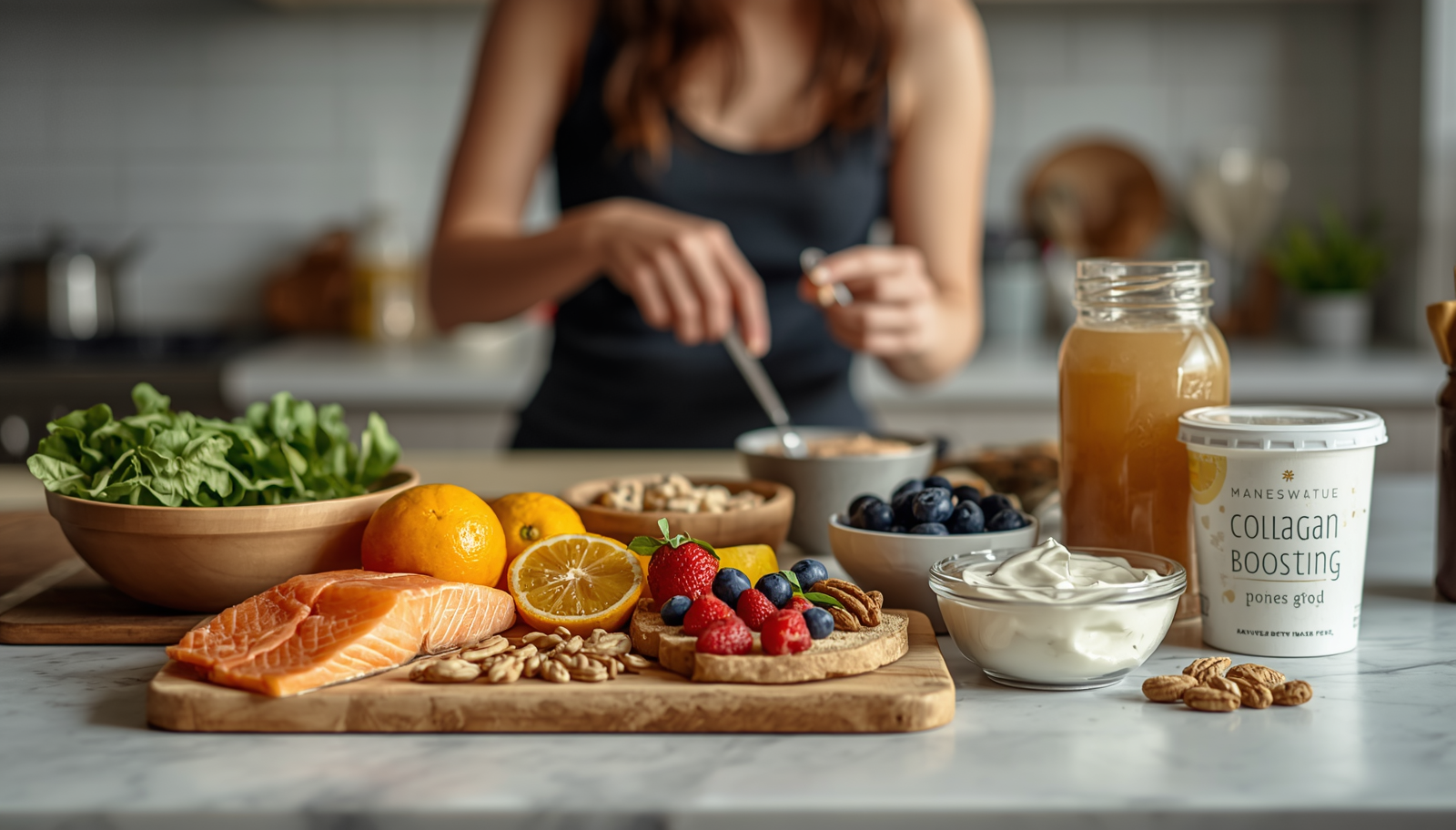
These science-backed collagen boosting foods help support healthier skin, better hydration, and long-term skin longevity without relying on overpriced beauty trends or complicated routines.
The bathroom lighting felt personally offensive that morning. My skin looked dull, tired, and somehow both dry and oily at the same time. Meanwhile my daughter stood beside me with naturally perfect skin eating crackers for breakfast like genetics were just showing off.
That was when I stopped obsessing over expensive skincare and started paying closer attention to food. Because honestly, there is only so much a fancy serum can do when your diet mostly consists of coffee, leftovers, and stress.
Turns out certain foods actually support collagen production naturally. Not in a magical overnight way. More in a steady, realistic, your-face-looks-less-exhausted-after-a-few-weeks kind of way :).
If you want healthier skin that ages well, these are the science-backed collagen boosting foods for skin longevity worth adding to your routine.

Collagen is the protein that helps keep skin firm, smooth, and elastic. Your body naturally produces it, but production starts slowing down as you age.
Which feels rude, honestly.
Things like stress, sugar, poor sleep, smoking, and sun exposure can also damage collagen over time. That is why skin can start looking thinner, drier, or less bouncy with age.
The good news is that some foods provide nutrients your body needs to support collagen production naturally.
Takeaway: Eating collagen-supportive foods consistently helps support healthier skin over time.
Bone broth became wildly popular online and I resisted it for an embarrassingly long time. Mostly because I assumed it would taste like warm disappointment.
Turns out it is actually comforting and filling.
Bone broth naturally contains collagen compounds like glycine, gelatin, and proline. These nutrients support skin structure and hydration.
Store-bought versions work fine too. I do not always have the energy to simmer bones for twelve hours while running a business and cleaning mystery sticky spots off the counter.
Takeaway: Bone broth provides collagen-related amino acids that help support skin elasticity and hydration.

Salmon earns its healthy reputation.
It contains protein and omega-3 fatty acids that help support skin moisture and reduce inflammation. Healthy fats also help skin look smoother and less irritated.
I noticed my skin looked calmer during winter once I started eating salmon weekly. Before that, my face looked like it lost a fight with dry office air.
Takeaway: Salmon supports healthier skin with protein and skin-friendly omega-3 fats.

Eggs are one of the most practical collagen-supportive foods around.
They contain amino acids your body uses for collagen production along with protein and healthy fats. The yolk also supports skin health thanks to nutrients like biotin.
For years, diet culture convinced people to fear egg yolks. Meanwhile dry scrambled egg whites tasted like punishment FYI.
Takeaway: Eggs provide affordable nutrients that help support stronger skin and collagen production.
Without vitamin C, your body struggles to produce collagen properly.
That makes oranges, lemons, grapefruit, and mandarins incredibly helpful for skin longevity. Vitamin C also helps protect skin from oxidative stress.
I started keeping mandarins on the kitchen counter because they are easy to grab during busy workdays. Also because my daughter eats them before they have time to go bad.
Takeaway: Vitamin C-rich citrus fruits help your body build and maintain collagen more effectively.

Berries are tiny antioxidant powerhouses.
Blueberries, strawberries, and raspberries help protect existing collagen from damage caused by stress and environmental factors. They also contain vitamin C.
I throw berries into yogurt constantly because it feels like one of the few healthy habits I can maintain consistently.
Frozen berries work perfectly too. Slightly less glamorous but much cheaper.
Takeaway: Berries help protect skin collagen while supporting healthier-looking skin overall.
Chicken contains protein and connective tissue that naturally support collagen intake.
Slow-cooked chicken dishes especially contain collagen-rich compounds from skin and connective tissues. Plus chicken works for almost every meal imaginable.
Rotisserie chicken honestly saves me on chaotic weekdays when cooking feels emotionally impossible.
Takeaway: Chicken provides practical protein support for collagen production and skin repair.
Greek yogurt quietly became one of my favorite skin-friendly breakfasts.
It contains protein that supports tissue repair and pairs well with antioxidant-rich foods like berries and nuts. Protein matters more for skin health than most people realize.
Just avoid heavily sweetened versions pretending to be healthy desserts.
Takeaway: Greek yogurt supports skin longevity with protein and easy nutrient pairings.
Avocados contain healthy fats and vitamin E that support skin hydration and elasticity.
Healthy fats help maintain the skin barrier, which matters if your face constantly feels dry and irritated during colder months.
I used to think avocado toast was overrated until I realized it actually keeps me full and my skin happier. Annoying when trends accidentally become correct.
Takeaway: Avocados support hydrated and smoother-looking skin with healthy fats and antioxidants.
Tomatoes contain lycopene, an antioxidant linked to skin protection.
Cooked tomatoes actually make lycopene easier for your body to absorb, which gives pasta sauce a rare moment of nutritional redemption.
Takeaway: Tomatoes provide antioxidants that help support long-term skin health and collagen protection.
Nuts and seeds contain zinc, copper, vitamin E, and healthy fats that support collagen production.
Pumpkin seeds especially contain zinc, which helps with tissue repair and skin renewal.
I keep mixed nuts in my bag because otherwise I end up buying overpriced pastries while running errands. The pastries still tempt me every single time though.
Takeaway: Nuts and seeds support collagen production with minerals and healthy fats your skin needs.
Spinach, kale, and other greens contain antioxidants and vitamin C that support skin health.
They also help protect existing collagen from damage caused by environmental stressors.
I sneak spinach into pasta dishes because it makes me feel responsible even when dinner also includes garlic bread.
Takeaway: Leafy greens help protect skin collagen while adding important nutrients for long-term skin health.
Beans rarely get attention in beauty conversations, which feels unfair.
They contain protein, copper, and zinc that support collagen production naturally. They are also affordable and filling.
Honestly, beans deserve better branding. They work hard nutritionally and ask for very little in return.
Takeaway: Beans provide affordable plant-based nutrients that help support collagen production and healthier skin.

Food matters, but daily habits matter too.
You can eat all the collagen boosting foods you want, but chronic stress and poor sleep will still show up on your face eventually.
I know stress management sounds lovely in theory while emails pile up and someone asks where their missing sock went.
Still, small consistent habits make a noticeable difference over time.
Takeaway: Supporting collagen requires both nutrient-rich foods and realistic daily habits.
Healthy skin usually comes from steady habits, not miracle products hiding behind expensive packaging and suspicious promises.
These science-backed collagen boosting foods for skin longevity help support your skin from the inside out by providing protein, antioxidants, healthy fats, and vitamins your body actually uses for collagen production.
Bone broth, salmon, eggs, berries, leafy greens, beans, and healthy fats all work together to support stronger, healthier-looking skin over time.
No food will stop aging completely. Honestly, nothing will. But feeding your body well can help your skin look healthier, stronger, and less exhausted while getting older. And at this point, that feels like a pretty solid win :).