Physical Address
304 North Cardinal St.
Dorchester Center, MA 02124
Physical Address
304 North Cardinal St.
Dorchester Center, MA 02124


These collagen boosting foods can help support firmer, healthier-looking skin naturally while making your meals feel comforting, realistic, and easy to maintain long term.
One morning I looked in the mirror and noticed my skin looked tired before I even felt awake. Not dramatic movie-scene tired. Just dull, dry, slightly saggy around the eyes, and weirdly less bouncy than it used to be. Meanwhile, my daughter somehow had the glowing skin of a tiny hydrated angel despite surviving mostly on pasta and chaos.
At first, I blamed stress and lack of sleep. Fair. But I also realized my diet had quietly turned into coffee, random snacks, and whatever leftovers I could grab between work deadlines. My skin honestly never stood a chance.
That is when I started paying more attention to collagen boosting foods for skin elasticity. Not expensive powders with suspicious promises. Actual foods that support collagen production naturally.
And no, eating salmon for one week did not suddenly turn me into a glowing skincare commercial. But over time, my skin looked healthier, more hydrated, and less exhausted. Which honestly felt impressive considering my sleep schedule sometimes resembles a raccoon’s.
If you want healthier skin without relying entirely on fancy serums and wishful thinking, these foods are worth adding to your routine 🙂

Collagen is a protein that helps keep skin firm, smooth, and elastic. Your body naturally produces collagen, but production slows down with age, stress, poor sleep, and questionable life choices like surviving on caffeine and crackers.
Lower collagen levels can contribute to:
Your body needs nutrients to produce collagen effectively.
That means foods rich in:
No single food magically fixes skin overnight. But consistent nutrition helps a lot over time.
Takeaway: Collagen boosting foods support skin elasticity by providing nutrients your body needs for collagen production.

Bone broth became one of my favorite cozy skin-support foods during colder months.
It naturally contains collagen, amino acids, and minerals that support skin health.
Honestly, it feels oddly comforting and nourishing at the same time.
Bone broth provides building blocks like glycine and proline that support collagen production.
Plus it makes you feel like someone’s wise grandmother even if you are drinking it while answering emails at your kitchen counter.
Takeaway: Bone broth contains natural collagen compounds that may help support skin elasticity.
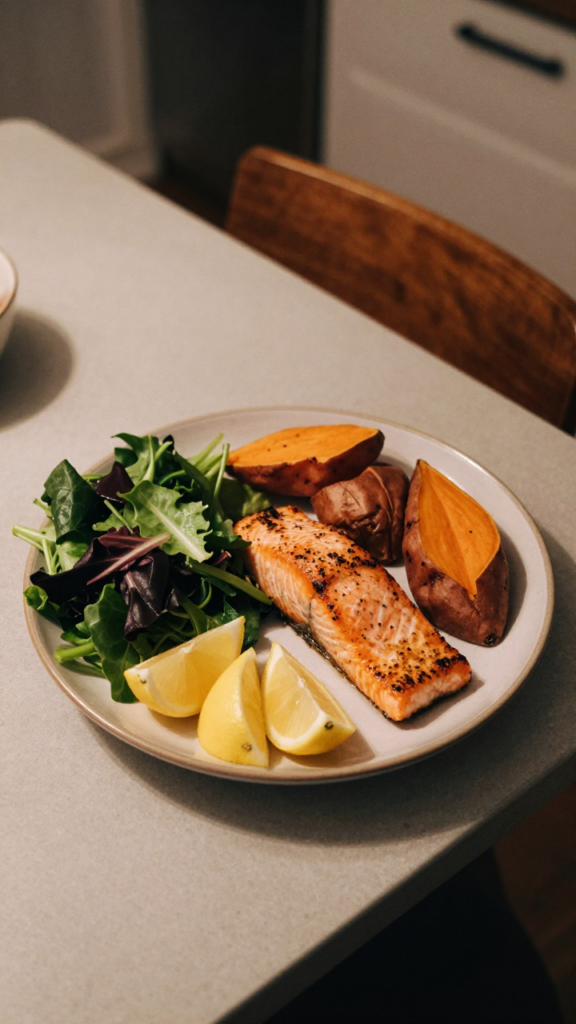
Salmon is basically skincare food pretending to be dinner.
It contains:
Those nutrients help support hydrated, healthier-looking skin.
When I consistently ate more healthy fats, my skin looked less dry and irritated.
Which made sense considering my previous hydration strategy involved coffee and blind optimism.
Simple meals work perfectly fine here.
Takeaway: Salmon supports collagen production and skin hydration through healthy fats and protein.
Eggs are one of the easiest collagen boosting foods for skin elasticity because they contain amino acids needed for collagen production.
They are also affordable, fast, and realistic for busy mornings.
Nothing groundbreaking. Just reliable protein that keeps me functioning like a semi-responsible adult.
Your skin needs adequate protein to repair and maintain structure.
Skipping protein constantly can leave skin looking tired over time.
Takeaway: Eggs provide amino acids and protein that help support healthier skin structure.
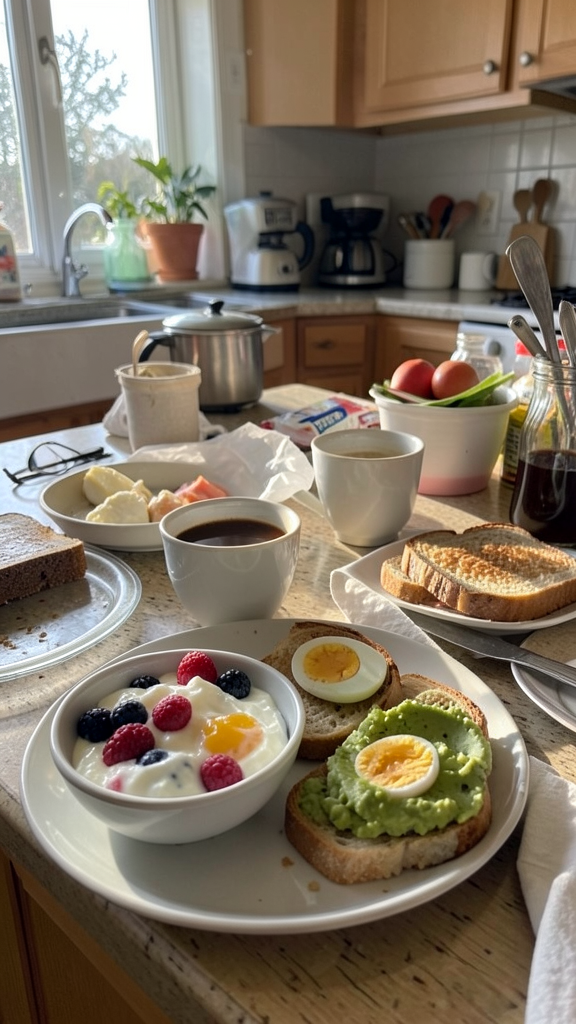
Berries are packed with vitamin C, which plays a huge role in collagen production.
Without enough vitamin C, your body struggles to build collagen properly.
Usually because my daughter eats half of them before I even unpack groceries.
Plus they make breakfast look healthier even when the rest of your life feels chaotic, FYI.
Takeaway: Berries support collagen production because they are rich in vitamin C and antioxidants.
Avocados contain healthy fats and vitamin E that support skin moisture and elasticity.
I resisted the avocado obsession for years because social media made it feel legally required for wellness content.
Unfortunately, avocados actually help.
Healthy fats support:
Dry, irritated skin often improves when nutrition improves too.
Very groundbreaking culinary work happening over here.
Takeaway: Avocados support skin elasticity through healthy fats and skin-supporting nutrients.
Oranges, lemons, and grapefruits are loaded with vitamin C.
That makes them excellent collagen boosting foods for skin elasticity.
Nothing complicated. Small habits matter more than dramatic detox nonsense.
Vitamin C helps your body actually produce collagen effectively.
Your fancy collagen powder means less if your nutrition lacks supportive nutrients.
Takeaway: Citrus fruits help support collagen formation thanks to their high vitamin C content.
Sweet potatoes contain beta carotene, which supports healthy skin appearance and repair.
They also make comforting meals feel slightly more nutritious, which honestly helps emotionally too 🙂
Very realistic mom-friendly meals.
Adding more colorful whole foods made my skin look less dull over time.
Not overnight. More like gradual improvement that suddenly becomes noticeable one day.
Takeaway: Sweet potatoes provide antioxidants that help support healthier and more resilient skin.
Nuts and seeds contain zinc, selenium, vitamin E, and healthy fats.
Those nutrients support skin repair and collagen production.
I started throwing seeds into yogurt and oatmeal because realistically that required minimal effort.
Low-effort wellness habits deserve more respect honestly.
Takeaway: Nuts and seeds support collagen production and skin repair with important minerals and healthy fats.
Spinach, kale, and arugula contain antioxidants and vitamin C that support skin health.
They help protect skin from oxidative stress and support collagen formation naturally.
Not giant bowls of sadness pretending to be lunch.
I still do not crave kale naturally. But my skin definitely looks happier when vegetables appear regularly in my meals.
Rude but true.
Takeaway: Leafy greens provide antioxidants and nutrients that help maintain healthier skin elasticity.
Tomatoes contain lycopene, an antioxidant that helps support skin health.
Cooked tomatoes may be especially helpful because lycopene becomes easier to absorb.
Antioxidants help protect collagen from damage caused by stress and environmental factors.
Your skin deals with a lot daily. Especially if you also forget sunscreen sometimes like a chaotic goblin.
Takeaway: Tomatoes support skin health with antioxidants that may help protect collagen.
Greek yogurt contains protein and beneficial nutrients that support skin repair and hydration.
Fast protein makes a huge difference when life gets busy.
Consistently eating enough protein made my skin look healthier overall.
Again, deeply annoying how basic nutrition actually matters.
Takeaway: Greek yogurt supports skin elasticity through protein and skin-supportive nutrients.
Garlic contains sulfur compounds that help support collagen production naturally.
Tiny ingredient. Surprisingly helpful.
Honestly, garlic improves almost everything except close human interaction afterward.
Sulfur supports collagen formation and helps protect existing collagen too.
Which makes garlic feel slightly more glamorous than people give it credit for.
Takeaway: Garlic contains sulfur compounds that may help support natural collagen production.

Food matters, but other habits affect collagen too.
I noticed my skin improved most when multiple habits worked together instead of relying on one magical solution.
Sadly, there is no single blueberry powerful enough to fix sleep deprivation completely.
These 12 delicious collagen boosting foods for skin elasticity helped my skin look healthier, more hydrated, and less tired over time without turning my life into a restrictive wellness experiment.
The biggest difference came from consistency. More protein. More colorful foods. More healthy fats. Slightly fewer survival meals made entirely of caffeine and stress.
Your skin reflects how you care for your body overall. Sometimes better skin starts less with expensive products and more with what quietly shows up on your plate every day.