Physical Address
304 North Cardinal St.
Dorchester Center, MA 02124
Physical Address
304 North Cardinal St.
Dorchester Center, MA 02124


These calming evening rituals can help reset your circadian rhythm naturally so you fall asleep faster, wake up easier, and stop feeling exhausted all day.
At 10 pm., I stood in the kitchen eating dry cereal straight from the box while scrolling my phone and answering emails I absolutely could have ignored until morning. My brain felt exhausted all day, yet somehow fully energized the second bedtime arrived. Very cool. Very healthy.
Then the next morning came, and I hit snooze like it personally offended me. Again.
For a long time, I focused only on fixing my mornings. Better alarms. More coffee. Earlier wake-up times. None of it worked because my evenings were complete chaos.
Once I started building simple evening rituals for a perfect circadian rhythm reset, my sleep improved dramatically. I stopped feeling wired at midnight and half-dead at 7 a.m. My energy became steadier too, which honestly felt suspicious after years of feeling tired for no reason.
If your brain suddenly becomes productive right before bed or your sleep schedule feels like a random social experiment, these evening habits may help more than another expensive supplement ever will.

Your circadian rhythm acts like your body’s internal clock. It controls energy, hormones, focus, and sleep timing.
Most people think sleep problems start at bedtime. But your evening habits quietly shape how easily your body relaxes hours later.
I had all of these while wondering why productivity podcasts and extra caffeine were not fixing my energy. Turns out the human body enjoys actual routines.
Takeaway: Your evening habits strongly affect your circadian rhythm, sleep quality, and next-day energy.

This was one of the simplest habits with the biggest payoff.
Bright overhead lighting at night tells your brain to stay alert. Your body delays melatonin production because it still thinks daytime is happening.
I stopped using every overhead light in the house after dinner like I was preparing for surgery.
Instead, I switched to:
The whole house instantly felt calmer.
Your brain responds strongly to light exposure. Softer evening light helps your body start winding down naturally.
Honestly, my nervous system relaxed faster once my living room stopped looking like a grocery store aisle.
Takeaway: Lower lighting at night helps signal your brain that bedtime is approaching.

My old bedtime routine involved checking one quick thing online. Then suddenly forty minutes disappeared and I somehow knew a stranger’s entire divorce timeline and pantry organization system.
Phones combine:
Your brain stays alert much longer because it thinks something important is still happening.
I started:
Not perfect. Sometimes I still end up deep in random internet nonsense. But reducing nighttime scrolling improved my sleep noticeably.
My brain felt quieter before bed. Less overstimulated. Less chaotic.
Which honestly felt rare as a working mom with approximately nine thousand tabs open mentally at all times.
Takeaway: Less screen exposure before bed helps your circadian rhythm prepare for deeper sleep.
Late dinners used to happen constantly in my house. Between work, parenting, and general life chaos, dinner sometimes happened suspiciously close to bedtime.
Then I would wonder why I felt uncomfortable and restless trying to sleep.
Your circadian rhythm responds to food timing too. Eating heavy meals late at night can interfere with sleep quality and digestion.
I started aiming for:
Nothing restrictive. Just slightly less chaos.
Turns out eating leftover birthday cake at 10:30 p.m. while answering emails does not exactly create peaceful sleep energy. Fascinating discovery.
Takeaway: Earlier balanced dinners support better digestion and healthier sleep timing.
This ritual helped my brain relax more than I expected.
Waking up to a messy kitchen made mornings feel stressful immediately. But spending ten minutes cleaning everything perfectly at night also felt exhausting.
Now I do a quick reset before bed:
That is it.
Your brain relaxes easier in calmer environments. Small routines also signal that the day is ending.
Plus, future-you feels slightly less attacked the next morning.
Keep it simple. This is not the time to deep clean the refrigerator because your brain suddenly believes midnight is productivity hour.
We do not negotiate with nighttime cleaning delusions anymore 🙂
Takeaway: Small evening cleanup routines create calmer mornings and help your brain transition into rest mode.
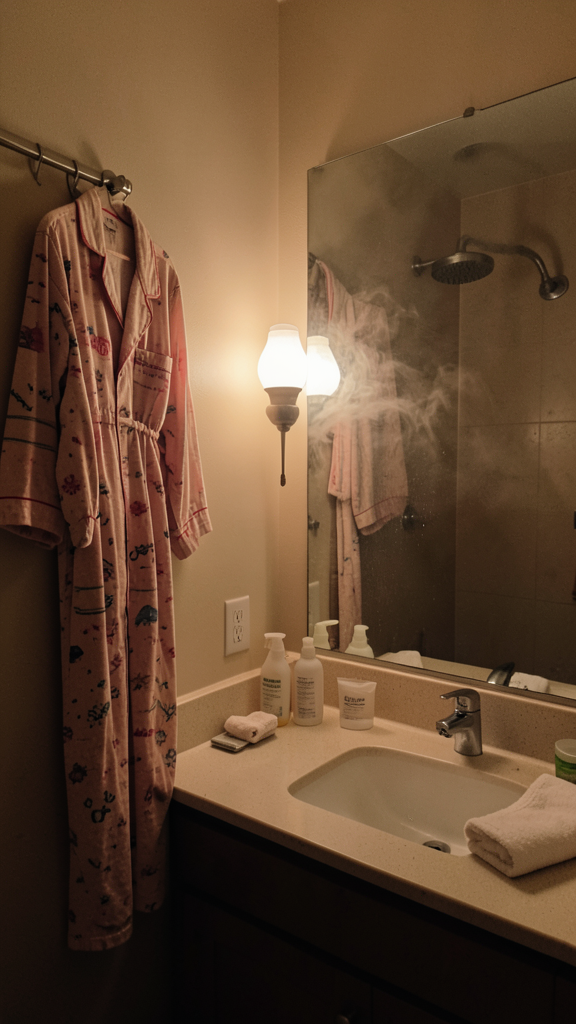
This became one of my favorite evening rituals for a perfect circadian rhythm reset.
Warm showers helped my body physically relax after long workdays and endless screen time.
Your body temperature naturally changes before sleep. Warm showers can support that process and help you feel sleepier afterward.
Nothing fancy:
That alone made bedtime feel more intentional instead of chaotic.
It also created separation between work mode and rest mode. Important when your office and living room are basically the same place.
Remote work really blurred every life boundary possible, FYI.
Takeaway: Warm showers or baths help your body relax and prepare for deeper sleep naturally.
This one annoyed me because I wanted flexibility without consequences.
Unfortunately, your circadian rhythm loves consistency more than spontaneous midnight movie marathons.
Irregular sleep schedules confuse your internal clock.
That often leads to:
I stopped aiming for perfection and focused on consistency instead.
Going to bed around the same time most nights improved my sleep more than forcing myself into complicated wellness routines.
Your bedtime does not need military precision. Staying within a similar window helps a lot.
Your body likes patterns. My personality still resists this information daily.
Takeaway: Consistent bedtimes strengthen your circadian rhythm and improve sleep quality over time.
My brain loved becoming wildly ambitious at night.
Suddenly bedtime felt like the perfect moment to:
Mental stress keeps cortisol elevated. Your brain struggles to shift into relaxation mode when it still thinks the day is active.
I started:
Not every night looked peaceful. Sometimes parenting alone destroys all calm by 8 p.m. But reducing stimulation still helped.
I stopped trying to squeeze maximum productivity out of every evening.
Turns out exhaustion is not a personality trait.
Takeaway: Calmer evenings help your nervous system shift into a more restful state before sleep.
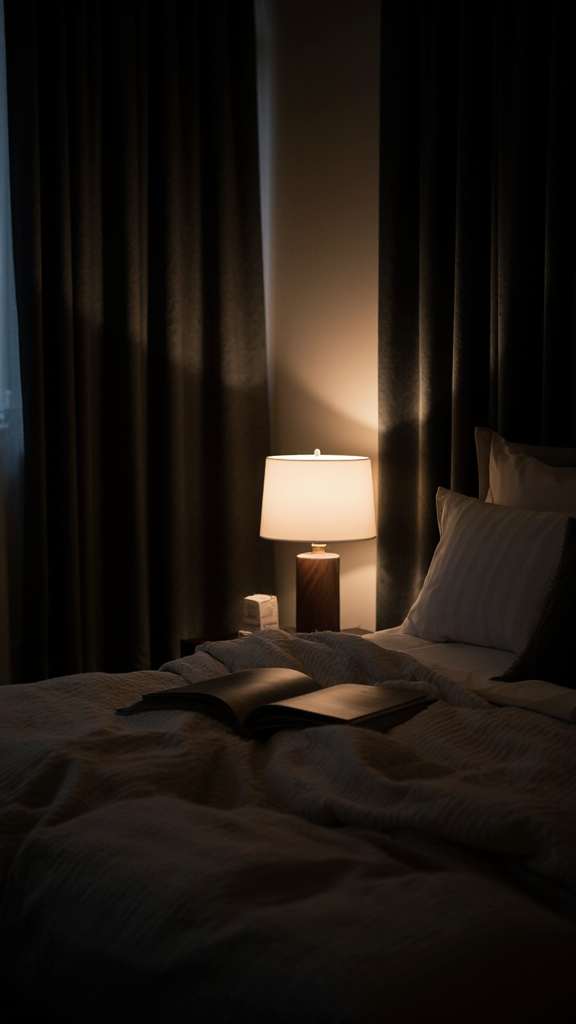
For a while, my bedroom became everything except restful.
Work laptop. Laundry piles. Phone scrolling station. Random storage area. Honestly, the room had no idea what its purpose was anymore.
Your brain builds associations with spaces. Bedrooms that feel stressful or overstimulating can make sleep harder.
The room finally started feeling calmer instead of visually yelling at me.
You do not need a luxury spa bedroom from social media. Your space just needs to feel restful enough for your brain to recognize sleep mode.
Messy but peaceful still counts.
Takeaway: A calmer bedroom environment helps reinforce stronger sleep habits and circadian rhythm signals.
Building these evening rituals for a perfect circadian rhythm reset changed my sleep more than any trendy wellness gadget or productivity hack ever did.
Once my evenings became calmer and more consistent, mornings stopped feeling so brutal too. My energy improved. My focus lasted longer. I stopped feeling constantly exhausted for reasons I could not explain.
Your circadian rhythm responds to the small signals you repeat every night. Sometimes better sleep starts with dimmer lights, quieter evenings, and finally putting your phone down before your brain starts researching nonsense at midnight.