Physical Address
304 North Cardinal St.
Dorchester Center, MA 02124
Physical Address
304 North Cardinal St.
Dorchester Center, MA 02124


These simple light exposure habits can help reset your circadian rhythm naturally so you sleep better, think clearer, and stop feeling exhausted halfway through the day.
By mid-afternoon, I felt like someone had unplugged my brain. My coffee sat cold on the desk again, my focus disappeared somewhere around lunchtime, and somehow I still could not fall asleep properly at night. It felt ridiculous. Exhausted all day but fully alert at 11 p.m. while researching things like whether magnesium gummies could magically fix my life.
For a while, I blamed stress and work. Then I realized I spent most days indoors under artificial lighting while staring directly into bright screens until bedtime. My circadian rhythm never stood a chance.
Once I learned how light exposure affects sleep, energy, and focus, things finally started improving. Not overnight. But enough to stop feeling like a confused raccoon every afternoon :/
The good news is resetting your body clock does not require complicated wellness routines. These five simple light exposure rules made the biggest difference for me, and honestly, they are much easier than giving up coffee forever.

Your circadian rhythm acts like your internal body clock. Light exposure tells your brain when to feel awake and when to feel sleepy.
Natural light in the morning boosts alertness and helps regulate cortisol and melatonin. Bright artificial light at night does the opposite. Your brain gets confused and thinks bedtime is apparently optional.
I had all of these at once while wondering why productivity podcasts were not fixing anything. Funny how actual biology matters.
Takeaway: Your circadian rhythm depends heavily on when your eyes receive bright light and darkness throughout the day.

This was the habit that changed everything fastest.
Morning sunlight helps reset your circadian rhythm by signaling to your brain that daytime has officially started. That early light exposure improves alertness during the day and helps your body produce melatonin at the correct time later.
I began stepping outside every morning before checking emails or social media. Some mornings I walked around the block. Other mornings I just stood outside holding coffee while looking emotionally unavailable.
Either way, it worked.
Indoor lighting is much dimmer than natural daylight. Even cloudy outdoor light gives your brain a much stronger wake-up signal.
Easy ways to get morning light:
You do not need a perfect sunrise routine from a wellness documentary. Ten to fifteen minutes helps plenty.
Takeaway: Early morning outdoor light helps reset your circadian rhythm and boosts daytime energy naturally.
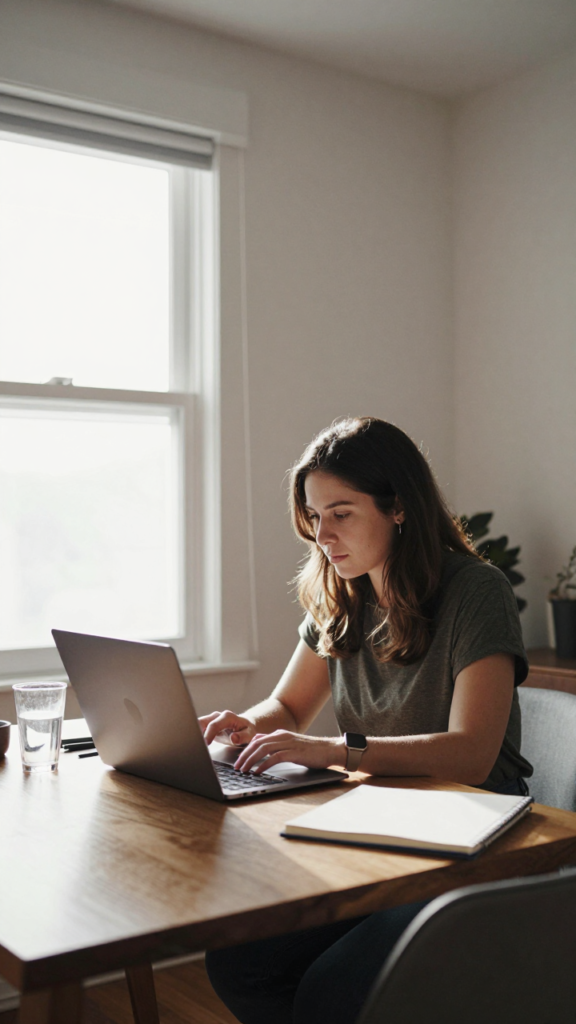
This rule sounds obvious until you realize how much time most of us spend indoors.
I used to work all day under dim lighting while barely seeing sunlight until I took the trash out at night. Then I wondered why my sleep schedule looked chaotic. Incredible detective work by me, honestly.
Your body clock works best when daytime feels bright and nighttime feels dark. Spending all day in low indoor lighting weakens those signals.
I noticed my afternoon focus improved once I started getting outside briefly during work breaks. My energy stopped crashing quite so aggressively around 3 p.m.
Bright daytime light increases alertness and supports better mental clarity. Your brain functions better when it knows daytime is actually happening.
Who knew humans were basically houseplants with email accounts.
Takeaway: More daytime light exposure strengthens your internal body clock and improves focus throughout the day.
This one hurt because nighttime scrolling felt relaxing at the time.
Unfortunately, bright overhead lighting and phone screens tell your brain to stay alert. Blue light exposure at night delays melatonin production and makes sleep feel harder.
Then I would lie awake wondering why my brain suddenly wanted to reorganize the pantry at midnight.
I started:
Nothing dramatic. Just less accidental interrogation-room lighting before bed.
Even small changes helped my brain feel sleepier at more reasonable hours.
Takeaway: Lowering bright light exposure at night helps your brain prepare for deeper and more natural sleep.
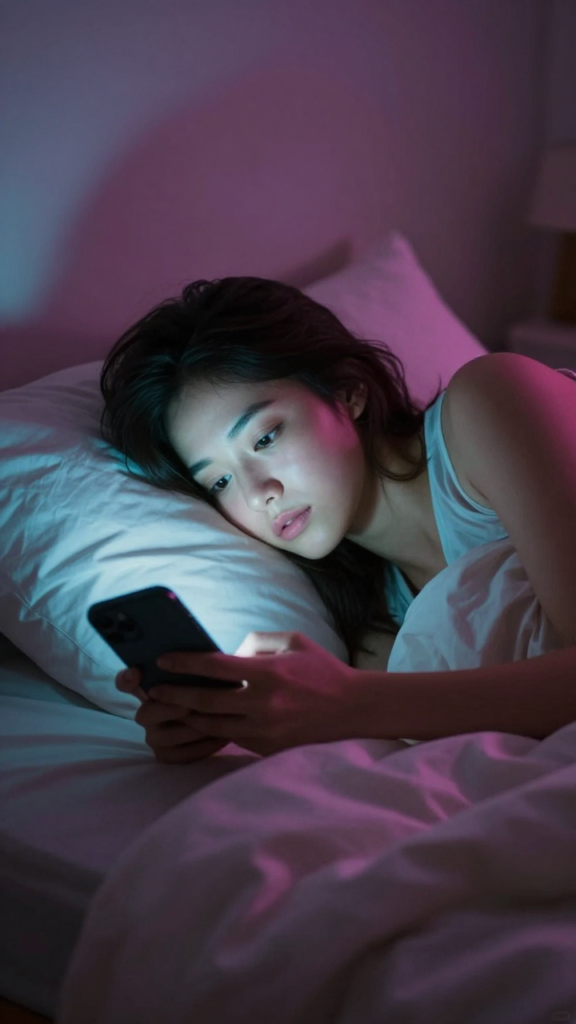
This deserves its own section because phones are sneaky little sleep destroyers.
I used to promise myself I would check one thing before bed. Suddenly forty-five minutes disappeared and I somehow knew a stranger’s entire kitchen renovation story.
Screens combine bright light with mental stimulation. Your brain stays alert longer because it still thinks something important is happening.
That means:
I replaced some screen time with:
Not every night. Sometimes I still end up watching random recipe videos at 11 p.m. because apparently self-control expires after dark.
But reducing screen time consistently helped my sleep quality improve a lot.
You do not need to throw your phone into the ocean. Just create more separation between screen time and bedtime.
Even thirty minutes helps.
Takeaway: Less nighttime screen exposure improves melatonin production and supports healthier sleep cycles.
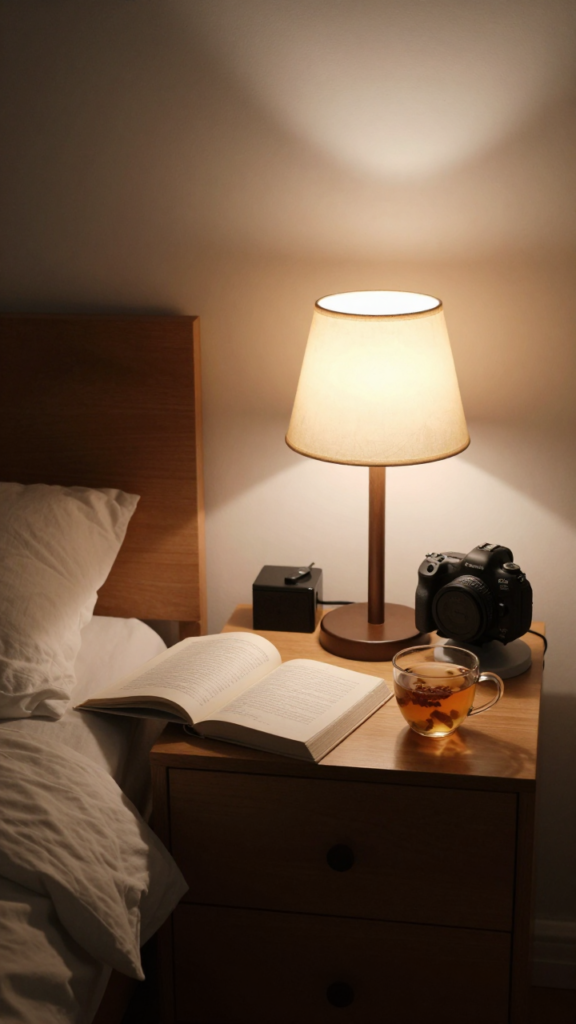
Your circadian rhythm loves consistency even when your social life does not.
Sleeping until noon on weekends after waking early all week confuses your internal clock badly. I learned this after years of treating Saturdays like a recovery mission.
Your body responds well to repeated patterns:
When these signals repeat daily, your body clock becomes stronger and more predictable.
You do not need perfection.
I aimed for:
That alone improved my energy more than expensive supplements ever did. Slightly rude considering how much those supplements cost, FYI.
Your body starts cooperating instead of acting like a rebellious teenager.
Takeaway: Consistent light exposure and sleep timing help your circadian rhythm stay balanced long term.
A lot of people focus only on bedtime while ignoring the light signals their brain receives all day.
I managed to do nearly all of these simultaneously while wondering why I felt exhausted all the time. The human brain truly loves making things harder than necessary.
Most people notice small improvements within a few days. Bigger changes usually happen over a couple of weeks.
The habits that helped me fastest were:
The important thing is consistency. Your body clock responds to repeated signals more than occasional perfect days.
Learning these five simple light exposure rules to reset circadian rhythm changed my energy more than any productivity trick or expensive sleep gadget ever did.
Once I started treating light like an actual biological signal instead of random background decoration, my sleep became deeper, my focus improved, and my afternoons stopped feeling like survival mode.
Your body wants clear signals about when to wake up and when to slow down. Sometimes better energy starts with something as simple as stepping outside for ten quiet minutes before opening your phone.