Physical Address
304 North Cardinal St.
Dorchester Center, MA 02124
Physical Address
304 North Cardinal St.
Dorchester Center, MA 02124

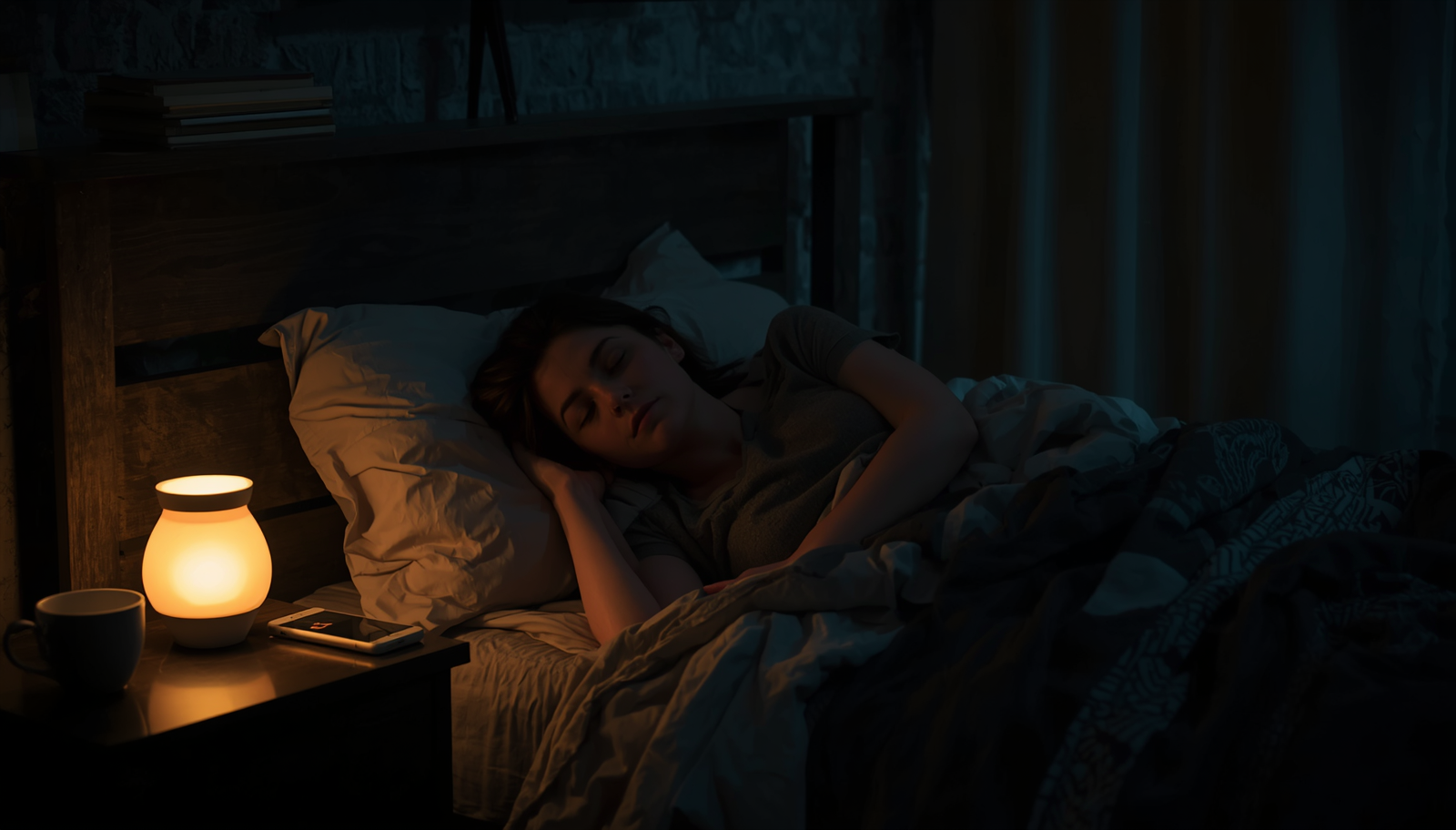
These creative bedtime routine ideas can help you reset stressful evenings, quiet your overstimulated brain, and finally make nighttime feel calm, cozy, and genuinely relaxing again.
The kitchen was finally clean. My daughter had stopped asking for one more bedtime story even though we both knew one more story somehow turns into six. I sat on the couch ready to relax, then immediately grabbed my phone and spent forty minutes watching strangers reorganize their refrigerators online.
Suddenly it was midnight and my brain felt like microwaved soup.
That cycle used to happen constantly. I thought I needed stricter discipline or some magical nighttime productivity system. Turns out, I mostly needed better ways to transition out of survival mode before bed.
A good nighttime routine does not have to look perfect or overly serious. Honestly, some of the best habits are the weird little rituals that quietly tell your brain the stressful part of the day is officially over.
If your evenings feel rushed, overstimulated, or emotionally chaotic, these 8 creative bedtime routine ideas to reset your night might help you slow down and actually enjoy the end of your day again.

Most people think bedtime routines have to feel strict and boring. Brush teeth. Wash face. Sleep. Repeat forever.
But creative nighttime habits feel more personal and enjoyable, which makes them easier to stick with long term.
Your brain responds well to routines that feel comforting instead of forced.
A relaxing bedtime routine can help:
And honestly, adults deserve comforting routines too. We cannot survive on caffeine and unresolved stress forever :/
Takeaway: Creative bedtime habits feel easier to maintain because they make evenings more enjoyable.

This became one of my favorite bedtime habits completely by accident.
I got tired of wandering around the house every night looking for lip balm, chargers, notebooks, and random things my daughter somehow borrowed without asking. So I started keeping a small basket beside my bed filled with calming nighttime essentials.
Now it feels weirdly comforting.
You can include:
The basket itself becomes part of the bedtime ritual.
Also, it prevents late-night scavenger hunts around the house. Huge win.
Takeaway: A nighttime basket makes your bedtime routine feel intentional and calming.
Some nights my brain feels overstimulated from work, parenting, notifications, and hearing Mom every twelve minutes.
Music helps me transition out of that mental chaos surprisingly fast.
Instead of endlessly scrolling at night, I started playing the same calming playlist before bed. After a while, my brain automatically connected those songs with relaxation.
Keep the playlist short so it feels manageable.
FYI, sad breakup songs at midnight can quickly turn into emotional theater. Proceed carefully 🙂
Takeaway: Repeating calming music each night helps signal your brain that bedtime is approaching.
Traditional to-do lists stress me out at night sometimes. I already know I forgot seventeen things.
A done list feels completely different.
Instead of writing what still needs work, write down what you already completed that day.
This habit helps shift your brain away from constant pressure.
Some days survival honestly deserves recognition.
Takeaway: A done list helps your brain feel finished with the day instead of overwhelmed.
One of the most creative bedtime routine ideas that actually changed my evenings was pretending my house had business hours.
At a certain time every night, everything closes.
No more work emails. No more random online shopping. No more deep cleaning kitchen cabinets because suddenly inspiration struck at 10 PM.
Pick a specific hour and:
This creates a mental boundary between daytime stress and nighttime rest.
IMO, adults desperately need official closing hours too.
Takeaway: A nighttime cutoff helps your brain stop treating bedtime like extra work time.

This sounds basic until you realize many of us spend evenings under lighting bright enough for surgical procedures.
Harsh lighting keeps your brain alert longer.
About an hour before bed, I switch to softer lamps around the house. The atmosphere changes instantly. Even my daughter starts calming down faster without me repeating bedtime instructions like a malfunctioning robot.
Soft lighting feels surprisingly powerful after stressful days.
Takeaway: Dim lighting helps your body naturally prepare for rest.

I am fully aware this sounds slightly dramatic, but nighttime drinks feel emotionally healing sometimes.
Not fancy wellness drinks either. I mean simple comforting things that make evenings feel slower.
My usual choice is herbal tea while sitting quietly in the kitchen after everyone finally settles down.
The key is slowing down while drinking it instead of multitasking.
Yes, staring silently into space while holding tea absolutely counts as self-care 🙂
Takeaway: Small comfort rituals help create emotional calm before bedtime.
Sometimes your brain gets stuck in autopilot. Small changes can refresh your nighttime mood without requiring a complete life transformation.
One evening I changed my bedside lamp placement and added softer blankets. Suddenly the room felt calmer and more relaxing.
Tiny environmental shifts can make bedtime feel new again.
Your bedroom does not need to look perfect. It just needs to feel restful.
Takeaway: Small environmental changes can help reset your nighttime mindset.

This was probably the hardest habit for me personally.
I used to treat every free moment like an opportunity to finish something productive. But constantly doing tasks right until bedtime kept my brain overstimulated.
Now I intentionally end the night with one calm activity that serves absolutely no productive purpose.
The goal is simple enjoyment without pressure.
Honestly, your brain deserves a break from performing all day long.
Takeaway: Non-productive nighttime activities help your mind fully relax before sleep.
Some nighttime habits feel harmless but secretly keep your brain overstimulated.
Phones make it harder to mentally disconnect before bed.
Your brain struggles to switch directly from stress into sleep.
Loud TVs or constant stimulation can keep your nervous system alert.
Complicated routines often become stressful instead of calming.
Keep your bedtime habits simple enough to repeat consistently.
That matters more than perfection.
The best routines feel realistic for your actual life.
Start with:
That alone can completely change your evenings over time.
Do not overcomplicate it.
Your nighttime routine should help you feel calmer, not like you are training for the Sleep Olympics.
The end of the day should not feel like emotional leftovers and unfinished stress following you into bed.
Small creative habits can completely reset your evenings and help your brain finally relax after nonstop stimulation.
And honestly, bedtime routines are not about perfection. They are about creating little moments of comfort in ordinary life. A soft lamp. Quiet music. A warm drink. Ten peaceful minutes without notifications demanding something from you.
Sometimes those tiny habits end up changing your entire mood more than you expect.