Physical Address
304 North Cardinal St.
Dorchester Center, MA 02124
Physical Address
304 North Cardinal St.
Dorchester Center, MA 02124


Feeling exhausted at the wrong times every day? These 12 circadian rhythm reset tips for better energy can help improve your sleep, stabilize your energy levels, and make your mornings feel a lot less painful naturally.
You wake up exhausted even after a full night of sleep, drag yourself through the morning with caffeine, feel weirdly productive at 10 PM, then suddenly cannot fall asleep when you finally get into bed. Your body feels tired at all the wrong times like it completely ignored the schedule memo.
That was me for way too long.
I blamed stress at first. Then parenting. Then work. Then hormones. Honestly I blamed everything except the fact that my daily habits completely wrecked my body clock.
I stayed up too late scrolling, skipped sunlight, drank coffee like it counted as hydration, and expected my energy levels to magically stay stable. Very scientific approach obviously 🙂
Once I started learning about circadian rhythm habits, my energy slowly became more consistent. I stopped feeling like a confused raccoon surviving entirely on caffeine and stubbornness.
These 12 circadian rhythm reset tips for better energy helped me sleep deeper, wake up easier, and feel more human during the day.

Your circadian rhythm is basically your internal body clock. It controls:
Your body relies heavily on light exposure, routines, food timing, and movement to regulate this clock properly.
When your rhythm gets disrupted, your energy levels usually collapse right alongside it.
Takeaway: Your circadian rhythm affects sleep, energy, mood, and overall health every single day.

This habit made the biggest difference for me personally.
I used to wake up and immediately stare at my phone in a dark room like a sleepy goblin hiding from responsibility.
Now I try to get outside or sit near sunlight shortly after waking up.
Natural light tells your brain it is daytime. That helps regulate melatonin and energy levels later at night.
Even ten minutes helps.
Takeaway: Morning sunlight helps reset your internal clock and improves daytime energy naturally.
For years my sleep schedule made absolutely no sense.
Late nights during busy work weeks. Sleeping in on weekends. Random naps. Falling asleep on the couch accidentally while watching cooking videos.
My circadian rhythm never stood a chance.
I started waking up and going to sleep around the same time most days.
Not perfectly obviously. Life still happens.
Your body functions better when it knows when to expect sleep and wakefulness regularly.
Takeaway: Consistent sleep schedules help stabilize energy and support circadian rhythm balance.
I used to drink afternoon coffee because I felt exhausted. Then I struggled to sleep properly. Then I woke up exhausted again.
Tiny self sabotage cycle there :/
Now I stop caffeine earlier in the day whenever possible.
Instead I switch to:
Late caffeine confuses your body clock and delays natural sleep signals.
FYI, feeling tired at night is actually a good thing. Your body is trying to help you.
Takeaway: Reducing late day caffeine helps your body maintain healthier sleep and energy rhythms.
I used to skip meals all day then eat giant dinners late at night because work got busy.
My digestion hated this arrangement deeply.
Your circadian rhythm responds to food timing too. Eating regularly helps support energy stability and digestion.
Nothing extreme.
Just trying to:
Small structure helps more than people realize.
Takeaway: Consistent meal timing supports digestion, energy, and circadian rhythm balance.
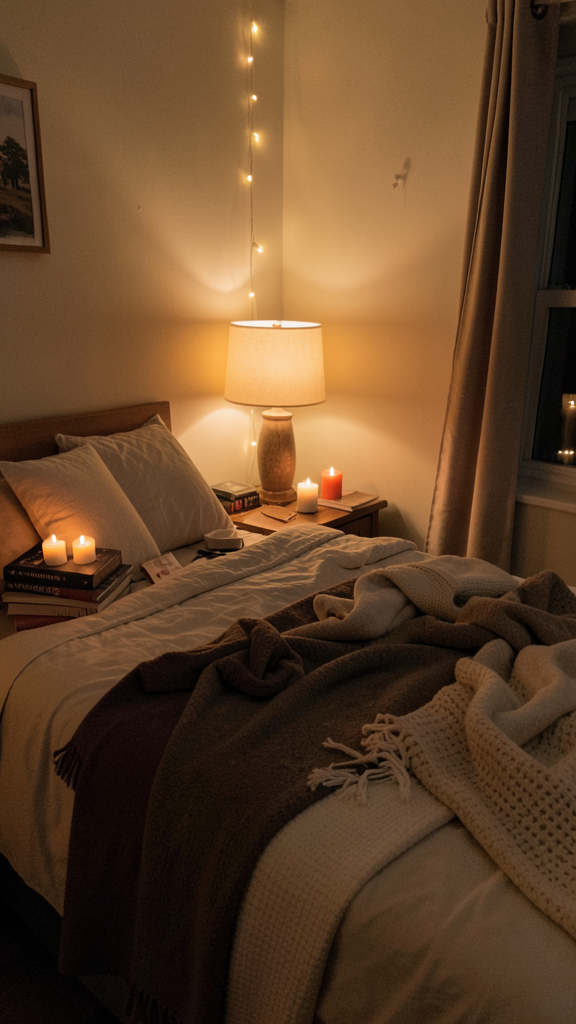
I never noticed how overstimulating bright lighting felt at night until I switched to softer lamps.
Now overhead lights after 9 PM feel emotionally offensive somehow.
Dim lighting helps your brain recognize that bedtime is approaching.
Your nervous system responds surprisingly fast to environmental cues.
Takeaway: Softer evening lighting helps support melatonin production and better sleep quality.
Whenever I spend an entire day sitting at my laptop, my energy feels weirdly sluggish yet restless simultaneously.
Movement helps reset that imbalance.
Nothing complicated.
Simple movement works great:
Morning or afternoon movement tends to support energy and sleep better for many people.
Takeaway: Daily movement helps regulate energy levels and supports healthier circadian rhythms.
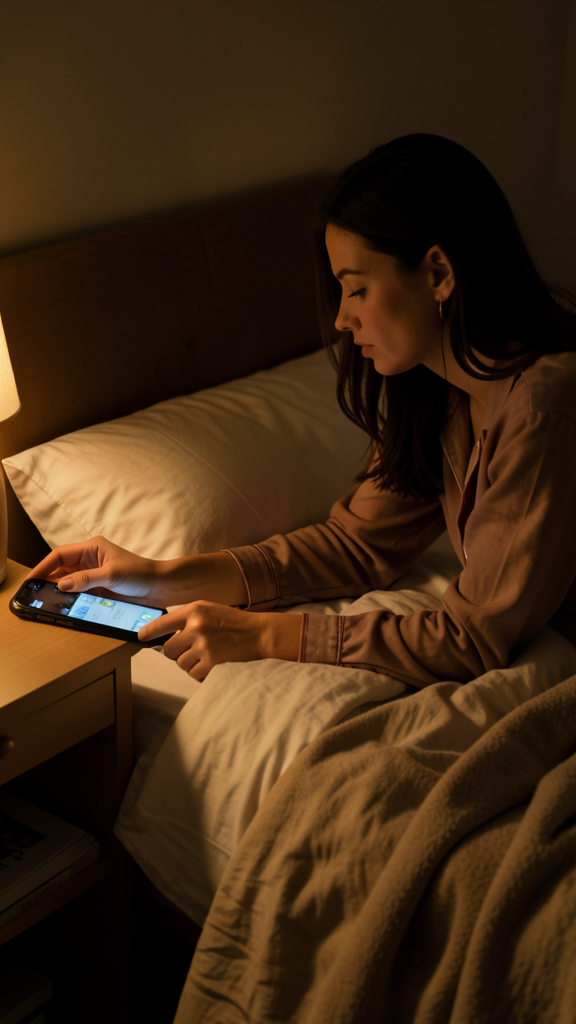
I used to bring my phone into bed every night and somehow expected my brain to relax afterward.
Meanwhile I consumed stressful news, random internet drama, and productivity videos until midnight.
Very peaceful bedtime activity obviously.
I started:
My mind felt noticeably calmer before sleep once screens stopped dominating bedtime.
IMO, nobody has ever improved their sleep by accidentally watching conspiracy videos at 1 AM.
Takeaway: Less nighttime screen exposure helps your brain relax and supports natural sleep cycles.
I love naps emotionally. My circadian rhythm does not always agree.
Long afternoon naps usually made it harder for me to fall asleep later at night.
If I genuinely need rest:
Long naps confuse your body clock and reduce sleep pressure at night.
Takeaway: Shorter earlier naps help maintain healthier nighttime sleep patterns.
Sleeping in a warm stuffy room made my sleep noticeably worse once I paid attention.
Your body naturally cools down before sleep.
Cooler environments help your body transition into deeper sleep more naturally.
Takeaway: Cooler sleeping environments support better rest and circadian rhythm health.
Most people expect their brains to jump directly from stress mode into deep sleep instantly.
That rarely works well.
Usually something like:
Simple routines feel easier to maintain consistently.
Repetitive calming habits signal safety and relaxation to your nervous system.
Takeaway: Consistent nighttime routines help your body prepare for sleep naturally.

I used to survive on coffee until noon and then wonder why my energy crashed constantly.
Adding more protein earlier in the day helped stabilize my energy better than endless caffeine ever did.
Protein supports steadier energy and helps reduce dramatic blood sugar crashes later.
Takeaway: Protein rich breakfasts help support stable daytime energy naturally.
This part matters more than people expect.
Your body clock usually does not reset overnight. Consistency matters more than perfection.
I stopped expecting immediate results and focused on repeating healthier habits consistently.
Some days still feel off. That is normal.
Better energy usually builds slowly through repeated habits over time.
Your body responds to routines more than random perfect days.
Takeaway: Long term consistency matters more than chasing instant energy fixes.
Once my routines became more stable, I noticed:
The biggest difference honestly was waking up without immediately feeling emotionally defeated before breakfast.
Amazing what proper sleep and sunlight can do.
You do not need a perfect lifestyle or expensive wellness gadgets to support your circadian rhythm naturally.
Simple habits make the biggest difference. Morning sunlight, consistent sleep schedules, less nighttime screen time, and calmer evenings can completely shift your energy levels over time.
These 12 circadian rhythm reset tips for better energy work best when you stay patient and focus on consistency instead of perfection.
And honestly, your body deserves better than surviving on stress, caffeine, and random sleep schedules forever.