Physical Address
304 North Cardinal St.
Dorchester Center, MA 02124
Physical Address
304 North Cardinal St.
Dorchester Center, MA 02124


Struggling with bloating, sluggish digestion, or constant stomach discomfort? These 7 gut healing foods can help repair your digestive system naturally without turning your life into a miserable wellness bootcamp.
Your stomach starts acting weird out of nowhere. One day you grab pizza and iced coffee like a functioning adult. The next day your gut behaves like it filed a formal complaint against you. Bloating after every meal. Random cramps. That heavy brick feeling sitting in your stomach for hours. Fun stuff, right?
I hit that wall after a few months of stress eating and surviving on convenience food while juggling work deadlines, parenting chaos, and about four hours of sleep. My body basically waved a tiny white flag. Even my favorite jeans started feeling personally offended by my digestive system.
The annoying part is that gut problems sneak up slowly. You think it is normal to feel sluggish after eating or to look six months pregnant after pasta night. Spoiler alert. It is not.
The good news is your gut can recover with the right foods and a little patience. Not overnight. Not with some sketchy detox tea from social media either :/
Here are 7 gut healing foods to repair your digestive system naturally and without making your life miserable.

Your digestive system does more than process food. It affects your energy, skin, mood, sleep, and even your immune system. When your gut gets irritated, the rest of your body joins the protest.
A messed up gut often shows up as:
I ignored those signs for way too long because I figured adulthood just felt terrible all the time. Turns out my gut needed backup.
Takeaway: Your digestive system affects almost everything in your body. Fixing your gut can improve more than just digestion.

Bone broth sounds old fashioned because it is. Grandmothers knew what they were doing long before wellness influencers started charging nine dollars for broth in glass jars.
Bone broth contains:
These nutrients help calm inflammation and support the intestinal lining. That matters because a damaged gut lining can trigger bloating and food sensitivities.
I started drinking warm bone broth during a rough stretch when my digestion felt completely wrecked. Nothing dramatic happened overnight. But after about two weeks, I noticed less bloating after dinner and fewer random stomach cramps.
Also, sipping broth feels oddly comforting when life gets chaotic. Like your body finally gets a break from processed junk.
Takeaway: Bone broth supports gut lining repair and helps calm digestive irritation naturally.
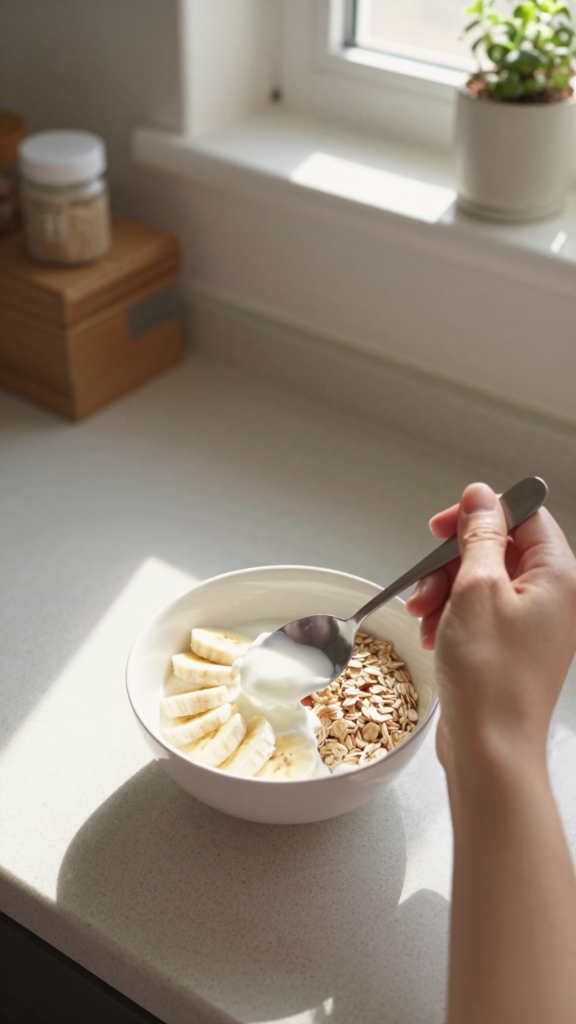
Your gut needs healthy bacteria to function properly. Antibiotics, stress, processed foods, and lack of sleep can wipe out that balance pretty fast. Honestly, parenting alone probably destroys gut bacteria. Cute kids though 🙂
Yogurt contains probiotics that help restore healthy gut flora. Look for plain yogurt with live active cultures and low sugar.
Not all yogurt helps your gut. Some brands pack more sugar than dessert. Your gut bacteria do not need strawberry cheesecake flavored sugar paste pretending to be healthy.
Choose:
Then add your own fruit or honey if needed.
I like yogurt in the morning because it feels light but filling. It also helps when my stomach feels sensitive after a stressful week.
Takeaway: Probiotic rich yogurt helps restore healthy gut bacteria and improve digestion over time.
Fermented foods contain natural probiotics that feed your gut microbiome. Sauerkraut stands out because it is simple, cheap, and surprisingly effective.
It helps:
Do not eat half a jar immediately unless you enjoy making reckless decisions. Start small. A couple forkfuls is enough at first.
I learned this lesson the hard way after getting overly confident with fermented foods. My stomach basically told me to calm down.
Look for refrigerated sauerkraut with live cultures. Shelf stable versions usually lose most beneficial bacteria during processing.
Takeaway: Fermented foods like sauerkraut help rebuild healthy gut bacteria naturally.
A healthy gut needs fiber. Oats contain soluble fiber that feeds beneficial gut bacteria and supports regular digestion.
They also help:
When my stomach acts sensitive, oatmeal is one of the few foods that almost always sits well. Nothing fancy. Just basic oats with banana and cinnamon.
Sometimes boring food wins. Your digestive system does not care about trendy breakfast aesthetics from social media.
Choose:
Instant flavored packets are basically dessert wearing business casual clothes.
Takeaway: Oats provide gut friendly fiber that supports healthy digestion and good bacteria growth.

Ginger works incredibly well for nausea, bloating, and sluggish digestion. It stimulates digestion and helps food move through the stomach more efficiently.
That means less sitting around feeling like a balloon after meals.
Fresh ginger tea became my go to after heavy meals or stressful days. Not because I suddenly transformed into a wellness guru. I just got tired of feeling uncomfortable all the time.
To make it:
Simple. Cheap. Weirdly effective.
Ginger also helps reduce inflammation throughout the body, which can support long term gut healing.
Takeaway: Ginger helps reduce bloating, nausea, and slow digestion naturally.
Bananas are gentle, easy to digest, and rich in prebiotics. Prebiotics feed the healthy bacteria already living in your gut.
They also contain pectin, which helps support normal bowel movements. Very glamorous topic, I know.
During one particularly stressful season, my digestion felt unpredictable every single day. Bananas became my safe food. They gave me energy without upsetting my stomach further.
Sometimes gut healing starts with choosing foods that do not trigger more chaos.
Slightly green bananas contain more resistant starch, which feeds healthy gut bacteria even better.
Takeaway: Bananas support digestion and feed beneficial gut bacteria gently.
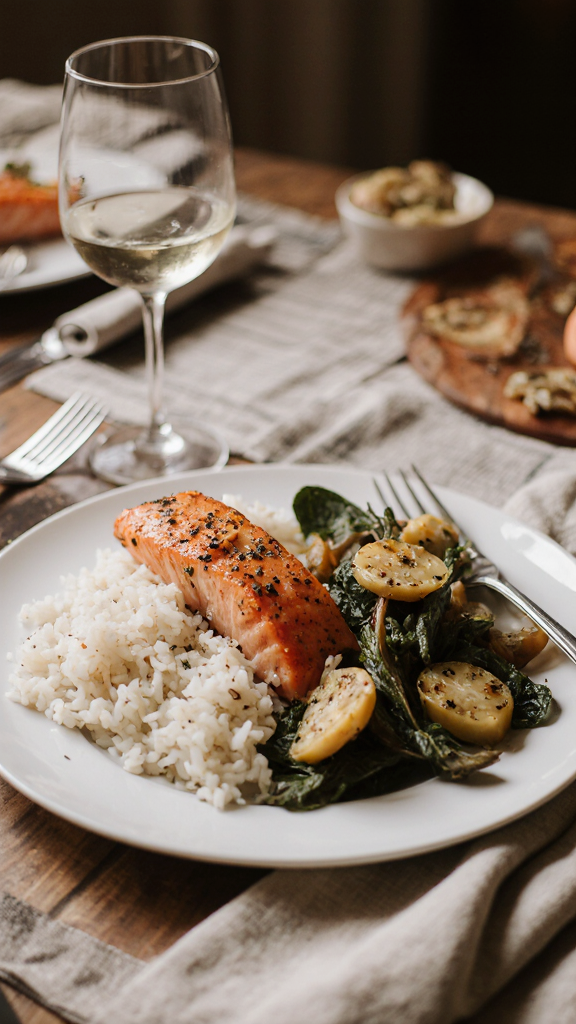
Gut healing is not just about probiotics. Chronic inflammation also damages digestion. Salmon contains omega 3 fatty acids that help calm inflammation in the gut and body.
That can help with:
I used to fear healthy fats because diet culture spent years convincing women that eating fat would somehow ruin our lives. Meanwhile I felt tired, hungry, and cranky constantly. Amazing strategy, truly.
Adding salmon a couple times a week actually helped me feel more balanced and satisfied.
Bake salmon with olive oil, garlic, and lemon. Pair with rice and cooked vegetables for an easy gut friendly dinner.
Takeaway: Salmon provides anti inflammatory fats that support long term digestive healing.
Food matters, but daily habits matter too. Unfortunately your gut notices stress even when you pretend everything is fine while answering emails at midnight.
Here are a few habits that genuinely help:
Rushing meals wrecks digestion. Your stomach is not a garbage disposal.
Digestion works better when your body stays hydrated.
Poor sleep affects gut bacteria balance. Annoying but true.
You do not need perfection. Just less packaged junk overall.
Stress shows up in the gut fast. Walking, journaling, prayer, therapy, or even sitting quietly for ten minutes can help.
Takeaway: Gut healing improves faster when healthy foods combine with better daily habits.
Gut repair takes time, but small changes usually appear first.
You may notice:
For me, the biggest clue was waking up without feeling heavy and inflamed every morning. That constant uncomfortable fullness finally eased up. FYI, that alone felt life changing.
Healing your digestive system does not require perfection. You do not need a fridge full of expensive powders or a 47 step wellness routine that steals your sanity.
Start simple.
Add a few gut healing foods to repair your digestive system consistently. Pay attention to how your body responds. Your gut usually tells the truth faster than any trendy health podcast ever will.
And honestly, feeling comfortable after eating should not feel like a luxury. It should be normal.