Physical Address
304 North Cardinal St.
Dorchester Center, MA 02124
Physical Address
304 North Cardinal St.
Dorchester Center, MA 02124


After dealing with constant bloating and low energy, I simplified my routine with small gut-friendly habits that helped reduce inflammation and finally made me feel normal again.
By 3 pm, my stomach felt like it had its own mood swings. Bloated, uncomfortable, slightly annoyed for no clear reason. I’d eaten what I thought was a normal lunch, nothing wild, yet there I was adjusting my jeans and questioning all my life choices.
If that sounds familiar, you’re not alone. Gut issues creep in quietly. One day it’s mild discomfort, the next it’s constant bloating, low energy, and skin acting up for fun.
I used to ignore it and push through. Turns out, your gut doesn’t like being ignored. Once I started paying attention, things changed. Slowly, not magically, but enough to feel like myself again.
Let’s talk about 8 gut health tips for healing and reducing inflammation that actually work in real life.

Your gut isn’t just about digestion. It’s connected to your immune system, mood, skin, and energy levels.
When your gut is off, everything feels off.
I had at least three of these at any given time. I thought it was normal. It’s not.
Takeaway: A healthy gut supports your whole body, not just digestion.
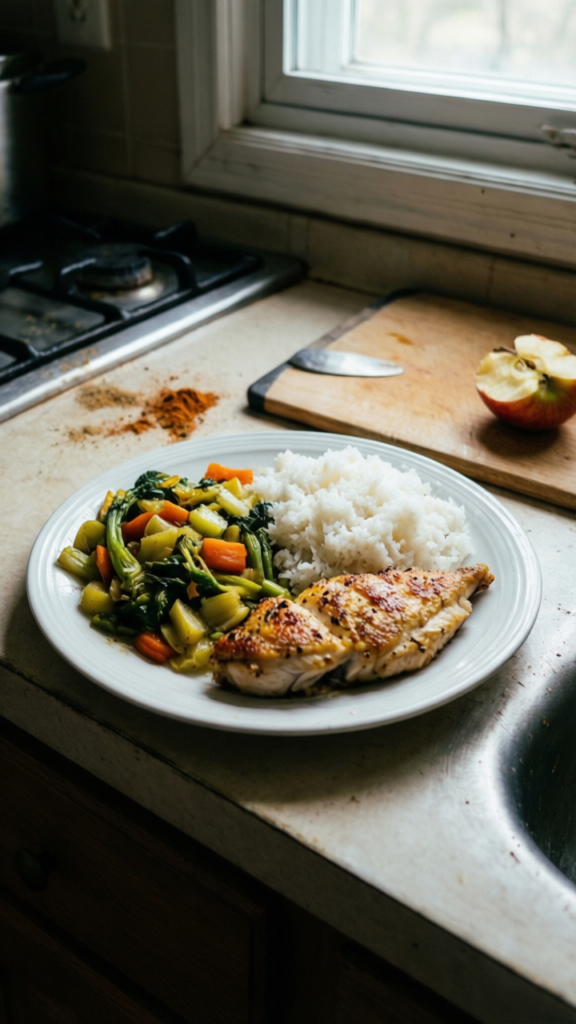
I used to overcomplicate eating. Superfoods, strict plans, random trends. None of it stuck.
What helped was going back to basics.
Less packaged food, fewer mystery ingredients. It sounds boring, but your gut loves boring.
You don’t need perfection. You need consistency.
Takeaway: Whole foods give your gut what it actually needs to heal.
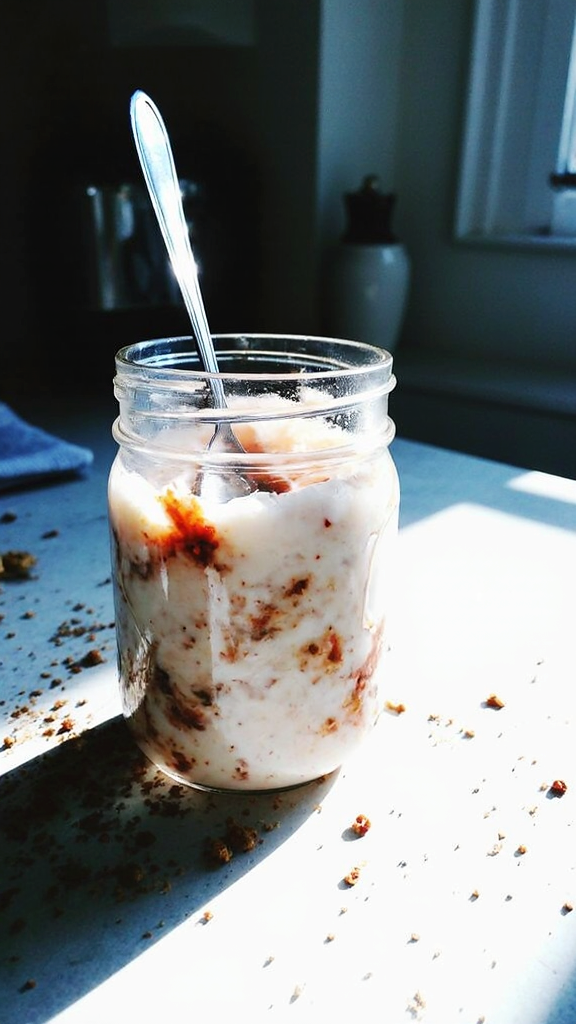
This one took me a while to get right. I went all in at first and felt worse. Not ideal 🙂
Fermented foods introduce good bacteria, but your gut needs time to adjust.
A few spoonfuls a day is enough. More is not always better.
Takeaway: Introduce fermented foods gradually to support healthy gut bacteria.
Sugar feeds the wrong kind of gut bacteria. I learned this the hard way.
I didn’t quit sugar completely. That would last about 48 hours. Instead, I reduced it where it mattered.
Small changes add up faster than strict rules.
Takeaway: Reducing sugar helps rebalance your gut microbiome.

I used to drink coffee and call it hydration. That didn’t end well.
Water helps digestion and keeps everything moving smoothly. Yes, we’re talking about that too.
It’s basic, but it works.
Takeaway: Proper hydration supports digestion and reduces gut stress.
This one annoyed me at first. I wanted a food fix, not a lifestyle lecture.
But stress directly affects your gut. When you’re tense, your digestion slows down.
Nothing fancy, just intentional pauses.
And no, you don’t need to become a meditation expert FYI.
Takeaway: Lower stress levels help your gut function more efficiently.
I used to eat like I was racing someone. Always in a hurry, barely chewing.
Your digestion starts in your mouth. If you rush, your gut has to work harder.
It feels weird at first, then it becomes normal.
Takeaway: Slower eating improves digestion and reduces bloating.

Sleep and gut health are more connected than I expected.
When I sleep poorly, my digestion feels off the next day. More bloating, less energy, more cravings.
No, scrolling until midnight doesn’t count as winding down :/
Takeaway: Quality sleep supports gut repair and reduces inflammation.
This sounds obvious, but most of us ignore it.
I started noticing which foods made me feel good and which didn’t. Not in a restrictive way, just awareness.
Your body gives feedback. You just have to listen.
Takeaway: Awareness helps you make better gut-friendly choices over time.
I didn’t follow all 8 gut health tips for healing and reducing inflammation at once. That would’ve been overwhelming.
I picked two habits and focused on them. Then I added more when I felt ready.
Some days still go off track. That’s normal.
The goal isn’t perfection. It’s progress IMO.
Takeaway: Small, consistent changes lead to lasting gut health improvements.
I made plenty of mistakes before figuring this out.
Your gut needs time to adjust.
They’re hard to maintain and often unnecessary.
Food alone won’t fix everything.
Healing takes time. Be patient.
Takeaway: Avoid extremes and focus on steady, realistic habits.
Improving your gut health doesn’t require a complete life overhaul. It requires better daily choices that support your body.
These 8 gut health tips for healing and reducing inflammation are simple, practical, and doable even with a busy life.
Start small. Stay consistent. Pay attention to how you feel.
Because when your gut feels better, everything else starts to follow.