Physical Address
304 North Cardinal St.
Dorchester Center, MA 02124
Physical Address
304 North Cardinal St.
Dorchester Center, MA 02124


A simple breakdown of how adding more fiber to your meals can stabilize blood sugar, reduce cravings, and make managing insulin resistance feel easier.
I finish a meal that should have been enough. Protein, carbs, even something sweet after. And yet, an hour later, I am back in the kitchen looking for something else.
Not starving. Just not satisfied.
That used to confuse me. I thought I needed more food or more willpower. Turns out, I needed more fiber.
Once I started paying attention to fiber, everything shifted. Less snacking, more stable energy, and meals that actually held me over.
If you are trying to figure out the best diet for insulin resistance, this is where things start to make sense 🙂

Fiber slows digestion. That is the simplest way to think about it.
When food breaks down more slowly, sugar enters your bloodstream at a steadier pace. That means fewer spikes and fewer crashes.
It also helps you feel full longer, which makes a big difference if you are trying to manage weight.
Takeaway: Fiber helps slow digestion, stabilize blood sugar, and keep you full longer.
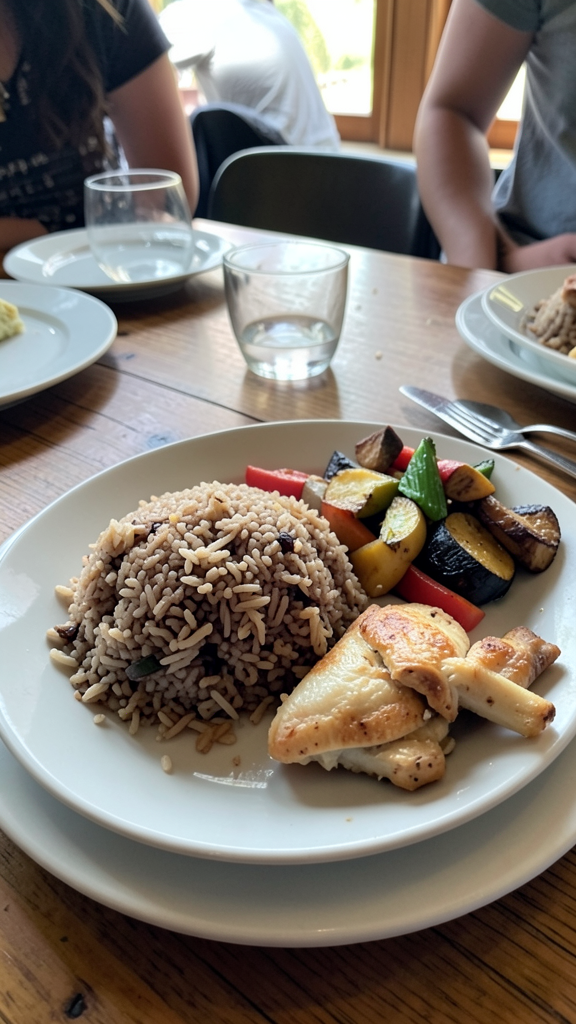
This is the biggest reason fiber matters.
Without enough fiber, carbs hit your system quickly. That leads to a spike, then a crash.
I noticed fewer afternoon crashes once I started adding more fiber to meals.
Takeaway: Fiber helps prevent rapid blood sugar spikes and crashes.

This one feels obvious once you experience it.
Meals with low fiber never seem to last.
Suddenly, you are not thinking about food all the time.
FYI, this alone reduced my random snacking a lot.
Takeaway: Fiber increases satiety and reduces the urge to snack.
I used to focus on eating less.
That approach never lasted.
Adding fiber felt completely different.
It is a quiet shift, but a powerful one.
Takeaway: Fiber supports weight loss by naturally reducing hunger.
This part gets overlooked, but it matters.
Fiber feeds the good bacteria in your gut.
When my digestion improved, everything else felt easier too.
Takeaway: Fiber supports gut health, which plays a role in overall hormone balance.

Cravings used to feel random.
Now I see the pattern.
Low fiber meals led to more cravings.
IMO, this is one of the most noticeable benefits.
Takeaway: Fiber helps reduce cravings by keeping blood sugar steady.
You do not need complicated rules.
Fiber naturally improves your plate.
It does not require a full diet overhaul.
Just small additions.
Takeaway: Adding fiber is one of the simplest ways to improve your diet.
It is not about cutting everything out.
It is about building better meals.
Think protein, healthy fats, and fiber working together.
Nothing fancy. Just balanced.
Takeaway: The best diet for insulin resistance focuses on balance, with fiber playing a key role.
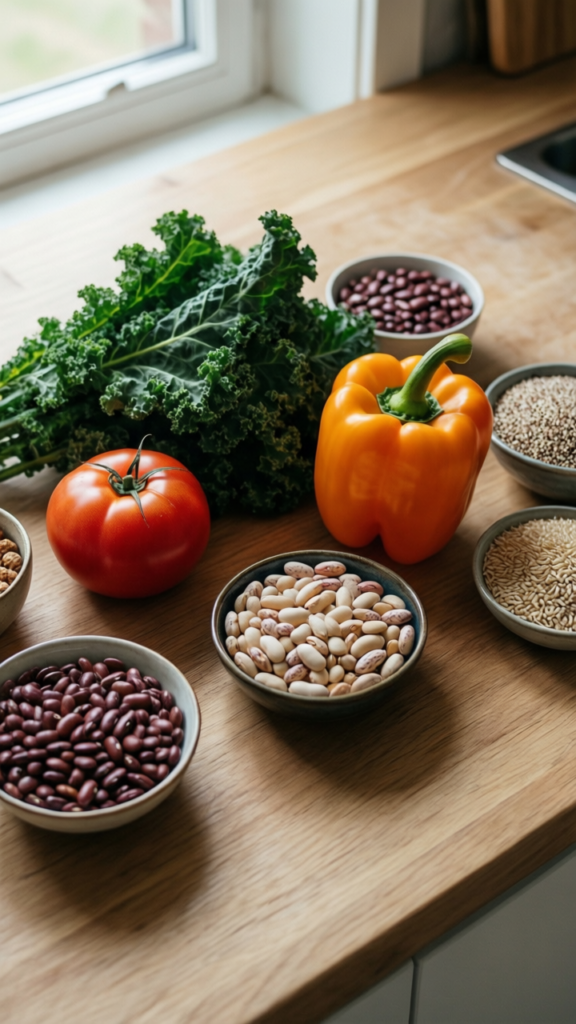
You do not need to track every gram.
Start small.
That is enough to get started.
Consistency matters more than doing it perfectly.
Takeaway: Small changes in fiber intake can make a big difference over time.
The biggest shift was how I felt between meals.
No more constant hunger. No more searching for snacks right after eating.
My energy felt more stable. My mood too.
Food started to feel more predictable, which honestly made life easier.
These 6 reasons show why the best diet for insulin resistance focuses on fiber.
It is simple, practical, and effective.
Start by adding one fiber-rich food to your next meal.
Because when your meals actually keep you full and steady, everything else starts to fall into place.