Physical Address
304 North Cardinal St.
Dorchester Center, MA 02124
Physical Address
304 North Cardinal St.
Dorchester Center, MA 02124


Simple, science-backed habits that help reverse insulin resistance by creating steady routines, balanced meals, and more stable energy throughout the day.
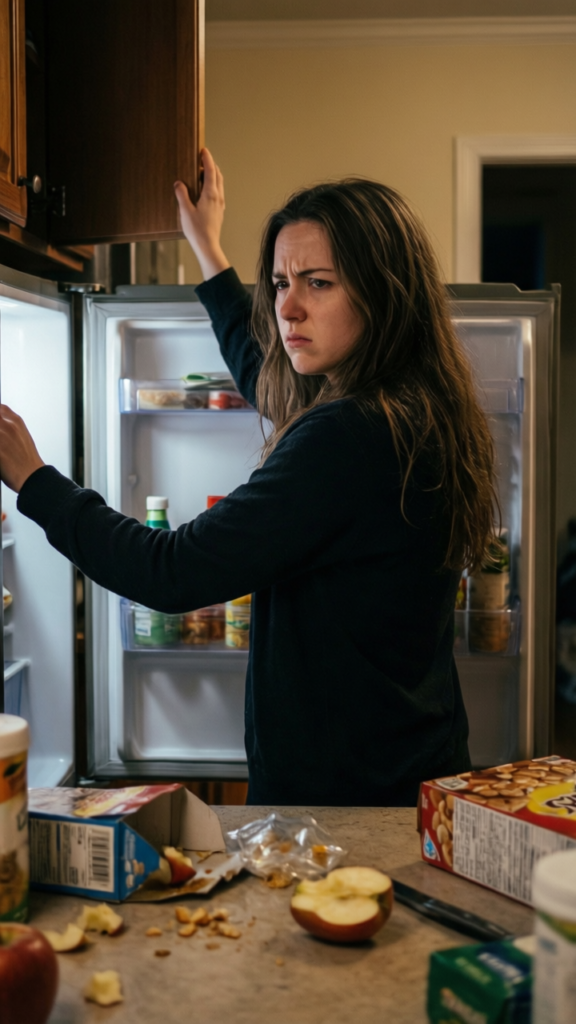
I am standing in the kitchen again, opening and closing cabinets like something new might appear. I already ate, but I still feel off. Not full, not satisfied, just… unsettled.
That feeling builds slowly. Low energy, random cravings, mood swings that make no sense.
It is easy to brush it off as stress or just being busy. But for a lot of us, it is tied to how our body handles blood sugar.
Once I started learning how to reverse insulin resistance with small, steady changes, things finally started to feel manageable 🙂
If you are ready to start, these 8 science-backed ways to start a reverse insulin resistance diet will give you a clear and realistic path.
Insulin resistance happens when your body stops responding well to insulin. That makes it harder to move sugar out of your blood and into your cells.
Over time, this leads to fatigue, cravings, and weight struggles.
The good news is your body responds quickly to consistent habits.
You do not need extreme changes. You need better daily patterns.
Takeaway: Reversing insulin resistance starts with steady habits that support blood sugar control.
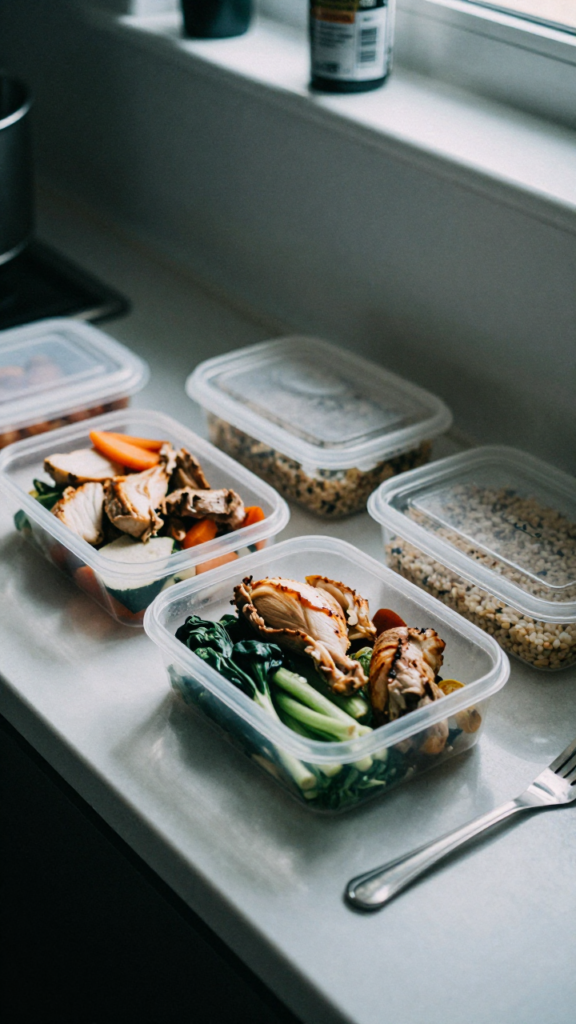
Protein plays a key role in blood sugar balance.
I noticed this almost immediately when I stopped building meals around carbs.
Meals feel more satisfying and last longer.
Takeaway: Protein slows digestion and helps prevent blood sugar spikes.
Cutting all carbs sounds tempting, but it is not realistic for most people.
The focus should be on quality, not elimination.
You still get energy, just without the crash.
Takeaway: Choosing better carbs supports steady blood sugar levels.

This one feels almost too simple, but it works.
A short walk after eating helps your body use glucose more effectively.
You do not need a full workout.
FYI, this is one of the easiest habits to start.
Takeaway: Light movement after meals improves blood sugar control.
Sleep affects how your body handles insulin.
When I sleep poorly, everything else feels harder.
Better sleep makes better choices easier.
Takeaway: Quality sleep improves insulin sensitivity and reduces cravings.
Skipping breakfast or eating only carbs used to be my norm.
It never worked.
This sets the tone for the day.
Takeaway: A balanced breakfast helps prevent early energy crashes.

Stress directly affects blood sugar through cortisol.
I used to ignore this part, but it matters more than I thought.
Nothing complicated.
IMO, small breaks add up.
Takeaway: Lowering stress helps stabilize hormones and blood sugar.
Irregular eating patterns confuse your body.
I used to skip meals, then overeat later.
Your body prefers rhythm.
Takeaway: Consistent meals support stable insulin response.
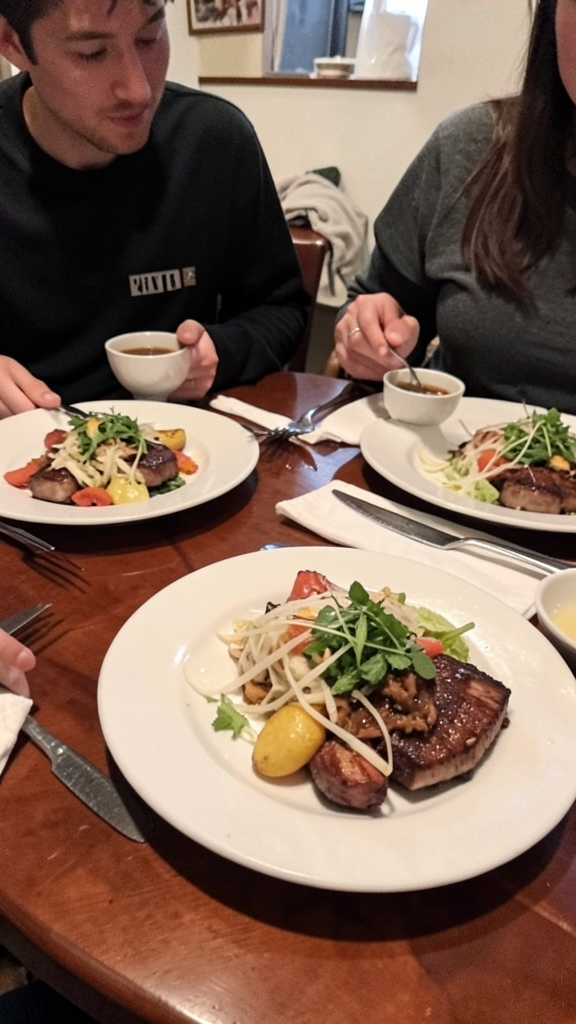
I used to overthink everything. That made it harder to stay consistent.
Now I keep things simple.
Less thinking means better follow-through.
Takeaway: Simplicity makes it easier to maintain healthy habits long term.
It is not a strict plan or a list of rules.
It is a pattern you repeat daily.
Balanced meals, regular timing, simple routines, and small habits that support your body.
Some days go smoothly. Others do not.
But the structure stays.
The biggest difference was how I felt between meals.
No more constant hunger. No more sudden crashes that ruined my focus.
My energy felt more even. My mood too.
That steady feeling made everything easier.
These ways to start a reverse insulin resistance diet are simple, but they work.
Start with one or two habits this week. Let them become part of your routine.
You do not need to fix everything at once. You just need to move in the right direction.
Because when your daily habits support your body, things stop feeling so out of control and start feeling manageable again.