Physical Address
304 North Cardinal St.
Dorchester Center, MA 02124
Physical Address
304 North Cardinal St.
Dorchester Center, MA 02124


A simple, practical guide to building an insulin resistance-friendly food list that helps stabilize your energy, reduce cravings, and make daily meals easier.
I stand in the grocery aisle staring at labels like they are written in another language. Low fat, high fiber, no sugar added. It all sounds healthy until I get home, eat it, and still feel tired and hungry an hour later.
That cycle gets old fast.
If you are dealing with insulin resistance, food choices matter more than you expect. Not in a strict, stressful way. More in a steady, practical way that actually fits real life.
Once I figured out what foods to keep on hand, everything became easier. Fewer crashes, fewer cravings, and way less guesswork 🙂
If you are building your routine, these 15 must-have items for your insulin resistance diet food lists will give you a strong, simple foundation.

Insulin resistance means your body has a harder time managing blood sugar. When you eat foods that spike it quickly, your body works overtime.
That leads to energy crashes, cravings, and weight struggles.
The goal is not to avoid carbs or eat perfectly. It is to choose foods that digest slowly and keep blood sugar stable.
Takeaway: Focus on foods that support steady blood sugar to improve energy and reduce cravings.
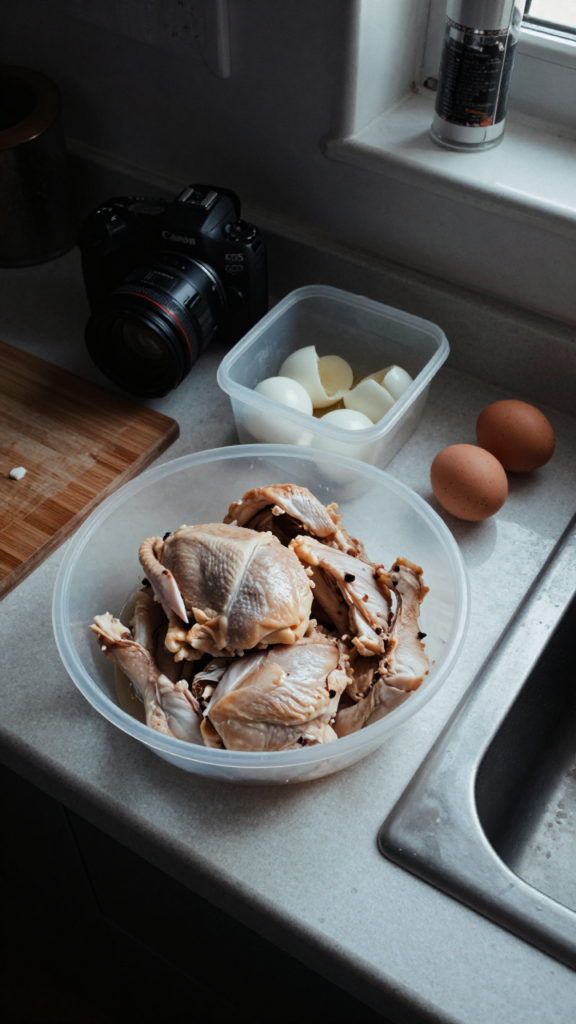
Protein is your best friend here. It slows digestion and helps prevent blood sugar spikes.
Eggs are simple, affordable, and quick to prepare.
I rely on them for breakfast or even dinner when I have no energy left.
Takeaway: Eggs provide protein and healthy fats to keep you full longer.
Chicken is easy to cook in batches and use throughout the week.
It works in salads, bowls, or quick stir fries.
Takeaway: Lean protein helps stabilize blood sugar and reduce hunger.
This is one of my go-to snacks.
It is high in protein and easy to pair with fruit or nuts.
Takeaway: Greek yogurt supports fullness and balanced snacking.
If you prefer plant-based options, tofu is a solid choice.
It absorbs flavor well and works in many dishes.
Takeaway: Plant-based proteins can support blood sugar balance too.
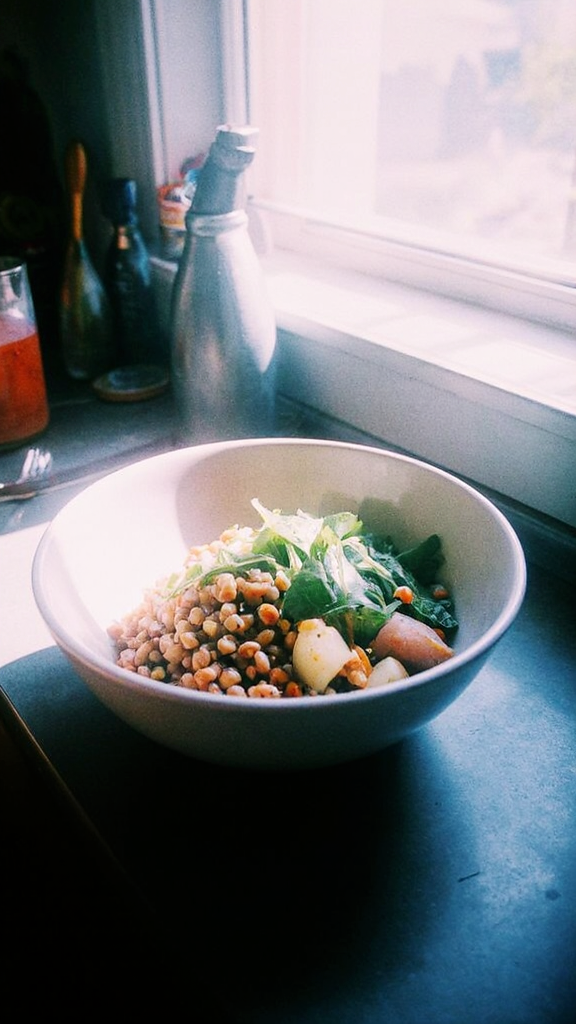
Fiber slows how quickly sugar enters your bloodstream. That matters more than you think.
Oats are a great breakfast option when paired with protein.
They keep you full and support steady energy.
Takeaway: Oats provide fiber that helps regulate blood sugar.
These are affordable and filling.
They combine fiber and protein, which is a strong combination.
Takeaway: Legumes support digestion and stable energy levels.
Spinach, kale, and similar greens are easy to add to meals.
They do not spike blood sugar and add nutrients.
Takeaway: Leafy greens support overall health without affecting blood sugar.
Berries are lower in sugar than many fruits.
They also contain fiber and antioxidants.
Takeaway: Berries offer a sweet option without major blood sugar spikes.
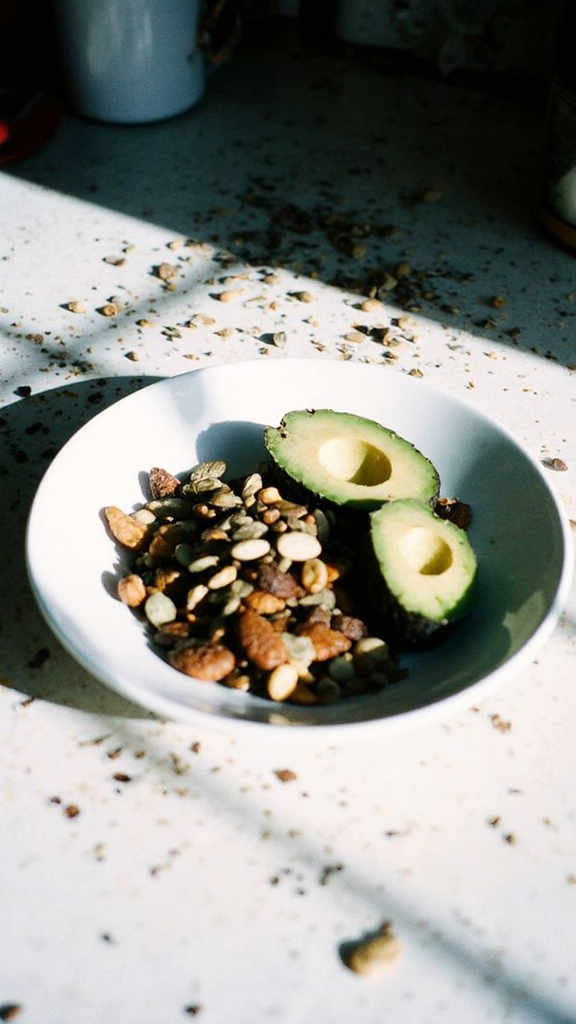
Fats help slow digestion and keep you satisfied.
They also support hormone health.
Avocado adds creaminess and healthy fats to meals.
I add it to toast, salads, or bowls.
Takeaway: Healthy fats help reduce cravings and improve satiety.
Almonds, walnuts, chia seeds, and flax seeds are all useful.
They are easy to snack on or add to meals.
Takeaway: Nuts and seeds provide fat, fiber, and protein.
This is a simple upgrade for cooking and salads.
It supports heart health and adds flavor.
Takeaway: Olive oil is a healthy fat that supports balanced meals.
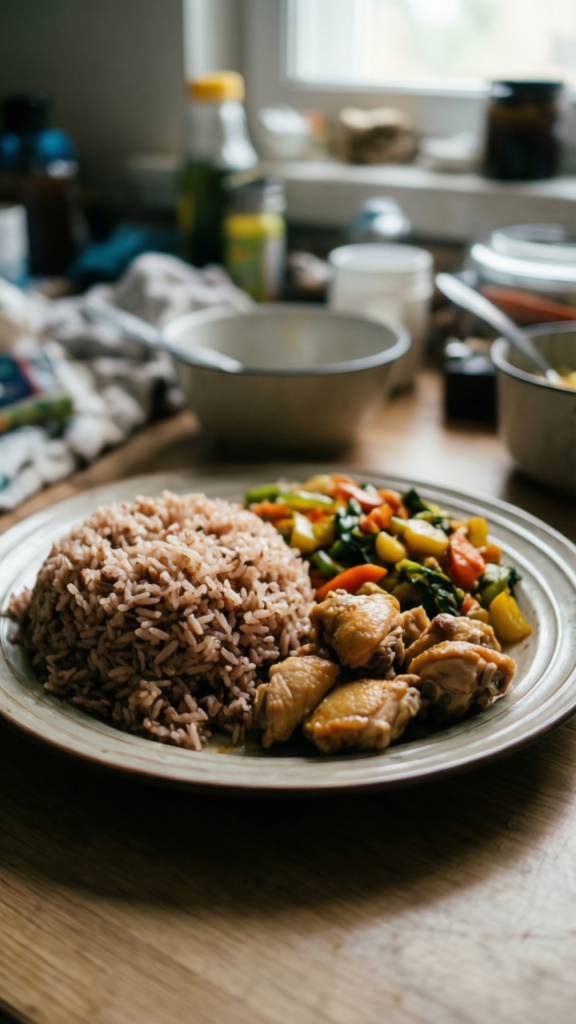
Carbs are not the enemy. The type and portion matter.
These digest slower than white rice.
They provide more nutrients and fiber.
Takeaway: Whole grains support steady energy levels.
Sweet potatoes are more filling than regular potatoes.
They provide fiber and nutrients.
Takeaway: Choose complex carbs that digest slowly.
These are small additions, but they help round out your meals.
Adding a small amount to meals may help with blood sugar response.
I use it in dressings or diluted in water.
Takeaway: Small additions can support better blood sugar control.
This spice is easy to add to oatmeal, yogurt, or drinks.
It may help improve insulin sensitivity.
Takeaway: Simple ingredients can support overall balance.
Having the right foods is one thing. Using them consistently is another.
I used to buy healthy foods and still end up eating something else because I did not plan.
You do not need variety every day. You need consistency.
FYI, fewer decisions make it easier to stay on track.
Takeaway: A simple, repeatable food list makes healthy eating easier.
The biggest shift was my energy.
No more mid-day crashes that made me want to lie down. Fewer cravings that felt impossible to ignore.
I also stopped overthinking every meal. That alone reduced stress.
It was not about being perfect. It was about having the right options available.
These 15 must-have items for your insulin resistance diet are not complicated. They are basic foods that support your body in a steady way.
Start by adding a few of these to your routine. Build from there.
You do not need to change everything overnight. You just need to make better choices more often.
Because when your meals support stable blood sugar, everything else starts to feel a little easier IMO.