Physical Address
304 North Cardinal St.
Dorchester Center, MA 02124
Physical Address
304 North Cardinal St.
Dorchester Center, MA 02124


A simple, honest guide to eating in a way that supports your hormones, steadies your energy, and makes weight management feel less like a daily fight.
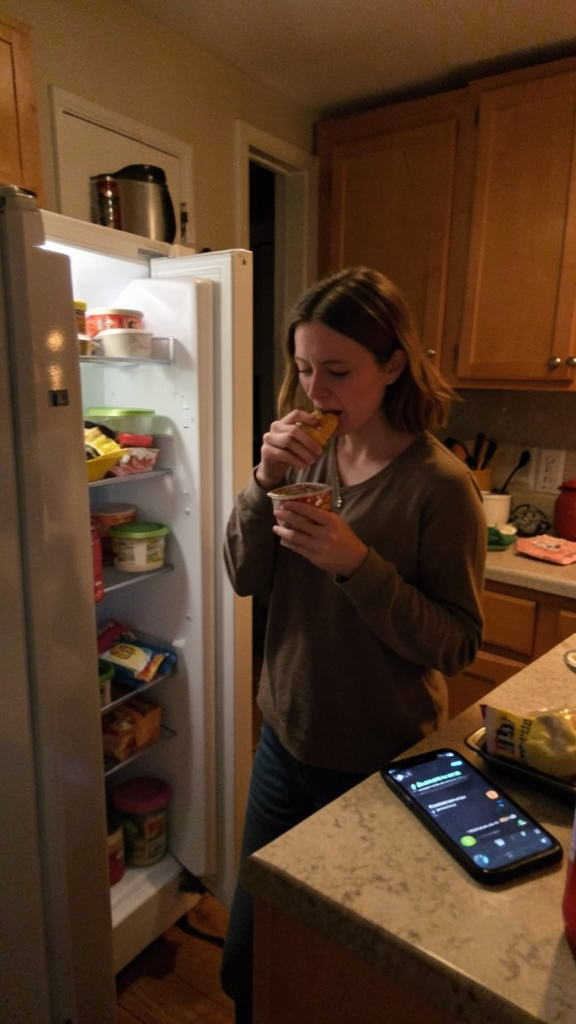
Dinner is ready, but I am not even hungry. Then an hour later, I am standing in the kitchen eating random snacks straight from the fridge, wondering how I got here again. My energy feels off, my mood is unpredictable, and the scale does whatever it wants.
That used to be my loop.
It was not about willpower. It was about hormones. Once I started adjusting how I eat, not just what I eat, things slowly settled. Weight felt less stubborn. My mood stopped swinging so hard. Life felt more manageable, which honestly matters more than a number on the scale 🙂
If you are trying to balance hormone health and weight management, these are the 12 tips that actually made a difference.
Hormones control hunger, fat storage, metabolism, and even cravings. When they are out of sync, weight loss feels like pushing a rock uphill.
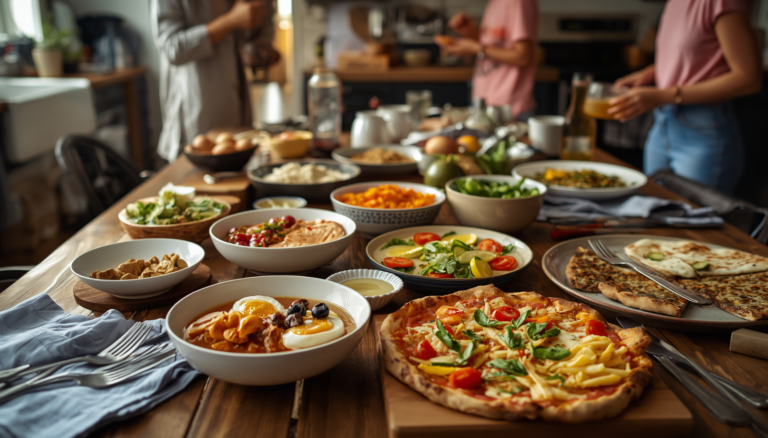
Food plays a direct role in this. Every meal either supports balance or adds stress.
You do not need a perfect diet. You need a consistent one.
Takeaway: Stable eating habits support hormone balance, which makes weight management easier and more realistic.
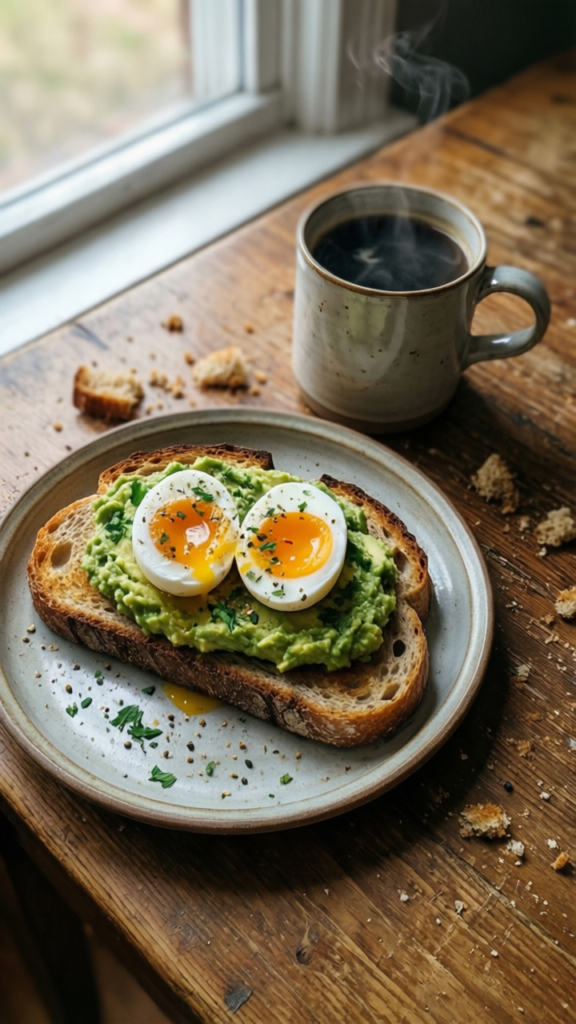
I learned this the hard way after too many carb-heavy breakfasts that left me starving by mid-morning.
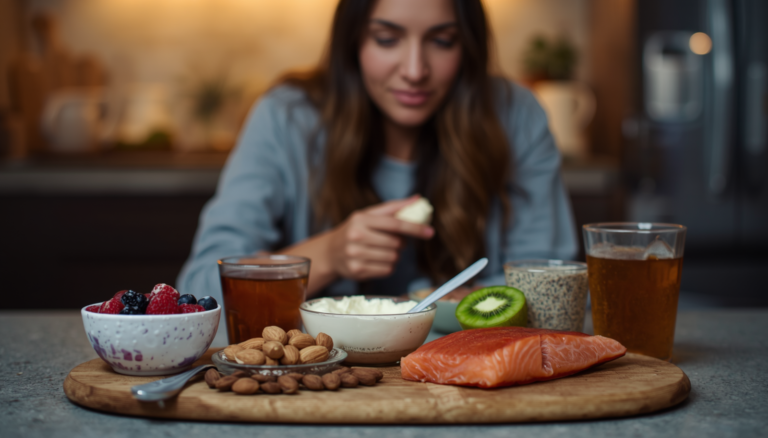
Protein helps regulate hunger hormones and keeps blood sugar steady.
You will feel the difference within days. Less snacking, fewer crashes.
Takeaway: Build meals around protein to stay full and avoid overeating.
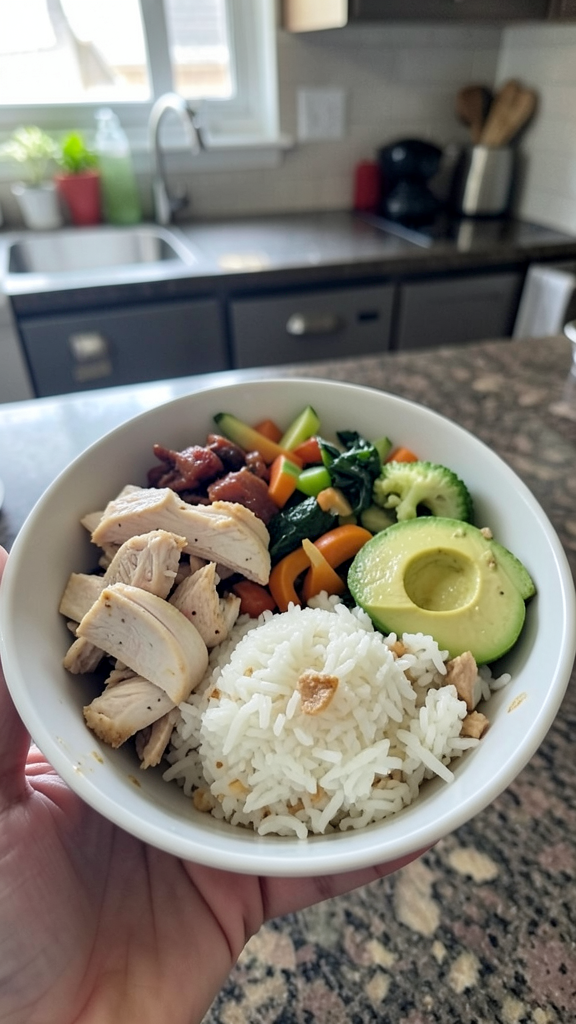
This one changed everything for me.
A meal that only includes carbs will spike your blood sugar. Then comes the crash, and suddenly you need sugar again.
Think simple. Chicken, rice, vegetables, and a drizzle of olive oil.
Takeaway: Balanced meals prevent energy crashes and reduce cravings.
Skipping meals sounds like a shortcut to weight loss. It is not.
It increases stress hormones and leads to overeating later. I used to skip breakfast and then eat double at lunch. Not exactly a winning strategy.
Takeaway: Regular meals support stable hormones and better portion control.
There was a phase where I feared fats. That phase did not go well.
Your body needs fat to produce hormones. Without it, things start to feel off fast.
Adding fats also makes meals more satisfying.
Takeaway: Healthy fats are essential for hormone production and satiety.
I used to swing between eating sugar all day and cutting it completely. Neither worked.
Now I aim for balance.
You do not need to remove sugar entirely. You just need to control it.
Takeaway: Manage sugar intake to avoid insulin spikes and energy crashes.
Fiber is not exciting, but it works.
It helps digestion, supports gut health, and keeps blood sugar steady. It also keeps you full longer.
I noticed fewer cravings once I increased fiber. Not magic, just consistency.
Takeaway: Fiber supports gut health and helps control hunger.
Your body likes rhythm.
Eating at random times confuses your hunger signals. I used to eat lunch at 12 one day and 3 the next. My energy showed it.
Takeaway: Consistent meal timing helps regulate hunger hormones.
Sometimes hunger is just thirst. I hate that this is true, but it is.
When I started drinking more water, my random cravings dropped.
Takeaway: Proper hydration supports metabolism and reduces false hunger signals.
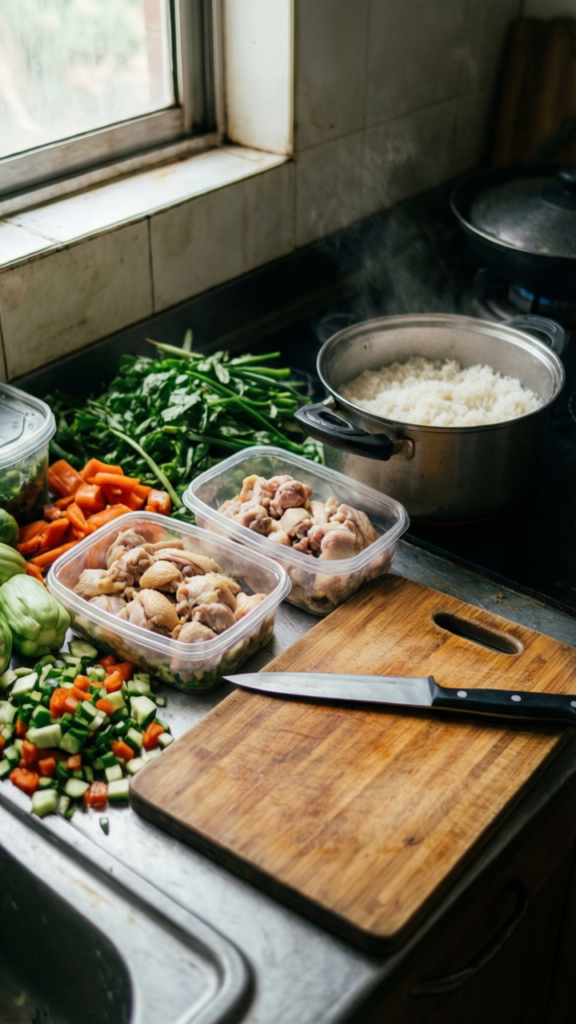
When I do not plan, I end up eating whatever is easiest. That usually does not help my hormones or my weight.
Meal planning removes that daily decision stress.
No need to overcomplicate it.
Takeaway: Planning meals reduces stress and helps you stay consistent.
I love coffee. I really do.
But using it as a replacement for food backfires. It spikes cortisol and can mess with your appetite.
You will feel more stable throughout the day.
Takeaway: Use coffee wisely to avoid disrupting hormone balance.
This sounds obvious, but most of us ignore it.
I used to eat too fast, too distracted, or not at all until I was starving. Then I wondered why I felt off.
IMO, this takes practice, but it is worth it.
Takeaway: Paying attention to hunger cues prevents overeating and supports balance.
This might be the hardest part.
Hormones do not adjust overnight. You will not feel perfect in a week.
Some days will go well. Others will not. That is normal.
Takeaway: Progress comes from consistency, not perfection.
On a good day, I eat balanced meals, drink enough water, and feel steady.
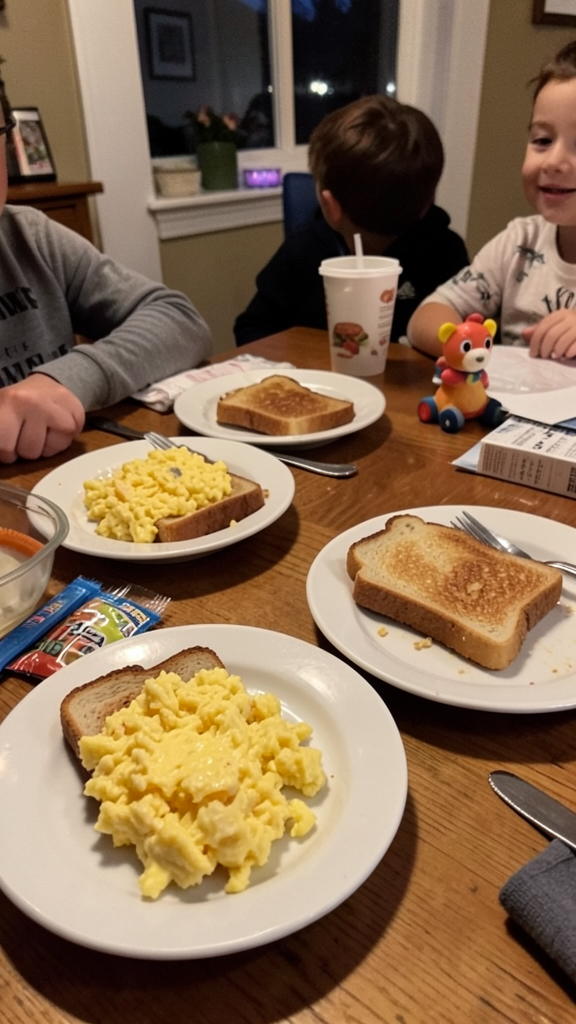
On a busy day, dinner might be eggs and toast, and I call it a win. The difference now is I do not spiral after that.
My weight feels more stable. My energy does not crash as often. My mood is easier to manage, which my family appreciates more than anything.
This is not about doing everything right. It is about doing enough things right most of the time.
These expert diet tips for hormone health and weight management are not complicated. They are simple habits done consistently.
Start with one or two. Build from there. Let your routine grow naturally instead of forcing it.
You do not need a perfect plan. You need one that works on your worst days, not just your best.
Because that is where real change happens.