Physical Address
304 North Cardinal St.
Dorchester Center, MA 02124
Physical Address
304 North Cardinal St.
Dorchester Center, MA 02124


Simple daily habits like better sleep, balanced meals, and stress management can quietly transform your hormone health and help you feel like yourself again.
You wake up tired even after a full night of sleep. Your mood feels off for no clear reason. Coffee helps for an hour, then you crash harder. By mid-afternoon, you are snapping at people you actually like. Sound familiar?
That was me on a random Tuesday, trying to juggle work deadlines, a messy kitchen, and a kid asking for snacks every five minutes. I blamed stress, then sleep, then my schedule. But the truth was simpler and more annoying. My daily habits were quietly messing with my hormones.
Once I started paying attention, small changes made a big difference. Nothing extreme. No complicated routines. Just consistent habits that actually support how your body works.
Here are the 10 daily habits for optimal hormone health that made the biggest impact for me.

Before coffee, before checking your phone, get light in your eyes. Step outside or sit near a window for at least 5 to 10 minutes.
This helps regulate your circadian rhythm, which controls hormones like cortisol and melatonin. When your internal clock is off, everything else follows.
I used to scroll emails in bed first thing. Now I step onto the balcony with my coffee. Same caffeine, better results.
Takeaway: Morning light resets your hormone clock and improves energy, mood, and sleep later.
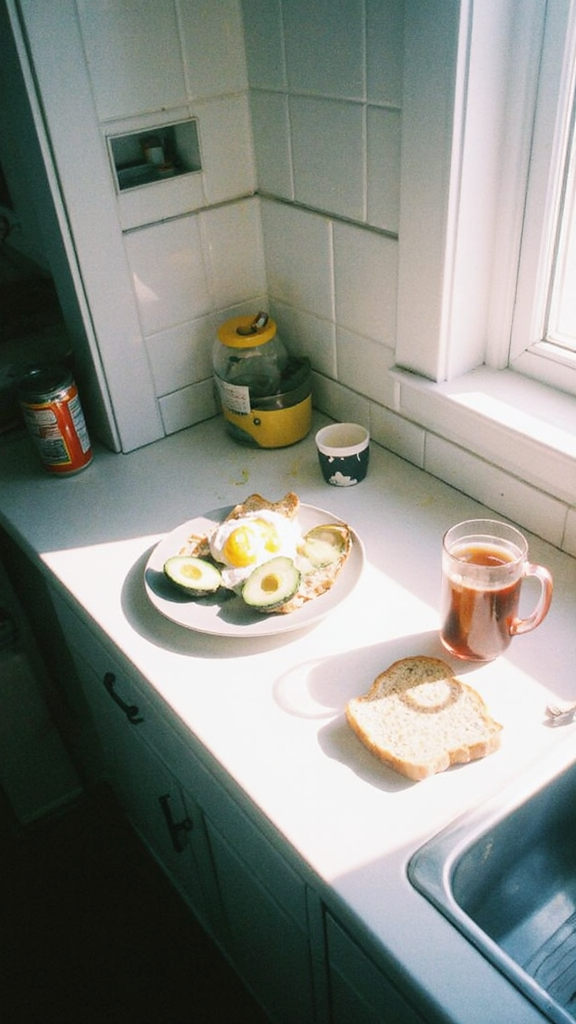
Skipping breakfast or grabbing something sugary used to be my norm. Then I wondered why I felt shaky and hungry by 10 AM.
Protein helps stabilize blood sugar and supports hormones like insulin and ghrelin. Aim for at least 20 to 30 grams in your first meal.
Simple options:
It is not about perfection. It is about avoiding that blood sugar rollercoaster.
Takeaway: A protein-rich breakfast sets the tone for balanced hormones all day.

Stress is not just mental. It directly affects cortisol, which then messes with everything from sleep to weight to mood.
I used to think I needed an hour of meditation. I did not. I needed consistency.
Now I rotate between:
Nothing fancy, just something that tells my body to calm down.
Takeaway: Daily stress management keeps cortisol in check and protects your overall hormone balance.

Exercise is great for hormones like insulin and endorphins. Overtraining is not.
There was a phase where I thought more workouts meant faster results. Instead, I got exhausted, irritable, and stuck.
Now I keep it simple:
Some days are lighter, and that is fine.
Takeaway: Consistent movement supports hormone health, but recovery matters just as much.
Because honestly, it kind of does.
Sleep affects nearly every hormone in your body. Poor sleep increases cortisol, disrupts insulin, and throws off hunger hormones.
What actually helped me:
Not perfect every night, but way better than before.
Takeaway: Better sleep equals better hormone balance. No hack beats this.
This one is not exciting, but it works.
Too much sugar spikes insulin and can lead to crashes, cravings, and long-term imbalances. Processed foods do not help either.
I did not cut everything out. That never lasts. I just made small swaps:
Progress over perfection, always.
Takeaway: Lower sugar intake helps stabilize insulin and reduces hormone chaos.
It sounds basic, but dehydration affects how your body functions at every level.
When I forget to drink water, I feel sluggish and oddly hungry. That is your body getting confused.
What works for me:
Yes, it is boring advice. It is also effective 🙂
Takeaway: Proper hydration supports metabolism, energy, and hormone function.
For a long time, I avoided fats because I thought they were the problem. Turns out, they are part of the solution.
Healthy fats are essential for hormone production, especially for women.
Good sources include:
Adding these back into my meals made me feel more satisfied and less snacky.
Takeaway: Healthy fats provide the building blocks your hormones need to function properly.
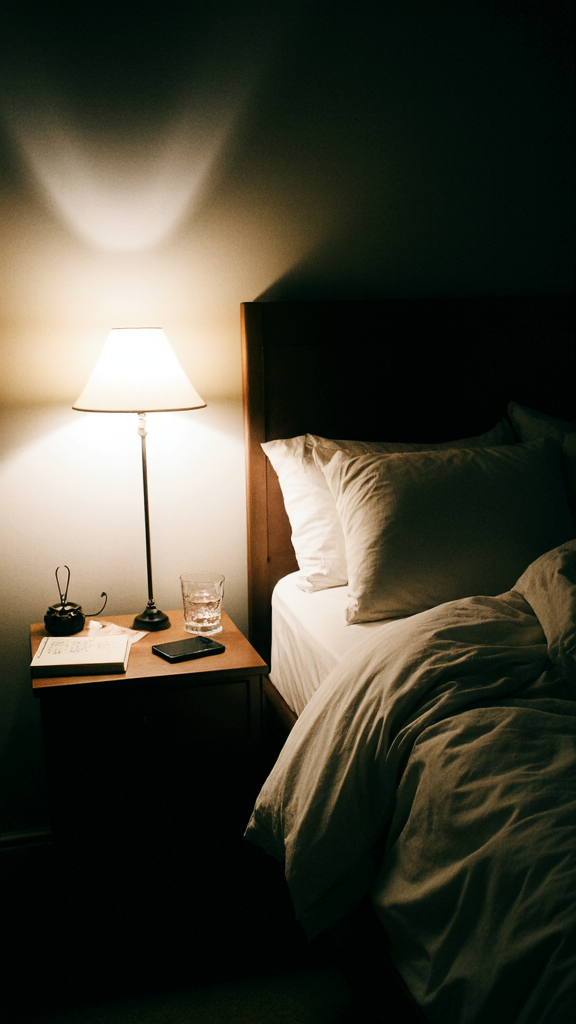
I love coffee. I still drink it daily. But I had to get real about how much and when.
Too much caffeine can spike cortisol and mess with sleep. And then you wake up tired and drink more coffee. Great cycle, right?
What helped:
Small tweak, big difference.
Takeaway: Moderate caffeine intake keeps cortisol stable and protects your sleep.
Your body loves predictability. Hormones respond well to patterns.
When my schedule was all over the place, everything felt harder. Energy, focus, even my mood.
Now I try to keep consistent:
Life is not always neat, especially with a kid. But having a loose structure helps more than you think.
Takeaway: Consistency in daily habits supports a stable internal rhythm and better hormone health.
Here is the thing. None of these habits work in isolation.
You cannot sleep poorly, eat sugar all day, skip movement, and expect one green smoothie to fix everything. I tried. It did not work, FYI.
Hormone health is about patterns. Small daily actions that add up over time.
When you:
Your body starts to cooperate instead of fight you.
And honestly, that is the goal.
Some days, I still mess this up. I skip workouts. I eat whatever is fastest. I stay up too late finishing work.
That does not erase progress.
The difference now is awareness. I notice when I feel off, and I know what to adjust. That alone is powerful.
You do not need a perfect routine. You need a realistic one that fits your life.
Hormone health is not about extreme diets or complicated plans. It is about simple, repeatable habits that support your body every day.
Start with one or two changes. Build from there. Give it time.
Because feeling energized, stable, and like yourself again is not some distant goal. It is the result of what you do daily.
And trust me, your future self will notice the difference.