Physical Address
304 North Cardinal St.
Dorchester Center, MA 02124
Physical Address
304 North Cardinal St.
Dorchester Center, MA 02124


Learn how to reset your circadian rhythm in just 48 hours after a long flight with simple, practical habits that help you beat jet lag and feel like yourself again faster.
You finally get to your hotel. Your body feels like it is 3 AM, but the clock says 7 PM. You are tired and wired at the same time, and somehow hungry for a full meal and a nap.
That weird fog is not just you. Almost everyone hits this wall after a long flight. The first time it happened to me, I thought I could just sleep it off. That plan failed fast.
If you want to know how to reset circadian rhythm in 48 hours after a long flight, you need a smarter approach. Not perfect. Just intentional.
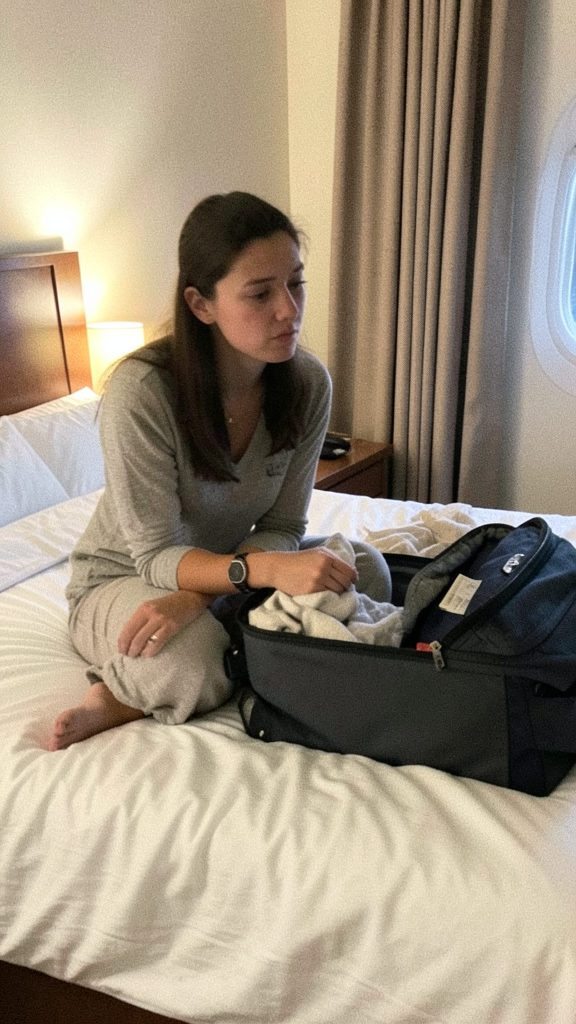
Your circadian rhythm runs on a schedule based on light, food, and routine.
A long flight throws all of that off at once.
Your body gets confused. It does not know when to feel awake or sleepy.
I used to fight this by sleeping whenever I felt tired. That made things worse.
Takeaway: Jet lag is a timing problem, not just a sleep problem.
You do not need a week to fix your sleep. You need two focused days.
The goal is simple. Give your body clear signals about the new time zone.
Everything you do in the next 48 hours should support those.
Takeaway: Consistency beats comfort when resetting your rhythm.
This is the hardest day, but also the most important.
You will feel off. That is normal.

As soon as you arrive, get outside.
Light is your strongest tool.
I once dragged myself outside after a long flight and sat on a bench half awake. It felt pointless at the time. It worked later.
Takeaway: Sunlight tells your brain you are in a new time zone.
This part is brutal, not going to lie.
You will want to nap. Resist it if you can.
I learned this the hard way after a 2-hour nap that destroyed my entire night :/
Takeaway: Staying awake helps your body shift faster.
Even if you are not hungry, eat something small.
Food timing matters more than appetite here.
Your body uses meals as time markers.
Takeaway: Eating at the right time helps reset your internal clock.

You do not need a workout. Just move.
Movement helps reduce fatigue and improve sleep later.
Takeaway: Light activity helps your body adjust faster.
Your goal is to sleep at a normal local time.
You might fall asleep fast or struggle. Either way, stick to the schedule.
Takeaway: End your day like a local, even if you do not feel like one.
Day 2 is where things start to feel better.
Not perfect, but manageable.
Even if you slept badly, get up.
No snoozing into your old time zone.
This step matters more than how well you slept.
Takeaway: Your wake-up time controls your rhythm more than your bedtime.
Do the same thing as Day 1.
Consistency is key here.
This reinforces the new schedule.
Takeaway: Morning light locks in your new rhythm.
Eat breakfast, lunch, and dinner at normal times.
Even if your appetite feels off.
Your body starts to adapt when patterns repeat.
Takeaway: Regular meals strengthen your new time schedule.
Now you can do a bit more.
Nothing intense. Just enough to feel active.
I usually go for a walk with coffee. Simple and effective 🙂
Takeaway: Movement boosts energy and supports better sleep.

Evenings can make or break your progress.
This is where discipline matters.
Takeaway: A calm evening leads to deeper sleep.
Jet lag gets worse when you send mixed signals.
I have made all of these mistakes at least once.
These feel good in the moment. They delay your reset.
Takeaway: Avoid habits that confuse your internal clock.
If you want something simple to follow, use this.
You do not need perfection. You need consistency.
Sometimes your body needs a bit more time.
That does not mean you failed.
Most people feel much better by day 3.
IMO, the biggest mistake is giving up too early.
Takeaway: Your body adjusts if you keep giving it clear signals.
Learning how to reset circadian rhythm in 48 hours after a long flight is not about forcing sleep.
It is about guiding your body with the right cues at the right time.
Light, food, and movement do most of the work.
Next time you land and feel completely out of sync, do not guess. Follow a simple plan.
Give your body two focused days, and it will catch up faster than you expect.