Physical Address
304 North Cardinal St.
Dorchester Center, MA 02124
Physical Address
304 North Cardinal St.
Dorchester Center, MA 02124

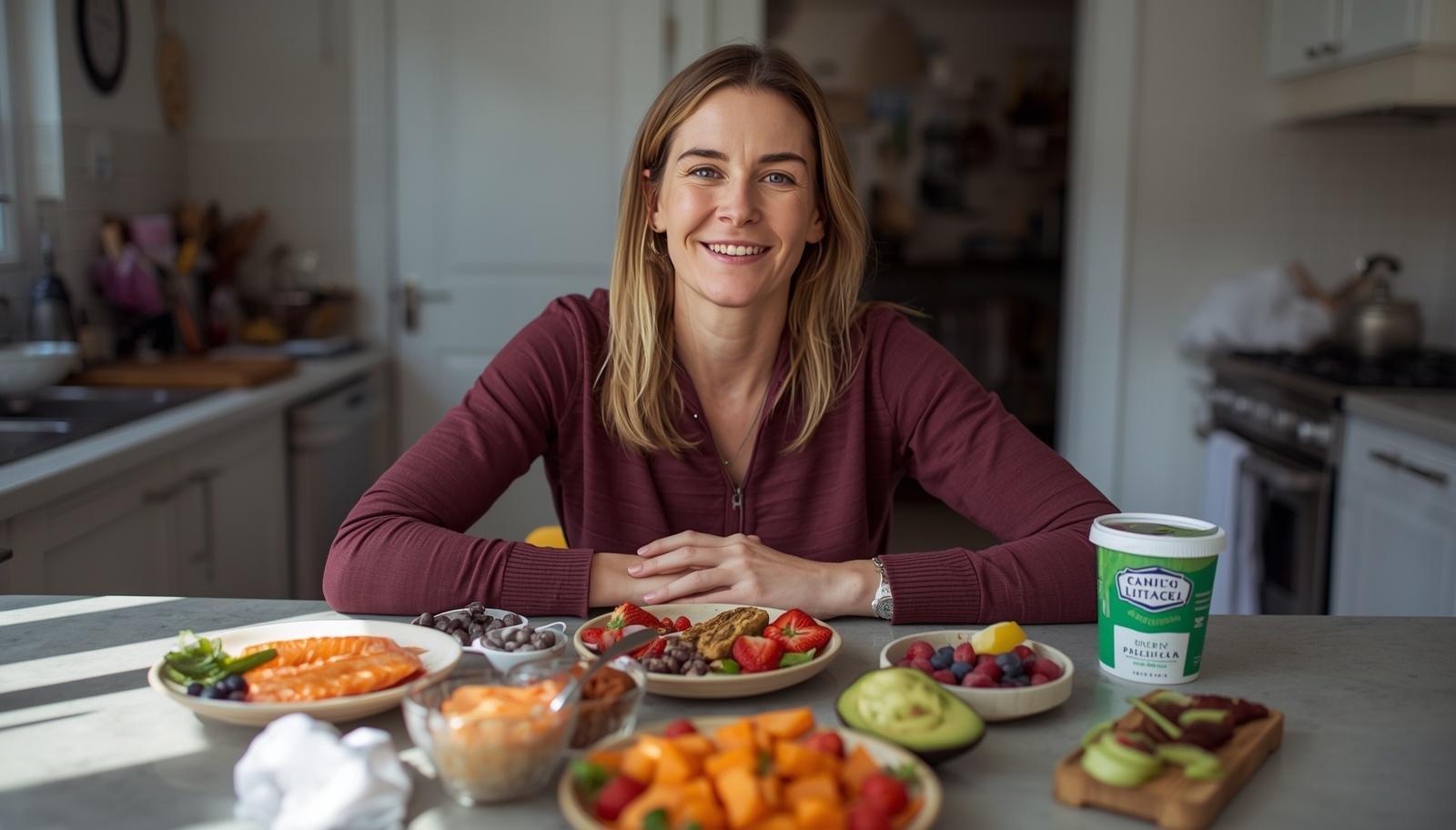
These beginner-friendly foods make cycle syncing simple by helping you support your hormones, energy, and cravings naturally throughout every phase of your cycle.
You open the fridge and stare for a second longer than usual. Nothing looks right. Yesterday you wanted something light and fresh. Today you want carbs, chocolate, and a nap.
It feels random, but it is not.
I used to think my cravings meant I had zero discipline. Turns out my body was just asking for different support at different times of the month. Once I stopped fighting it, everything felt easier.
If you are new to this, these 10 Beginner-Friendly Foods for a Cycle Syncing Diet will help you work with your body instead of against it.

Cycle syncing means adjusting your habits based on the four phases of your menstrual cycle.
Each phase comes with different energy levels, hormone shifts, and nutritional needs.
You do not need a complicated plan. You just need to understand what your body needs more of during each phase.
Takeaway: Your body is not inconsistent. It is responding to hormonal changes.
Leafy greens support your body during the menstrual phase.
They are rich in iron, which helps replenish what you lose during your period.
I used to skip greens when I felt tired. That made things worse.
Takeaway: Leafy greens help restore energy during your period.
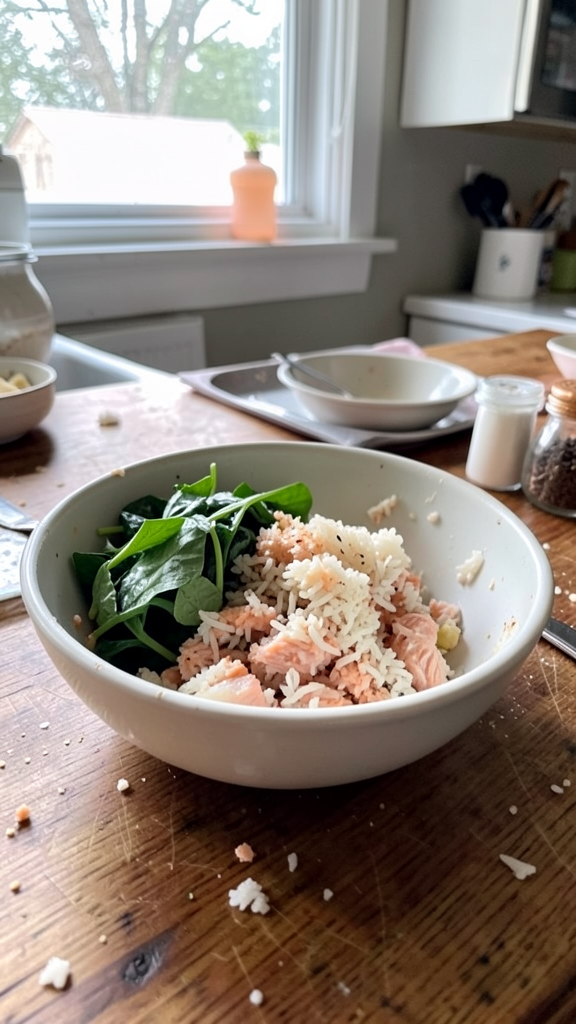
Salmon supports hormone balance and reduces inflammation.
It is especially helpful during the luteal phase when your body feels more sensitive.
I notice fewer mood swings when I include salmon regularly.
Takeaway: Healthy fats support hormone stability.
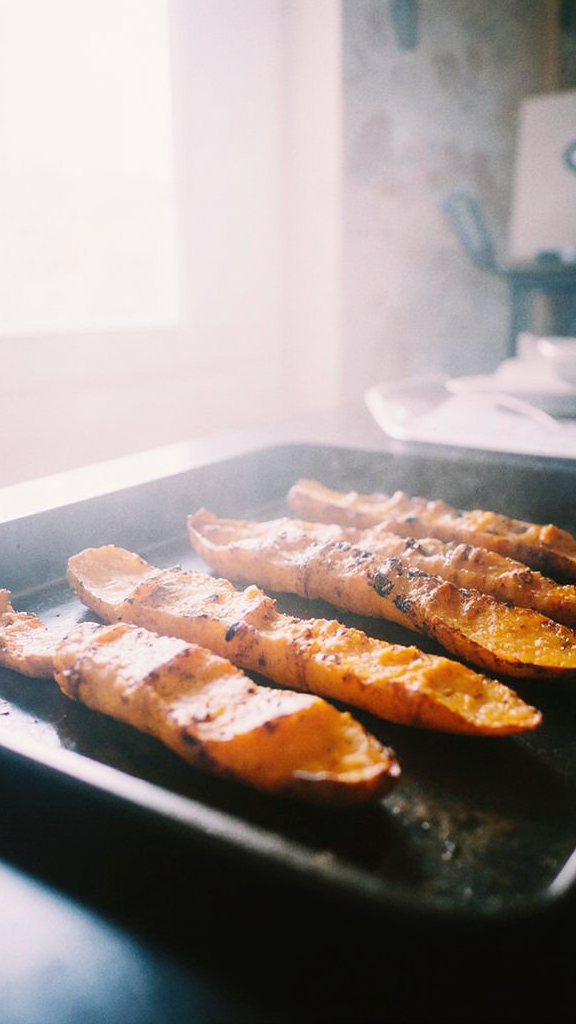
Sweet potatoes provide slow-digesting carbs.
They help stabilize energy and reduce cravings.
This became my go-to during the luteal phase when cravings hit hard.
Takeaway: Complex carbs help balance blood sugar and mood.
Eggs are packed with protein and healthy fats.
They support energy during the follicular phase when your body feels more active.
They are simple, affordable, and filling.
Takeaway: Protein helps sustain energy throughout the day.
Berries are rich in antioxidants.
They support skin and reduce inflammation.
I like them during the ovulatory phase when I feel lighter and want fresh foods.
Takeaway: Antioxidants support overall hormonal health.
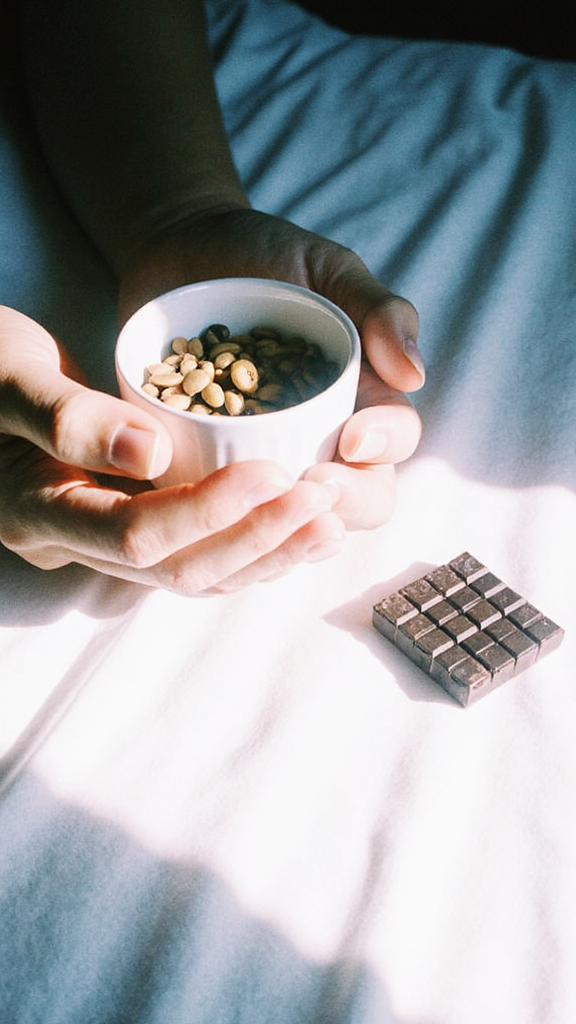
Pumpkin seeds contain zinc.
Zinc plays a role in hormone regulation and skin health.
Small habit, big impact.
Takeaway: Zinc supports hormone balance and recovery.
Brown rice provides steady energy.
It helps prevent crashes and supports digestion.
I rely on this when I need something grounding.
Takeaway: Whole grains support stable energy levels.
Avocados are rich in healthy fats.
They help support hormone production and keep you full longer.
Also, they make everything taste better 🙂
Takeaway: Healthy fats are essential for hormone health.
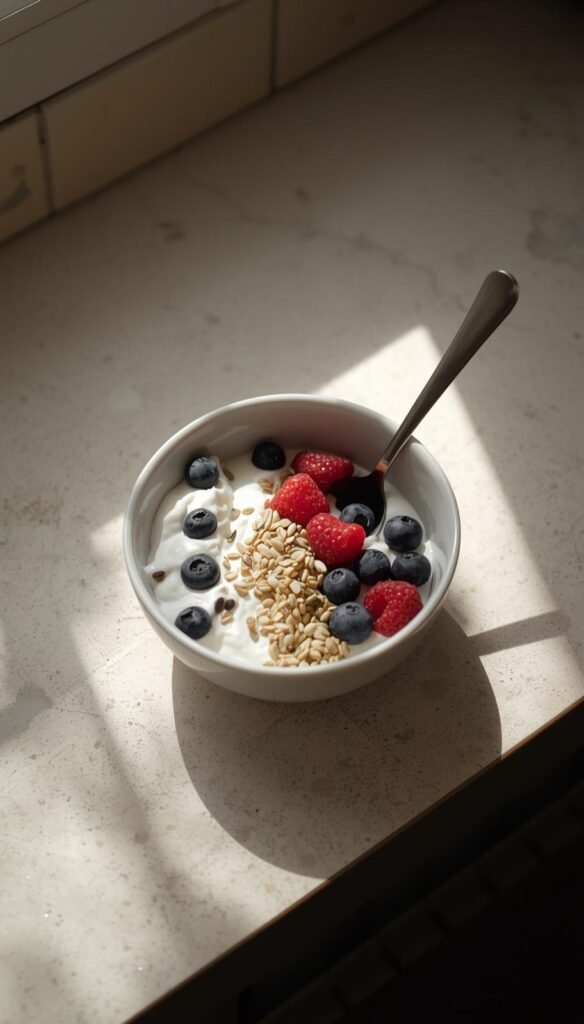
Greek yogurt provides protein and probiotics.
It supports gut health, which connects to hormone balance.
I noticed better digestion when I added this regularly.
Takeaway: Gut health plays a role in hormone balance.
Yes, this one stays.
Dark chocolate contains magnesium, which helps with mood and cramps.
I used to feel guilty about this. Now I see it differently.
Takeaway: A little chocolate can actually support your body.
You do not need a strict plan.
You just need to listen and adjust.
I keep it flexible. Some days are perfect. Some days are not 🙂
Takeaway: Flexibility makes cycle syncing sustainable.
I expected dramatic results.
What I got was something better.
Nothing extreme. Just more balance.
FYI, this is not about perfection. It is about awareness.
Takeaway: Small adjustments create noticeable improvements over time.
I made all of these at the start.
Keep it simple. Always.
Takeaway: Consistency beats perfection every time.
If you want a starting point, try this.
This covers most of what your body needs.
Learning to eat this way changed how I see my body.
These 10 Beginner-Friendly Foods for a Cycle Syncing Diet are not about restriction. They are about support.
You do not need to fight your cravings or force routines that do not fit your cycle.
Start small, stay consistent, and let your body guide you. IMO, that is when everything starts to feel easier.