Physical Address
304 North Cardinal St.
Dorchester Center, MA 02124
Physical Address
304 North Cardinal St.
Dorchester Center, MA 02124


A simple, realistic guide to balancing your hormones through everyday eating habits that actually fit into busy, imperfect life.
Dinner is on the table, your kid is asking for dessert, your inbox is still blinking, and somehow your body feels both wired and exhausted at the same time. You try to eat “healthy,” but your energy crashes, your mood swings, and your cravings hit like clockwork at 9 pm. It starts to feel like your body has its own agenda… and you are not invited 🙂
I hit that phase hard while juggling client work, motherhood, and trying to keep my sanity intact. What finally clicked was this: hormone health is not about perfection. It is about consistency and a few simple rules that actually fit real life.
Let’s break down the 8 simple rules for a successful hormone health diet that made a real difference for me.

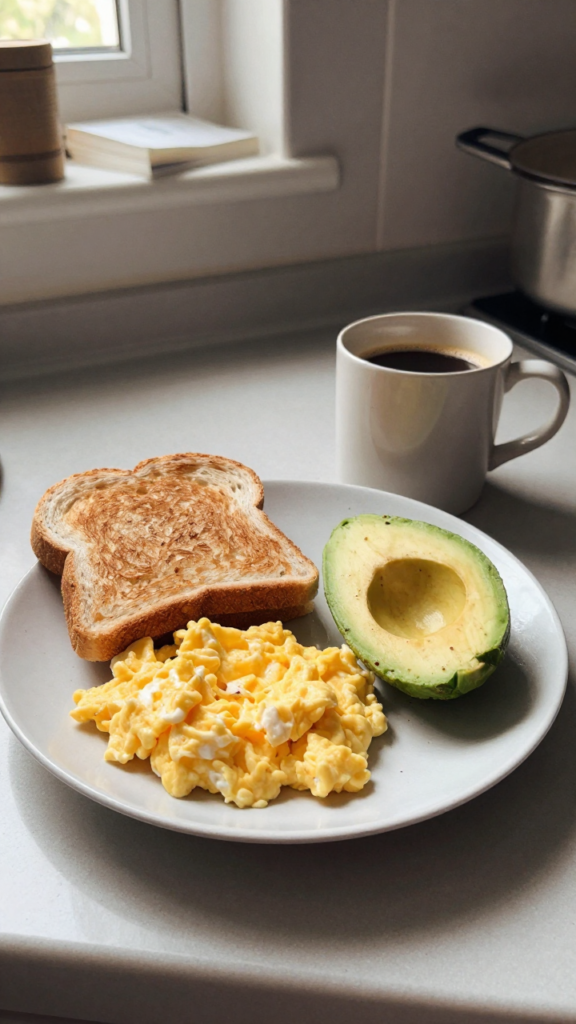
I used to think skipping breakfast made me efficient. Fewer meals, less time, right? Turns out, it just made me cranky and more likely to inhale snacks later.
Your hormones rely on stable blood sugar. When you skip your first meal, your body goes into stress mode and releases cortisol. That sets the tone for the entire day.
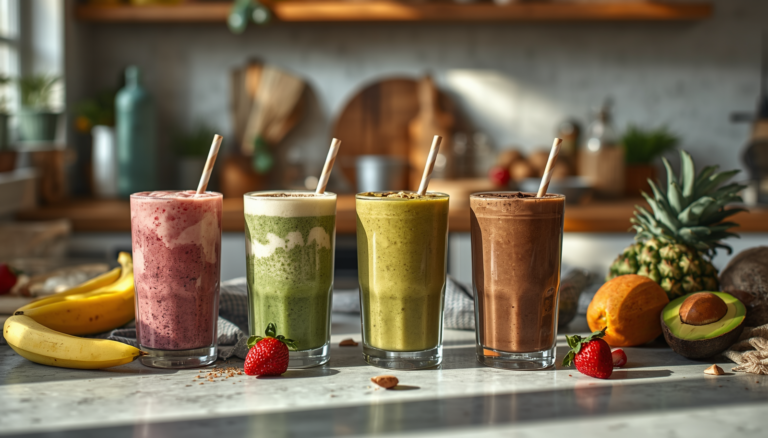
Think eggs with toast, yogurt with fruit, or even a quick smoothie.
Takeaway: A balanced breakfast helps stabilize blood sugar and keeps your hormones from going into panic mode early in the day.
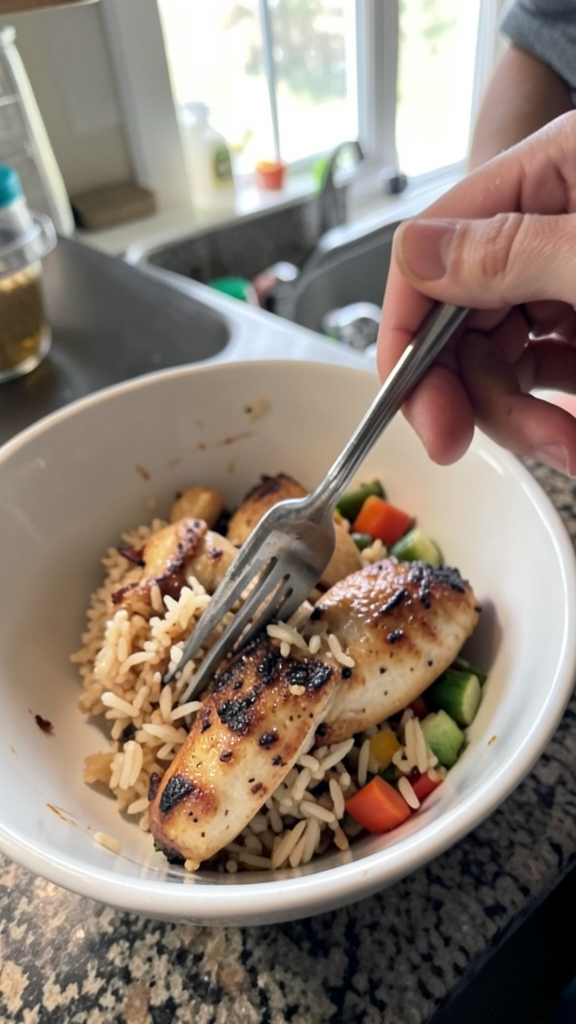
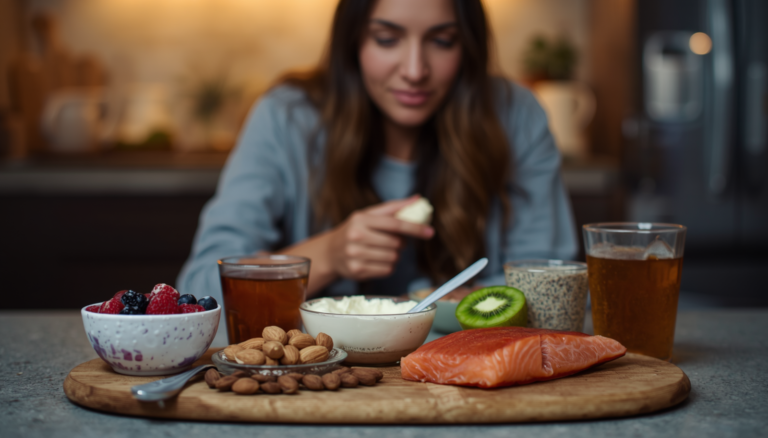
I used to plan meals around carbs because they are easy and comforting. Pasta, rice, bread… you know the vibe. But protein is what actually keeps hormones balanced and hunger under control.
Protein supports hormone production and keeps insulin levels steady. Without it, you will feel hungry again in about an hour.
I now ask myself one question before eating: where is the protein? If I cannot answer that, I fix the plate.
Takeaway: Prioritize protein in every meal to support hormone function and reduce cravings.
For years, I avoided fats because I thought they would make me gain weight. Plot twist… my hormones were not happy about that.
Hormones are made from fat. If you cut it too low, your body struggles to regulate everything from mood to metabolism.
You do not need to drown your food in oil, but you also should not live on dry salads.
Takeaway: Healthy fats are essential for hormone production and overall balance.
Carbs get blamed for everything, which is honestly a bit dramatic. Your body needs carbs, especially for energy and hormone support.
The problem is not carbs. It is the type and timing.
I still eat rice and bread. I just stopped eating them alone like a snack experiment gone wrong.
Takeaway: Balanced carbs help regulate hormones, but pairing them correctly makes all the difference.

Because it does. Big blood sugar spikes lead to crashes, and those crashes affect everything from your energy to your patience level with your family.
I noticed that my worst days always followed chaotic eating patterns. Too much sugar, not enough real food, and long gaps between meals.
Even small tweaks can smooth out your energy levels. And yes, your mood improves too. Funny how that works 🙂
Takeaway: Stable blood sugar is one of the biggest factors in hormone balance and daily energy.
I used to ignore hydration until I felt tired or had a headache. By then, I was already behind.
Dehydration can affect cortisol levels and make you feel more stressed than you actually are. It also impacts digestion and metabolism.
This is not glamorous advice, but it works.
Takeaway: Proper hydration supports hormone regulation and helps reduce unnecessary stress on the body.
I tried the all or nothing approach. It lasted about four days. Then life happened, and I went right back to old habits.
Processed foods often contain additives, sugar, and unhealthy fats that can disrupt hormones. But cutting everything overnight is not realistic.
Progress beats perfection here. Always.
Takeaway: Reducing processed foods gradually helps improve hormone health without burnout.
I used to follow every new trend I saw online. Low carb one week, high protein the next. It was exhausting.
Your body gives you feedback all the time. Energy levels, digestion, mood, sleep… they all tell a story.
If something makes you feel worse, it is not the right fit. Simple as that, IMO.
Takeaway: Your body is the best guide for building a hormone-friendly diet that actually works long term.
The real magic happens when you combine these habits instead of treating them as separate tasks. You eat balanced meals, keep your blood sugar steady, stay hydrated, and reduce stress on your body.
This creates a stable internal environment where your hormones can actually do their job properly. No extremes. No complicated systems.
Just consistent, realistic choices that fit into your everyday life.
Here is what this looks like for me on a busy workday:
Breakfast
Eggs, whole grain toast, and avocado with coffee
Lunch
Grilled chicken, rice, and a big portion of vegetables
Snack
Greek yogurt with some fruit
Dinner
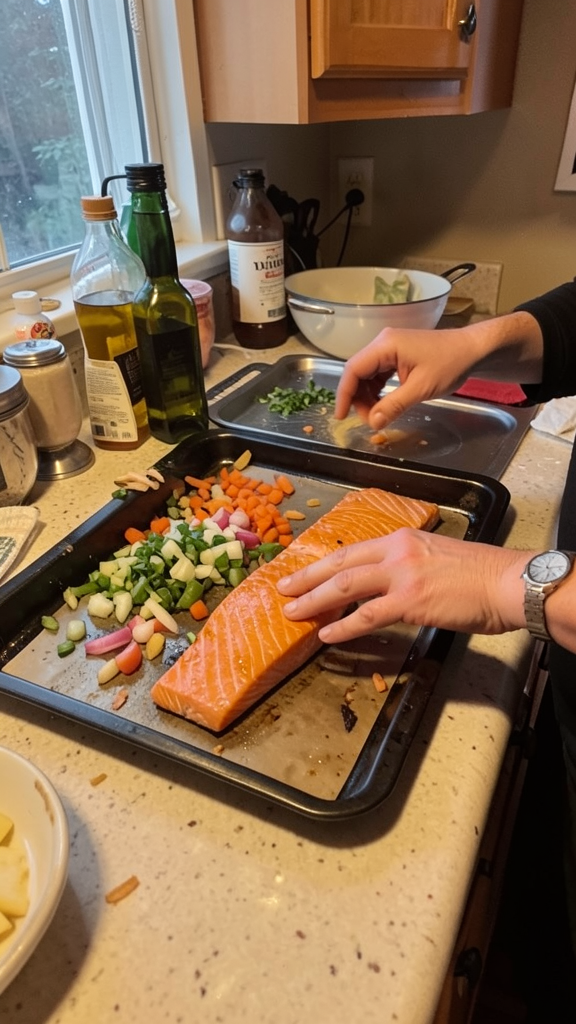
Salmon, roasted veggies, and potatoes
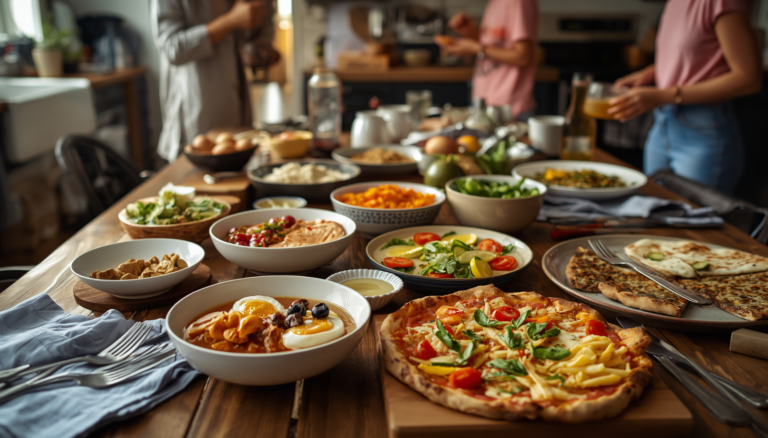
Nothing fancy. No complicated recipes. Just balanced meals that keep me feeling steady and sane.
A successful hormone health diet is not about cutting everything you enjoy or chasing perfection. It is about creating simple routines that support your body instead of stressing it out.
Start small. Pick one or two of these rules and actually stick to them. Then build from there.
Because at the end of the day, your hormones are not asking for perfection. They are asking for consistency. And honestly, that is something you can actually give.