Physical Address
304 North Cardinal St.
Dorchester Center, MA 02124
Physical Address
304 North Cardinal St.
Dorchester Center, MA 02124

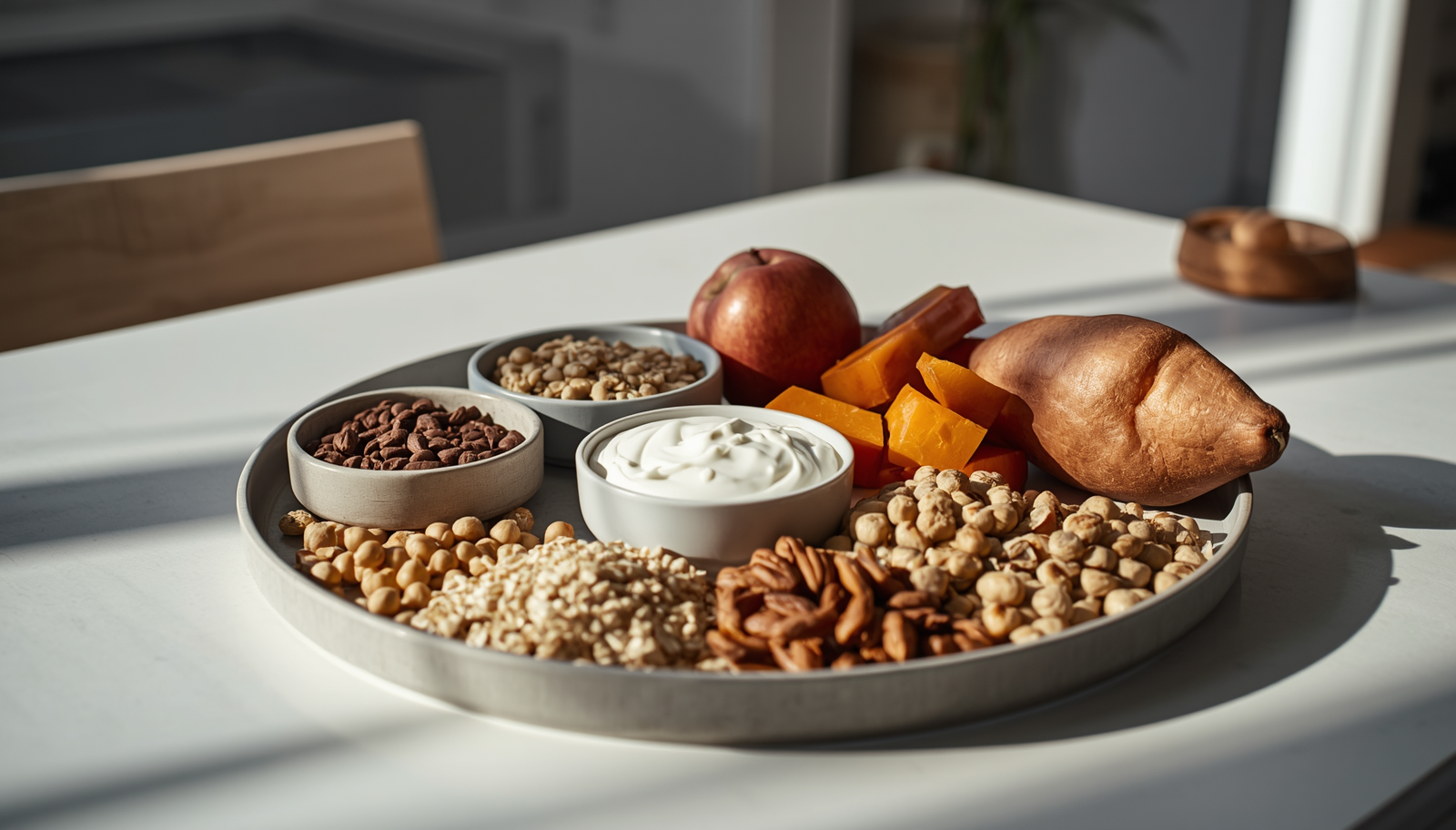
Explore 8 science-backed low glycemic index foods that help stabilize blood sugar, sustain all-day energy, and prevent crashes so you can stay focused and energized longer.
The kind of tired that hits at 3 p.m. is different. It is not just sleepiness. It is the brain slowing down, the focus slipping, and suddenly even simple tasks feel like effort.
I used to power through it with snacks that made sense in the moment. Something sweet, something quick, something that would fix the feeling fast.
It never really fixed anything though.
The energy spike came, then the crash followed like clockwork. Some days I would end up more tired than when I started. That pattern pushed me to look at food differently, especially how certain foods affect blood sugar over time.
That is where low glycemic index foods started to make sense. Not as a trend, but as a practical shift in how I eat to stay steady throughout the day.
If your energy keeps dipping at the worst times, this breakdown can help you understand what actually supports all-day balance.
The glycemic index measures how quickly a food raises blood sugar.
High GI foods spike energy fast, then drop it just as quickly. Low GI foods release energy slowly and steadily.
It is less about dieting and more about not fighting your own energy curve.
Takeaway: Low glycemic foods help maintain steady energy instead of spikes and crashes.


Oats are one of the most reliable low GI breakfasts.
They contain beta-glucan, a type of soluble fiber that slows digestion.
I noticed that mornings with oats feel less chaotic. No sudden hunger spikes before lunch.
Takeaway: Oats provide steady morning energy through slow digestion.


Lentils are small but powerful in terms of energy stability.
They are rich in protein and fiber.
They keep you full in a way that feels surprisingly steady.
Takeaway: Lentils help prevent energy dips through sustained digestion.


Chickpeas are another slow-digesting legume that works well for energy balance.
They are flexible and easy to include in meals.
IMO, roasted chickpeas are one of the easiest snack upgrades.
Takeaway: Chickpeas help maintain stable energy between meals.


Quinoa is a complete protein and a slow-release carbohydrate.
It works well as a base for balanced meals.
It feels like a smarter version of rice in terms of energy stability.
Takeaway: Quinoa delivers balanced energy through protein and slow carbs.


Apples are simple but effective for steady energy.
Their fiber slows down sugar absorption.
They work better than most processed snacks when energy dips.
Takeaway: Apples provide quick but stable natural energy.


Greek yogurt is rich in protein, which slows digestion.
It helps stabilize energy after meals.
When paired with fruit, it becomes a balanced mini-meal.
Takeaway: Greek yogurt helps prevent energy crashes through protein balance.


Sweet potatoes release energy slowly thanks to their complex carbs.
They are naturally sweet but still low GI.
They keep energy stable for hours without a crash.
Takeaway: Sweet potatoes provide long lasting, steady fuel.


Nuts are energy dense and slow to digest.
They are one of the most reliable snack options for stable energy.
A small handful is often enough to carry me through long gaps between meals.
Takeaway: Nuts provide steady energy through healthy fats and protein.
Energy swings are not random. They are often linked to how quickly your food is digested and absorbed.
When you focus on low glycemic index foods, you are not just eating healthier. You are creating a more stable rhythm for your day.
Start with small swaps. Oats instead of sugary breakfast. Nuts instead of processed snacks. Apples instead of quick sweets.
The goal is simple. Fewer crashes, more steady focus, and a body that feels consistent instead of unpredictable.