Physical Address
304 North Cardinal St.
Dorchester Center, MA 02124
Physical Address
304 North Cardinal St.
Dorchester Center, MA 02124


A simple, realistic guide to starting an insulin resistance diet plan that helps stabilize your energy, reduce cravings, and make everyday meals easier.
I am standing in the kitchen again, hungry but not sure what to eat. I open the fridge, close it, open it again like something new might appear. I end up grabbing whatever is fast, then feel tired an hour later and wonder why this keeps happening.
That cycle is exhausting, and honestly, very common.
Starting an insulin resistance diet plan sounds like a big life overhaul. But it does not have to be. When I stopped trying to fix everything at once and focused on small steps, things finally started to feel doable 🙂
If you are ready to begin, these 7 simple steps to start an insulin resistance diet plan this week will help you build a routine that actually sticks.
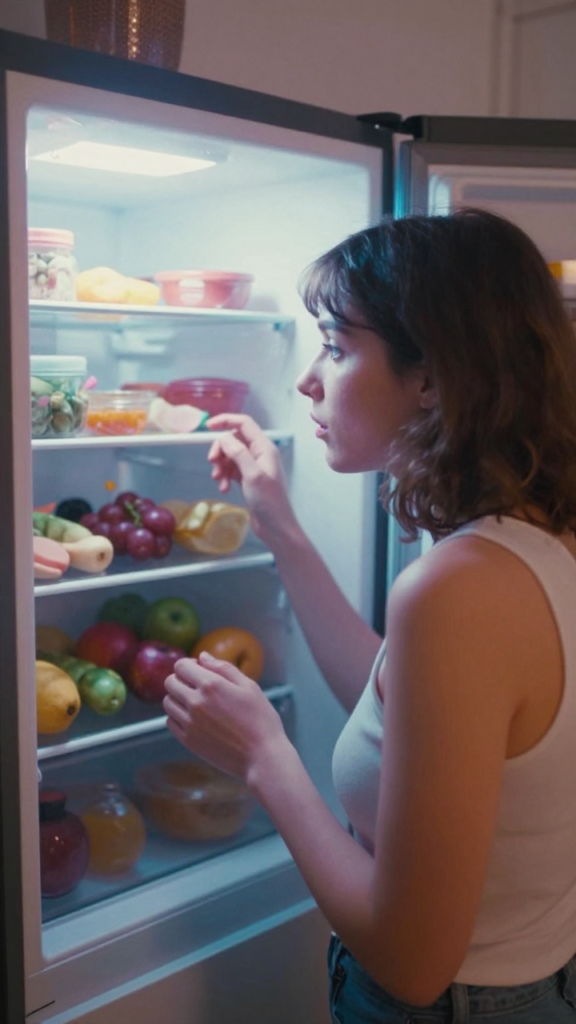
Insulin resistance affects how your body handles blood sugar. When meals are unbalanced, your body struggles to keep things steady.
That leads to energy crashes, cravings, and weight challenges that feel out of your control.
The goal is not perfection. It is stability.
Takeaway: A consistent, balanced diet helps regulate blood sugar and reduces daily energy swings.
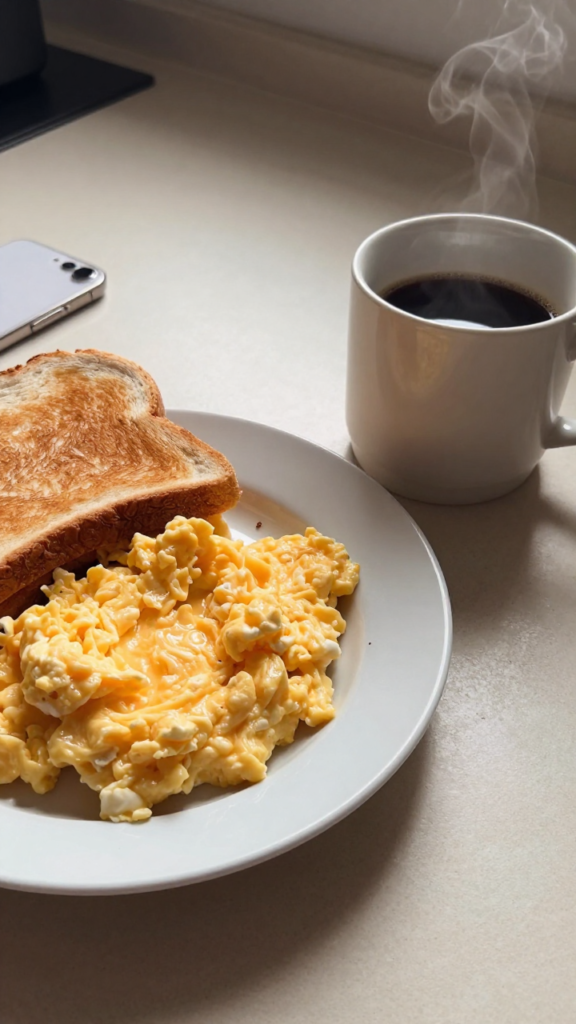
Breakfast sets the tone. I learned this after too many mornings of toast and coffee that left me starving by 10 AM.
Adding protein changed everything.
You do not need anything fancy. Just something that keeps you full.
Takeaway: Protein in the morning helps stabilize blood sugar and reduce cravings later.
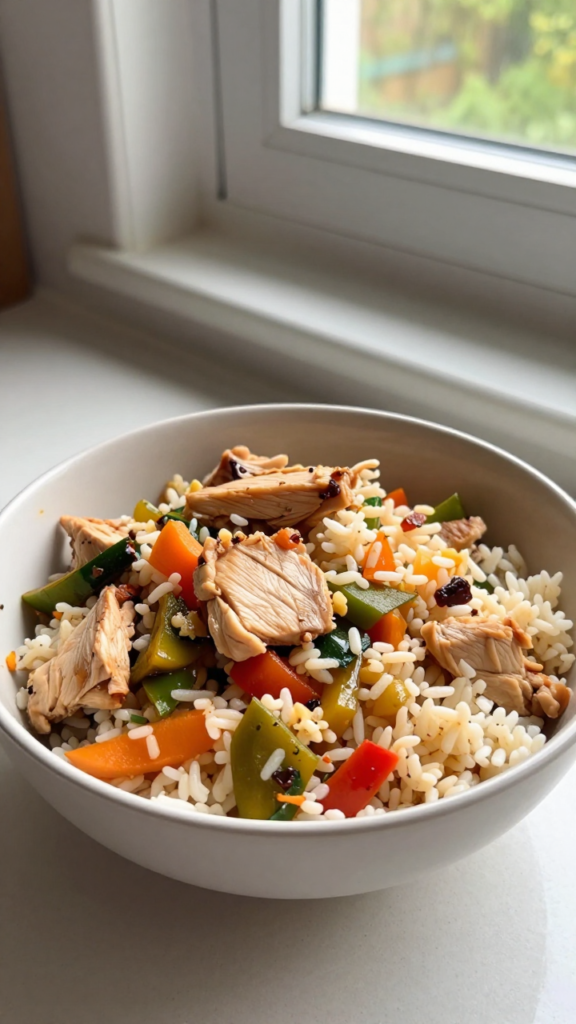
I used to focus on calories. Now I focus on balance.
A balanced meal keeps your energy steady and prevents those mid-day crashes.
Think simple meals like chicken, rice, vegetables, and olive oil.
Takeaway: Balanced meals support steady energy and better hormone function.
Skipping meals sounds efficient, but it backfires.
I used to skip breakfast or delay lunch, then overeat later. Not exactly helpful.
Your body likes rhythm.
Takeaway: Regular meals help maintain stable blood sugar levels.
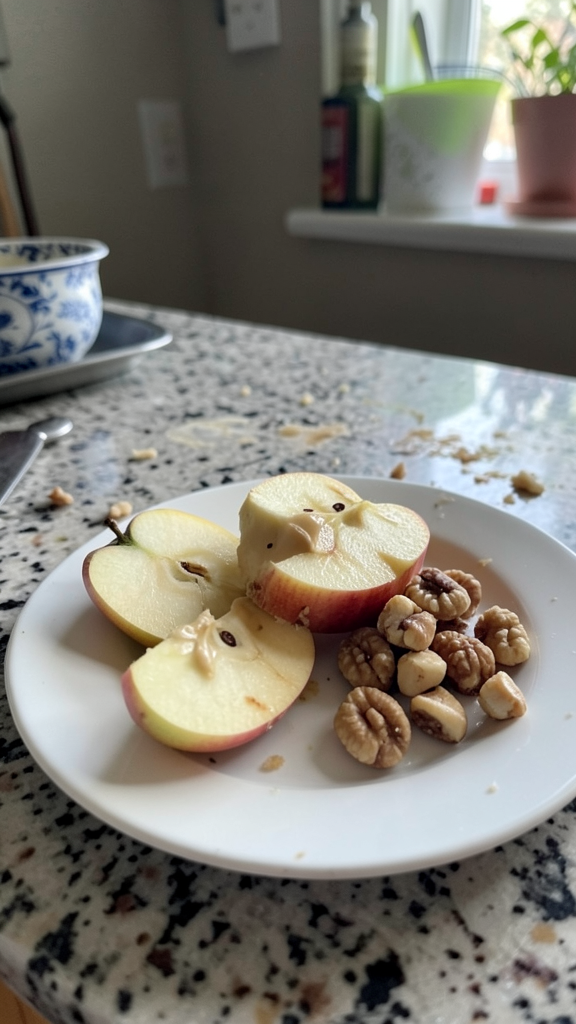
Snacking is not the problem. Random snacking is.
I used to grab whatever was nearby without thinking.
FYI, pairing carbs with protein or fat makes a big difference.
Takeaway: Planned snacks prevent energy dips and reduce overeating.
This one takes a little adjustment, but it is worth it.
White bread, sugary cereals, and processed snacks digest quickly and spike blood sugar.
You still get carbs, just in a better form.
Takeaway: Whole foods support more stable blood sugar than refined options.
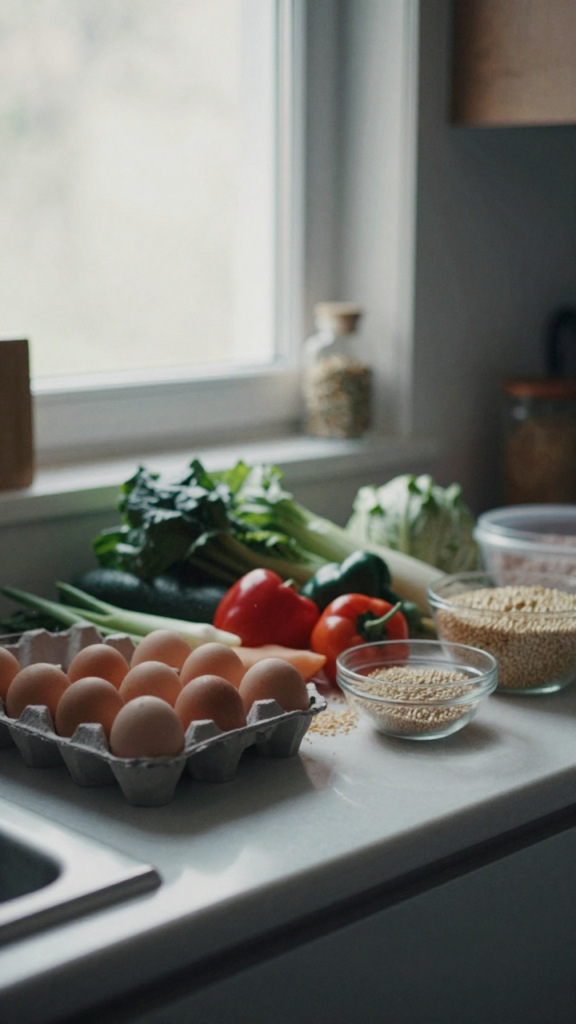
If your kitchen is full of quick, processed options, that is what you will eat. I learned that the hard way.
Stocking better options makes good choices easier.
IMO, your environment matters more than motivation.
Takeaway: Having the right foods available makes consistency easier.
This is the step that makes everything else work.
I used to try new meals every day and burned out quickly.
Now I repeat a few meals I enjoy.
Less thinking, better results.
Takeaway: Simplicity helps you stay consistent without feeling overwhelmed.
A typical day for me now looks pretty basic.
Breakfast is eggs or yogurt. Lunch is a simple bowl with protein and vegetables. Dinner is whatever works with what I have.
Some days are better than others. But the structure is there.
That structure makes everything feel less chaotic.
The biggest change was my energy.
No more sudden crashes that made me want to lie down in the afternoon. Fewer cravings that felt impossible to ignore.
I also stopped overthinking food. That alone reduced stress more than I expected.
It was not about doing everything perfectly. It was about doing enough things right.
These 7 simple steps to start an insulin resistance diet plan this week are meant to feel manageable, not overwhelming.
Start with one step. Build from there.
You do not need a perfect plan. You need a routine that works on your busiest days.
Because when your meals support steady blood sugar, everything else starts to feel a little easier IMO.