Physical Address
304 North Cardinal St.
Dorchester Center, MA 02124
Physical Address
304 North Cardinal St.
Dorchester Center, MA 02124

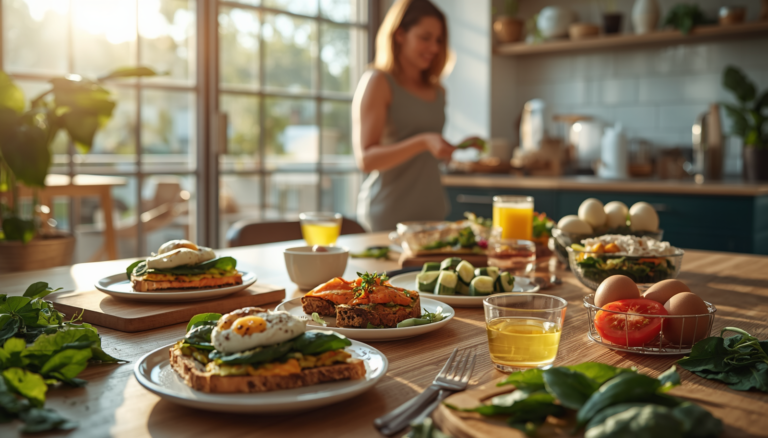
These 7 natural ways to incorporate foods with a low glycemic index make healthy eating feel more realistic by helping support steadier energy, balanced meals, and fewer daily cravings without complicated routines.
The afternoon energy crash used to hit me like clockwork. Around 2 p.m. I would start wandering into the kitchen looking for snacks while pretending I just needed water. Somehow I always ended up holding crackers, cereal, or leftover birthday cake that absolutely did not count as lunch.
I thought I needed more caffeine. Or better motivation. Or maybe one of those wellness routines involving expensive powders and waking up at 5 a.m. Absolutely not.
The real problem was simpler. My meals were full of quick carbs that left me hungry and exhausted an hour later.
Once I started naturally incorporating foods with a low glycemic index into everyday meals, my energy became steadier and my cravings stopped running the entire show. The best part is I did not overhaul my life completely. I just made small realistic changes that actually fit into busy days.
If you want practical ways to eat more balanced meals without becoming emotionally attached to meal prep containers, these ideas help a lot.
Low glycemic foods digest more slowly, which may help support steadier blood sugar levels.
That slower digestion can help with:
Many low glycemic foods also contain fiber, protein, and healthy fats that help meals feel more satisfying overall.
IMO, the biggest benefit is avoiding the constant cycle of being hungry again immediately after eating.
Takeaway: Small food changes can help support more stable energy throughout the day.


Breakfast used to mean toast or sugary cereal because mornings already felt chaotic enough.
Then I realized those breakfasts left me hungry before noon and searching for snacks during work calls. Not ideal.
Try combining:
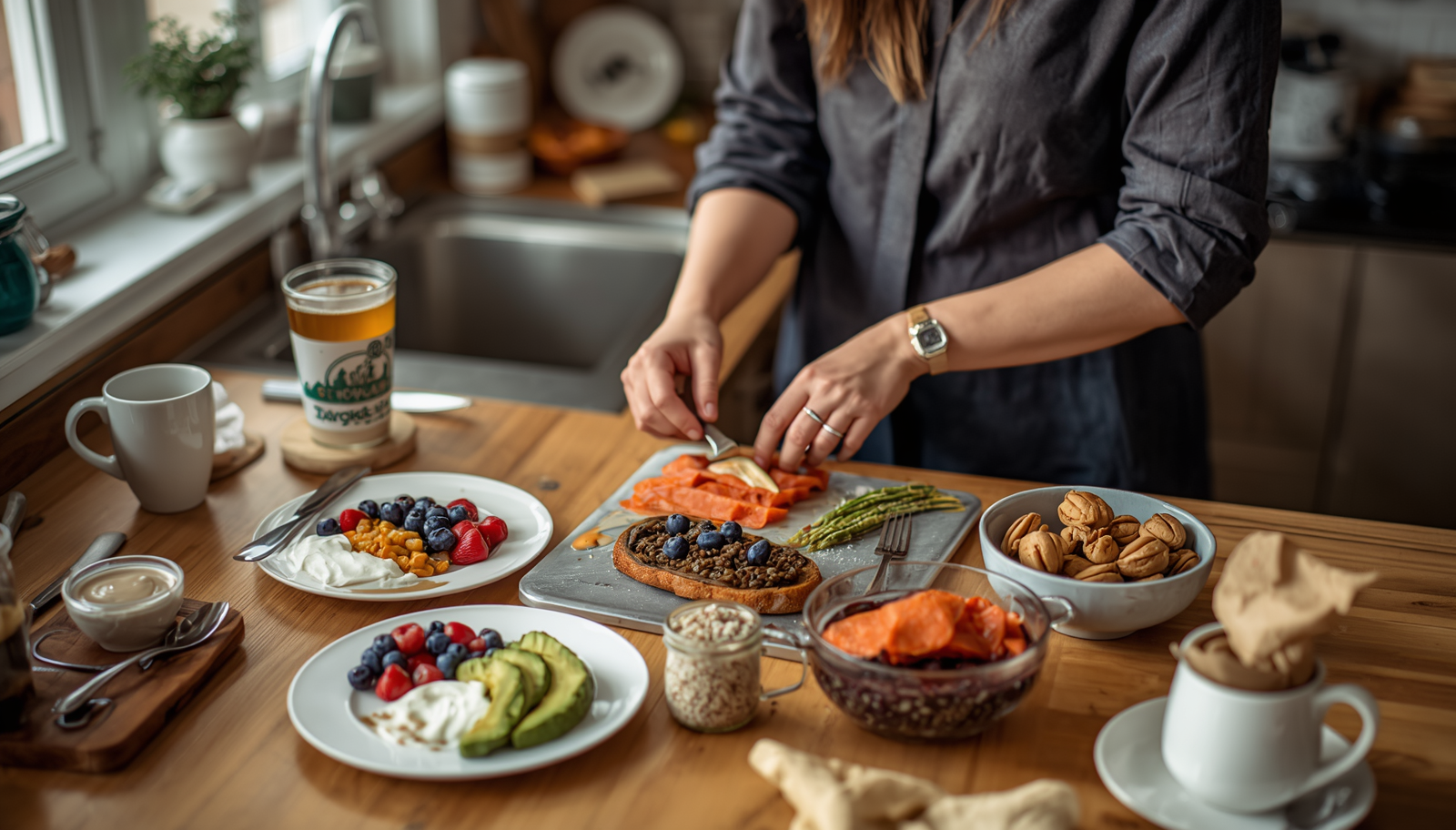
A bowl of Greek yogurt with berries and walnuts takes five minutes and actually keeps me full longer than cereal ever did.
FYI, adding cinnamon somehow makes healthy breakfasts feel slightly more organized 🙂
Protein and fiber help slow digestion and support steadier energy levels.
Takeaway: Balanced breakfasts help reduce mid-morning hunger and energy crashes.


I used to build meals around white bread, white rice, and pasta because they felt easy and comforting.
Unfortunately, those meals also made me sleepy enough to question every life decision afterward.
Instead of:
Try:
Instead of:
Try:
Instead of:
Try:
Slower-digesting carbohydrates help support steadier blood sugar and longer-lasting fullness.
Honestly, roasted sweet potatoes feel comforting enough that healthy eating stops feeling annoying.
Takeaway: Small carb swaps can help meals feel more balanced and satisfying.


For years I avoided fats because diet culture convinced everyone that plain rice cakes were somehow exciting.
Adding healthy fats back into meals changed everything.
Healthy fats help meals feel more satisfying and may slow digestion too.
Suddenly I stopped feeling hungry every 45 minutes. Incredible concept.
Takeaway: Healthy fats help support fullness and balanced energy.


Most bad snack decisions happen because people are already starving.
That includes me aggressively eating crackers over the sink while waiting for dinner to cook.
Combining fiber, protein, and healthy fats helps snacks feel more filling.
Keep easy snacks visible and convenient. Nobody wants to prepare a complicated snack during stressful afternoons.
Takeaway: Balanced snacks help reduce random cravings and overeating later.


Beans and lentils deserve much better marketing.
They are affordable, filling, high in fiber, and genuinely helpful for balanced eating.
Fiber and protein help meals feel hearty without relying heavily on processed foods.
Lentils became one of my favorite meal prep foods because they actually keep me full instead of triggering another snack emergency.
Takeaway: Beans and lentils support balanced meals while staying budget-friendly.


Trying to eliminate dessert entirely usually lasts about three business days in my house.
Making desserts more balanced feels much more realistic long term.
Balanced desserts contain more protein, fiber, or healthy fats than heavily processed sweets.
Also, dark chocolate helps healthy habits feel less emotionally depressing :/
Takeaway: Balanced desserts help healthy eating feel sustainable.


The biggest improvement happened when I stopped trying to create perfect healthy meals constantly.
Repeating simple balanced meals made healthy eating much easier and far less exhausting.
Build meals using:
Healthy habits become more sustainable when meals feel realistic for busy schedules.
Nobody needs a complicated twelve-step smoothie routine before work.
Takeaway: Simple repeatable meals often create more consistent healthy habits.
Healthy eating becomes much easier when your kitchen already contains balanced ingredients.
Convenience matters more than pretending everyone enjoys chopping vegetables for an hour nightly.
Takeaway: A stocked kitchen makes balanced eating far easier during busy weeks.
Learning natural ways to incorporate foods with a low glycemic index completely changed how I approach meals, snacks, and energy levels.
The goal is not perfection. It is creating balanced meals that help you feel steady, satisfied, and less controlled by cravings throughout the day.
Start small. Add one or two habits from this list into your routine and see how your body responds.
And honestly, any meal plan that reduces emotional support snacking deserves serious respect.