Physical Address
304 North Cardinal St.
Dorchester Center, MA 02124
Physical Address
304 North Cardinal St.
Dorchester Center, MA 02124

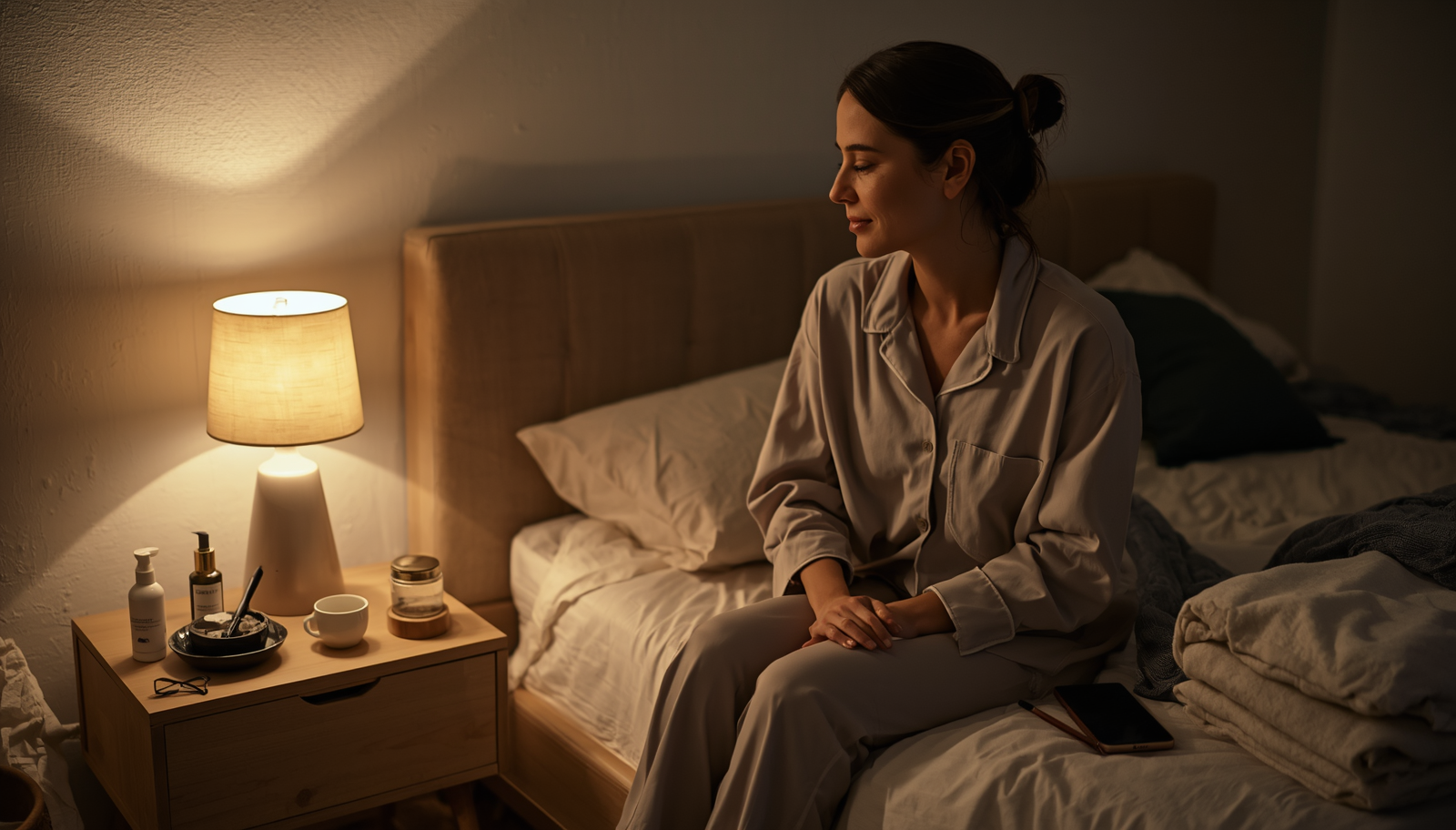
These 7 simple nighttime habits can help you sleep better, reduce stress, and create calmer mornings without turning your evenings into an exhausting self-care marathon.
The house finally gets quiet around 10 p.m. The dishes sit in the sink judging me from across the kitchen. My daughter already fell asleep after asking for water three separate times, and somehow I still stand there scrolling my phone while wondering why I feel exhausted every morning.
That used to be my nightly pattern for years. I treated bedtime like a random ending to the day instead of something intentional. Then I started changing a few small habits inside my night time routine checklist, and honestly, my stress levels dropped fast.
A solid nighttime routine does not require perfection. You do not need expensive candles, matching silk pajamas, or a 47-step wellness ritual that takes longer than a Netflix movie. You just need habits that help your body and brain calm down before sleep.
These seven habits completely changed my evenings, my sleep quality, and honestly, my patience level the next morning too.
Most people think productivity starts at sunrise. I disagree.
Your nighttime habits quietly control your energy, mood, focus, and even how chaotic your mornings feel. When my evenings looked messy, my mornings felt worse. I woke up tired, rushed, and immediately annoyed by tiny things like missing socks or slow coffee machines. Very stable emotional behavior 🙂
A realistic night time routine checklist creates structure without making life feel robotic.
Here is what a good nighttime routine can improve:
Takeaway: Better nights create better mornings. It really is that simple.


As a freelancer and business owner, I used to answer emails until midnight because I convinced myself I was being productive.
Meanwhile, my brain felt like an overheated laptop with seventeen tabs open. I would climb into bed and suddenly remember invoices, content deadlines, and random client messages from three days earlier.
Now I set a work cutoff time around 9 p.m. Most nights, I stick to it.
The world survives without late-night email replies. Shocking, I know.
Takeaway: Your brain needs time to transition out of work mode.


I cannot sleep peacefully in a messy space. My brain notices everything.
One cup on the counter somehow turns into visual stress. A pile of unfolded laundry suddenly feels emotionally aggressive for no reason.
Every night, I do a quick 10-minute reset around the house. Nothing extreme. I am not deep-cleaning the refrigerator at 10:30 p.m. because I value my sanity.
Tiny cleanup sessions save so much stress the next morning.
Takeaway: Small nighttime resets prevent morning chaos.


This habit changed my sleep faster than anything else.
I used to scroll social media until my eyes burned. Five minutes somehow turned into forty-five minutes watching strangers organize pantry containers in matching beige bins. Why are we like this?
Blue light and constant stimulation keep your brain alert long after bedtime.
Now I leave my phone across the room about thirty minutes before sleep. It feels annoyingly responsible, but it works.
Takeaway: Your brain rests better when your phone stops demanding attention.


I used to buy every trendy skincare product online because the packaging looked convincing. Suddenly my bathroom looked like a tiny chemistry lab.
Then my skin became irritated and confused. Apparently layering twelve random acids together was not a genius plan. FYI, simple routines usually work better.
Now my skincare routine stays basic and consistent.
That is enough most nights.
Consistency matters more than having twenty expensive products sitting untouched under your sink.
Takeaway: Simple skincare routines are easier to maintain long term.


Morning stress usually starts the night before.
Once I started preparing for tomorrow during the evening, my mornings felt dramatically calmer. Not perfect. My daughter still occasionally remembers school projects five minutes before leaving the house. But definitely calmer.
Every evening, I prep a few basics ahead of time.
Future-you will feel deeply grateful for this habit.
Takeaway: Tiny nighttime prep creates smoother mornings.


My brain becomes weirdly dramatic at bedtime.
Suddenly I remember unfinished tasks, awkward conversations, or random things I forgot to buy at the grocery store three days ago. Instead of mentally carrying all that into bed, I started writing it down.
You do not need a perfect journal practice. Keep it casual.
Getting thoughts onto paper helps your brain relax because it stops trying to store everything internally.
Takeaway: Writing things down reduces mental clutter before sleep.


Your bedroom affects your sleep more than most people realize.
For years, my bedroom doubled as a workspace, laundry zone, snack area, and sometimes emotional support storage room. Not exactly peaceful.
Now I try to keep the space calm and comfortable before bed.
Fresh sheets honestly feel like a luxury vacation when you are exhausted.
Takeaway: Calm spaces help your body relax naturally.
Most people fail because they try changing everything at once.
One night they suddenly attempt meditation, stretching, journaling, reading, tea-making, skincare, gratitude exercises, and sleeping by 9 p.m. Then they quit two days later because life happened.
Start smaller.
Choose two habits from this list first. Let them become automatic before adding more. Consistency beats intensity every single time.
Here are a few realistic tips:
Some nights will feel organized. Other nights your kitchen looks like a crime scene and everyone feels tired. That is normal.
A short nighttime routine still counts. Even ten intentional minutes helps.
Your brain loves patterns. Repeating small habits consistently makes them easier over time.
Takeaway: Sustainable routines work better than overly ambitious ones.
Creating a better night time routine checklist changed more than my sleep. It improved my mood, patience, focus, and honestly, how I handled stressful days overall.
The funny thing is none of these habits feel dramatic. They are small, practical actions repeated consistently. That is usually how real life improvements happen.
Start simple tonight. Put your phone down earlier. Prep tomorrow’s outfit. Wash your face before midnight instead of pretending makeup magically disappears while sleeping.
Tiny habits seem boring at first. Then one day you wake up feeling calmer, more rested, and slightly less chaotic. That feeling matters more than perfection ever will.