Physical Address
304 North Cardinal St.
Dorchester Center, MA 02124
Physical Address
304 North Cardinal St.
Dorchester Center, MA 02124

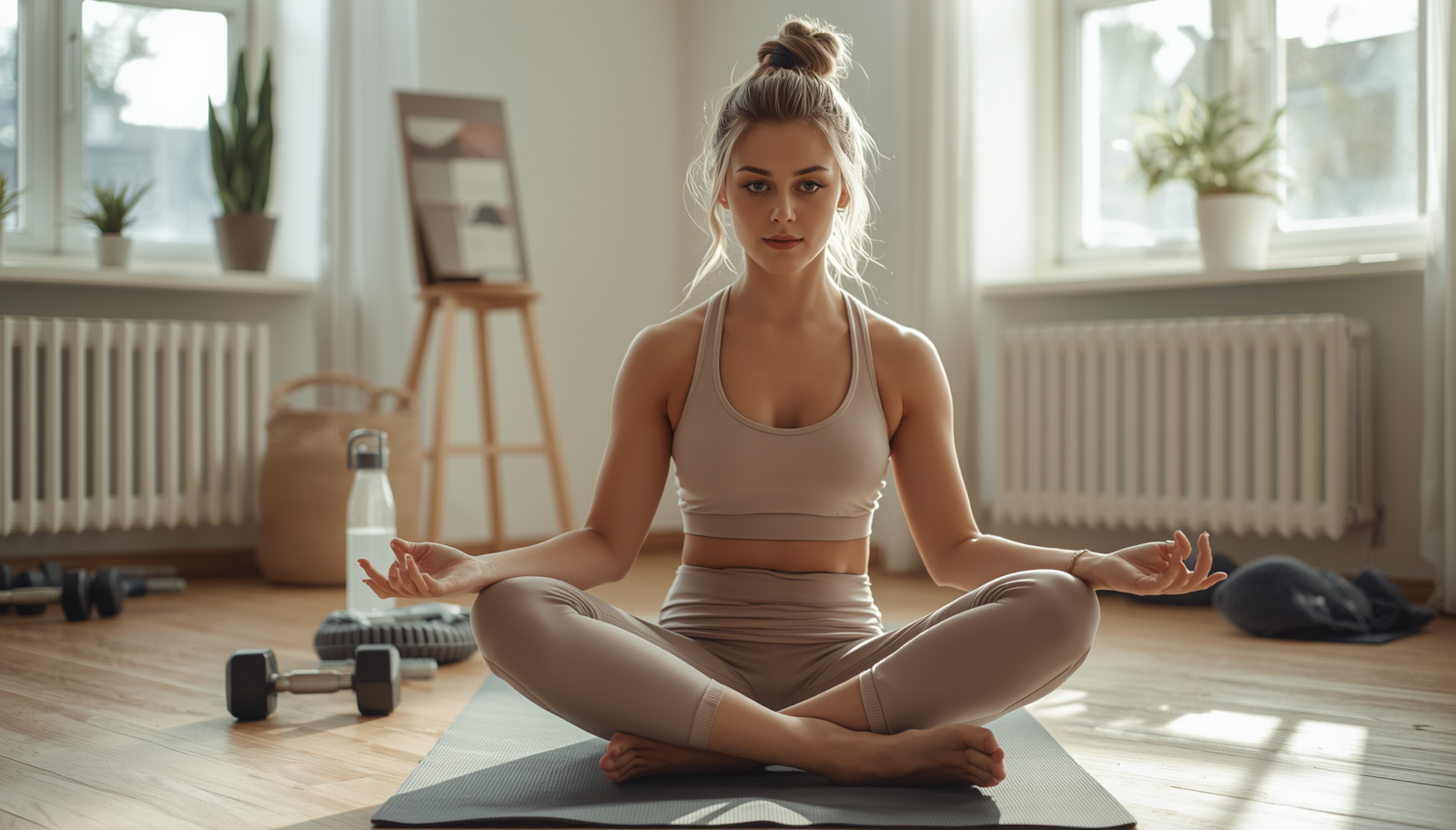
Discover 7 realistic and science-backed ways to match your workouts with your menstrual cycle phases for better energy, easier recovery, and a more balanced fitness routine.
The workout started great. Then halfway through the second set, everything felt heavy. Legs turned into bricks. Motivation disappeared. Meanwhile, the fitness girl on social media somehow looked ready to sprint through a mountain carrying dumbbells and emotional stability. Cool for her, I guess :/
A lot of women quietly deal with this weird disconnect. Some weeks feel powerful and focused. Other weeks make a short walk to the kitchen feel like an Olympic event. It took me way too long to realize my body was not random or lazy. My energy shifted with my cycle, and my workouts needed to shift too.
Once I stopped fighting my body every single week, exercise became way less miserable. It also became more effective. Funny how that works.
If you want a realistic approach to menstrual cycle workout phases without turning your life into a science experiment, these tips can help.

Hormones influence energy, strength, recovery, mood, appetite, and sleep. That means your workout performance naturally changes throughout the month.
The four main phases include:
Each phase creates different physical and emotional responses. Some days your body loves heavy strength training. Other days it basically requests sweatpants and survival snacks.
Ignoring these changes can leave you frustrated. Working with them can make exercise feel smoother and more sustainable.
Takeaway: Your body is not inconsistent. Your hormones simply change throughout the month.

The menstrual phase starts when your period begins. Hormone levels drop, which can lower energy and motivation.
This phase usually lasts 3 to 7 days.
Your body may respond better to:
I used to force myself through intense cardio on day one of my cycle. Big mistake. I spent half the workout staring at the wall questioning every life choice that brought me there.
Now I focus on movement instead of performance. Even a short walk helps.
Pay attention if you notice:
Rest is productive too. That sentence annoyed me for years, but unfortunately it is true 🙂
Takeaway: The menstrual phase works best with low pressure workouts and extra recovery.

The follicular phase starts after your period ends. Estrogen begins rising, which often boosts mood and energy.
This is usually when workouts feel easier and more exciting.
This phase works well for:
Personally, this is the week I suddenly believe I can reorganize the pantry, answer emails, and become a marathon runner all before lunch.
Your recovery may also improve during this phase, which makes it a great time to push harder.
Try these strategies:
Your body often feels more resilient here, so use that momentum wisely.
Takeaway: The follicular phase is ideal for building strength and testing your limits.
Ovulation happens around the middle of the cycle. Estrogen peaks, and many women feel physically strong and mentally confident.
This phase often brings:
Basically, this is the superhero phase of the month.
Great options include:
I usually notice I feel more social and motivated during ovulation. Suddenly group workouts sound fun instead of deeply irritating. Hormones are wild.
Even though energy peaks here, avoid overtraining.
A lot of women push too hard because they finally feel amazing again. Then the crash hits later in the month like a dramatic plot twist.
Stay hydrated and schedule recovery days too.
Takeaway: Ovulation supports high intensity workouts, but balance still matters.

The luteal phase starts after ovulation. Progesterone rises, which can increase fatigue and bloating.
This phase can feel frustrating because your body may suddenly react differently to the same workouts.
One week you crush burpees. The next week you need emotional support after carrying groceries upstairs. Totally normal.
Try focusing on:
You do not need to quit exercise completely. You just need smarter intensity.
Many women experience:
This is the phase where I stop pretending I enjoy intense cardio. My body clearly votes no.
Takeaway: The luteal phase works better with moderate workouts and realistic expectations.
Food can support energy and recovery throughout your cycle.
Different phases often create different cravings and nutritional needs. Ignoring that usually ends with standing in the kitchen eating cereal straight from the box. FYI, I have been there.
Focus on:
Good options include spinach, lentils, dark chocolate, and soup.
Your body may handle harder workouts better, so prioritize:
This supports muscle recovery and energy.
Try adding:
These may help stabilize cravings and energy levels.
Appetite often increases during the luteal phase because your metabolism slightly rises.
Your body is not trying to ruin your progress. It is asking for support.
Takeaway: Nutrition should change with your cycle instead of staying rigid all month.

Cycle tracking makes a huge difference because patterns become easier to spot.
You start noticing things like:
I used to think my motivation randomly disappeared every month. Then I tracked my cycle and realized the timing was extremely predictable. Annoying, yes. Helpful, also yes.
You can use:
Keep it simple.
Track things like:
Over time, your cycle starts making a lot more sense.
Takeaway: Tracking helps you plan workouts around real energy patterns instead of guessing.
A lot of fitness advice assumes energy stays constant every single day.
That might work for some people, but many women experience noticeable cycle related changes. Comparing yourself to someone else’s nonstop intensity can make you feel like you are failing when you are actually functioning normally.
Instead of chasing perfection, build workouts around flexibility.
That could mean:
Consistency matters more than punishment.
Some months feel smooth. Others feel chaotic. Stress, sleep, parenting, work, and hormones all mix together.
As a working mom, I learned that forcing myself through miserable workouts only made me resent exercise. Once I adapted my workouts to my menstrual cycle workout phases, I stopped quitting every few weeks.
That alone changed everything.
Takeaway: Flexible fitness routines last longer because they respect real life and real hormones.
Learning how to work with menstrual cycle workout phases can completely change your relationship with exercise. You stop treating your body like a broken machine and start treating it like a system that naturally shifts over time.
Some phases support intensity. Others need gentler movement and more recovery. Both matter.
The goal is not to become perfectly optimized every second of the month. The goal is to feel stronger, healthier, and less frustrated with yourself.
And honestly, that feels way better than forcing burpees while silently questioning your existence.