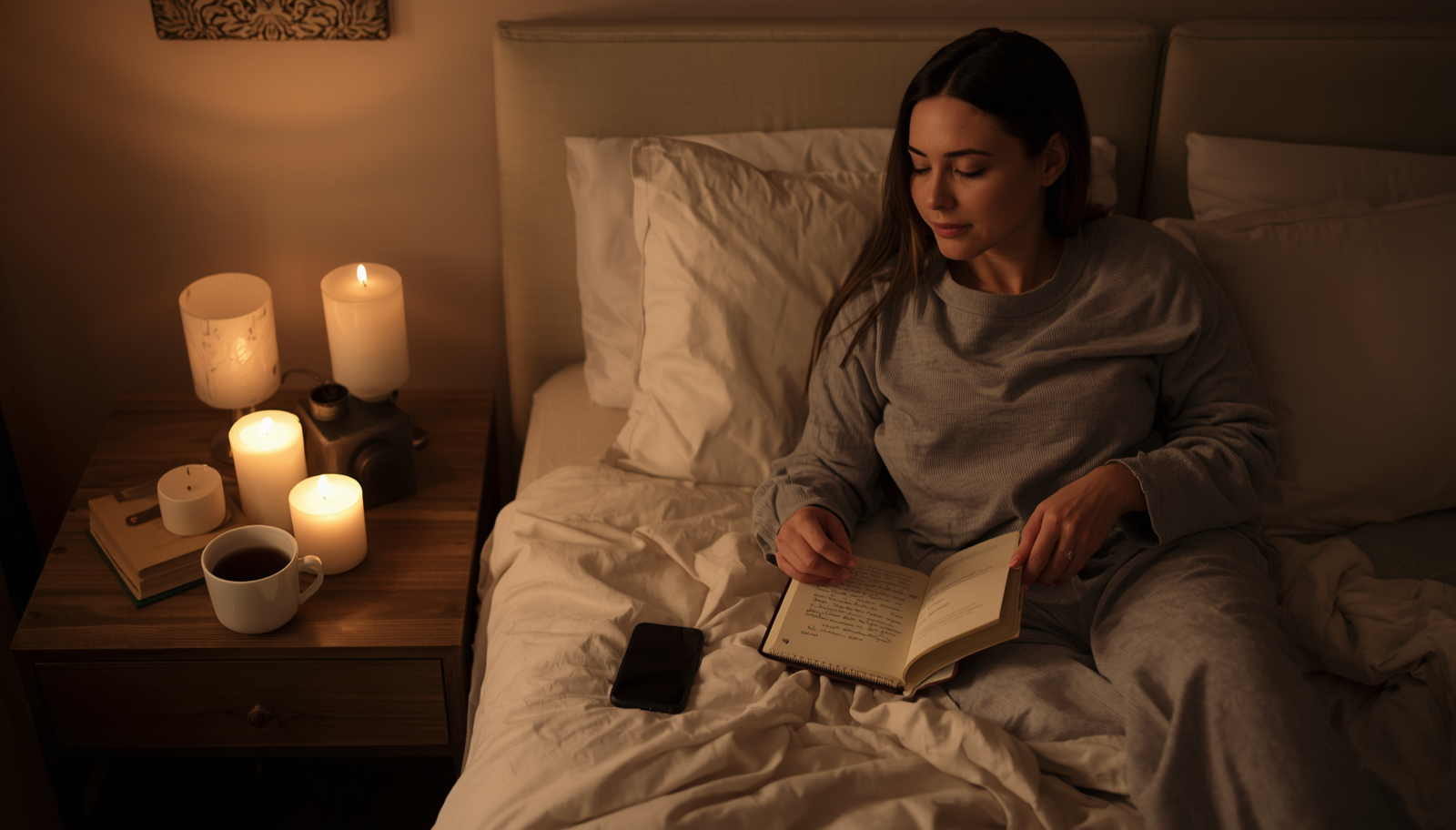
12 Science-Backed Steps for a Night Routine Checklist

These science-backed nighttime habits can help you improve sleep quality, reduce stress, and create a healthier night routine that actually feels realistic for busy everyday life.

Some nights feel like your body is exhausted while your brain refuses to cooperate.

You finally crawl into bed after a long day, ready to sleep, and suddenly your mind starts replaying awkward conversations from 2017 while also reminding you to buy dishwasher tablets tomorrow. Meanwhile your phone glows directly into your face because apparently bedtime scrolling became a personality trait. Very healthy nighttime behavior 🙂

That cycle used to be my normal routine.

As a freelancer, business owner, wife, and mom, I thought being tired automatically meant I would sleep well. Turns out stress, screens, inconsistent habits, and overstimulation quietly wreck nighttime routines for a lot of adults.

Once I started building a science-backed night routine checklist that actually supported my body and brain, evenings became calmer and mornings felt less painful.

Why Science Matters in a Night Routine

Night routines are not only about aesthetics or productivity.

Your brain and body follow patterns constantly. Light exposure, stress levels, caffeine timing, and even room temperature affect sleep quality more than most people realize.

A science-backed night routine checklist can help improve:

  • Sleep quality
  • Mood stability
  • Mental clarity
  • Hormone balance
  • Stress management
  • Energy levels

The goal is not becoming some perfectly optimized wellness robot.

The goal is helping your body relax more naturally at night.

Takeaway: Small nighttime habits affect physical and mental health more than people expect.

1. Dim the Lights One Hour Before Bed

https://images.openai.com/static-rsc-4/WmfOR4gi1YdlSkcf3Mv9OQzFh1qyi6cIxZlnLIwOFTMekcAG_x3_RT2Rq1J16gQQYeuZTmogCWgjIQuqN9XIKoSy_O7LTYlgtbBxEwyrdJNcfT_GRhr-JPdca_NqJZQv91Iq8Sk2NHP21BoPTeMd4OP35hKEYCR53-xWwTLpKn5KnrUCB7MB6CiAmz9uoSU5?purpose=fullsize
https://images.openai.com/static-rsc-4/C3s9gMtJ5o52UEGNqr8bOXmxkowAh9HFO0VGtz6Qsld85Z-Too7wrDHlnMzfYEXg3gIQZjHXQNEVdXVUi77myllHDMSygT2AuQLJ31dVd6QOBV9okL-2s_jFX4m2SHE2Gzy00Wcl6BJL4l_83DuQFm0ojDvuhtYUvA7hM5Kab1uCZXr_cP6gyG4ckz3CrhYd?purpose=fullsize

Your brain responds strongly to light.

Bright overhead lighting signals alertness and delays melatonin production, which affects sleep timing. I used to keep every light blazing until bedtime while wondering why falling asleep felt difficult afterward.

Now I switch to softer lighting earlier in the evening.

Easy Lighting Changes That Help

  • Use bedside lamps
  • Switch to warm-toned bulbs
  • Turn off overhead lights
  • Use candles safely

Soft lighting helps your brain recognize nighttime naturally.

2. Stop Drinking Caffeine Too Late

https://images.openai.com/static-rsc-4/224ARBVcXe8YrFck6giD-O9nix7JDbHWx7cfZ07inRX1VhWHS0zMkH0Qgs6Y0lMsk7NQmlq89vtBlFvfK5Wfaf-7w2G07PRPpY4wkCPF_7k18ILvF7U5dAOSKfTr7vv5r5y-yOfHhORTKnVROjjWsM0xcPSTy9j5IcvkGcyENQQuaF8gY-vp73eEHGQ7cZO4?purpose=fullsize
https://images.openai.com/static-rsc-4/DgX7D4CGvXBwCVRZJVr-as-loQ1UpcqXHFPLxAGrw0lfQ0vtMWCDTw_MibK_KEVzml1qmI4MceIgYGjhAcgGfijPKLfnOT_0Pqh5IWb8f-7rm1mir45TqCj44GaRAxzwkWVM7H0s-tpIoDVmaggZQ9MwlO9UfOURMtK2ym2gJo25UMCf_RgZZxbqBYCC5fXn?purpose=fullsize
https://images.openai.com/static-rsc-4/2ED5Lfq_p8vLsUUFzGnz1Am9pQGqmyQU9ICcKA8I5mfNv9Po2umgWc8wBMyHoO7HiRHKUJgMh0Mie7V095O_Yz1Z6HAr5KCGPLR-8Or05PCkYNaSsj3JIGvmltMBEVulmA9XNJJIsJFCWpOhDMGGL7-QQ4tc-CMAnnm7j9fuvNMLKVdw_kselZSDZlOmIja7?purpose=fullsize

This one personally attacked me.

I used to drink coffee late in the afternoon because motherhood and deadlines kept exhausting me constantly. Then bedtime arrived and my brain still acted fully awake.

Caffeine stays in the body longer than people think.

Better Evening Drink Options

  • Herbal tea
  • Warm lemon water
  • Decaf tea
  • Peppermint tea

FYI, your 5 p.m. iced coffee might be sabotaging sleep later 🙂

Takeaway: Limiting late caffeine helps your body wind down more easily.

3. Keep a Consistent Sleep Schedule

https://images.openai.com/static-rsc-4/6c-Lb7_z5obU75CCTQ8RQcFYafmZwJks4kFIHcbFCsEOqlRtC3OE1ht9qMQ-vI6F-FbthGyoMqCNY1fK0-5EjfGhd14UE6O1pvJKA8S1uoa43ozYNYKyo-XbpVRff4oTcbbauUNkmXJvNR7eC1DFVgP312ySQoah5gNFPvjiOcC8Emt8rRJ6Z2yD4MvxMyjV?purpose=fullsize
https://images.openai.com/static-rsc-4/nepYky282p0T-_QAhPuRVlvb1SKUNoLYferA5eu8nNhQty9l4-ud2MDbEN1DbDGyZgLw3Pw_3xMYU8RzlYmFmWSR6RBb8OBkgKa1tcbjY8X7TjOmuivO6Hdx-lDc-jBiqmSjf8g8sr5TmE8UHoTTRl1JV2a0DLnQd7VgE3KeAvLBQXqff5Lao3eJvNoh0q1V?purpose=fullsize
https://images.openai.com/static-rsc-4/7ofVtSNc9TOt_MDN0iRBG5YSxEtuvkORUnDgoMWcAd1sXfWUWnpITO4rVmqWKnipLG98SE8S9poJWJtjwJy3yHlvRTd--IH6lNgCAQeSTd1xgi9KdXfAv0Xp9wzf5DIfa52vWSK652a86FE9FsSzt4yjxeJYYSihZAiDWVLd9yNnIXEwuuitQXTrmwRhcqy6?purpose=fullsize

Your body loves predictable rhythms.

For years my bedtime changed constantly. Some nights I slept early. Other nights I stayed awake scrolling or working until midnight because nighttime finally felt quiet.

Consistency improved my sleep more than any fancy product ever did.

Helpful Sleep Schedule Habits

  • Go to bed around the same time
  • Wake up consistently
  • Avoid huge weekend schedule changes
  • Start winding down earlier

Your nervous system responds well to routines.

4. Put Your Phone Away Before Bed

https://images.openai.com/static-rsc-4/2297GN1iSWUIhrCFYMIIXero-U-D_rWcwAgigwyzJq4LK0G0HWSAdDl9v2ihI1egJ6E4PwWj-qhZPpv4BNnZFDtUWLo4-V9fkOqqDnJvoDgYvkLZmLpNzPmCzy_sIly4ZB5THVUvfr5lRxy3bkIXya3IdiTo7ELCoxLei1QCcG16sYATMNVoLWXnyIqO6GG5?purpose=fullsize
https://images.openai.com/static-rsc-4/tvwdcdyFt6i4ejIBtkDTEo5vKNPja12RPYHjZYgWrT-86_hf-T2lKiHLOdT9aCPTcOLj_ZpWkfeOMU2hQn0uVH3K2-iovRx-c72cOQb6ruQXm6TKbnBm56PnnujKcgapBwXnfDU7hDt5Mm9izunodEu_t-qSDf7ScQ-uWbSfFcfJqC0CfKcHcQ40eo-M0Vyi?purpose=fullsize
https://images.openai.com/static-rsc-4/W0BdzLBsQaJvIE2t0nbfXYlQ5Q_IQMlv1yEEH1E5ATVNWKfO4dnH4QdXyth4SYknCESL45e02ipaLub46qUy07mPeb34NXfhdPidiqK7h1nrSb5f5iaWEsta-MpnsLcIss8eUVx1K1hYi-LggB68_-e3rtBh--fsAH7zCxAJCFkNyaDM5mRNb56jn8WJxBUh?purpose=fullsize

Blue light affects sleep, but overstimulation matters too.

Late-night scrolling floods the brain with information, stress, entertainment, comparison, and emotional noise right before sleep. I used to scroll endlessly while telling myself I was relaxing. Incredible logic there.

Now I place my phone across the room at night.

Better Bedtime Alternatives

  • Read a book
  • Journal briefly
  • Stretch gently
  • Listen to calm music

Your brain needs less stimulation before sleep.

Takeaway: Reducing screen exposure helps improve sleep quality and mental calmness.

5. Keep Your Bedroom Cool

https://images.openai.com/static-rsc-4/WnItuIO7LErpGMU6nTXFWfwpO4ZdZpW-QvknjtN6UURnAZK3V0_1qL_0Mm1UzpN-Gfw6zaKTWzNZ3vcNj--1tO8osZq2whsmdO38PpW25-jPygmmtxYsn4RpBKMY9t1_I6Wtalg1vnCpjQZBauq9H36klpXVp6xOE7-Bn9By3yetb9rTLApX5TuyG3TNJPJF?purpose=fullsize
https://images.openai.com/static-rsc-4/eEZy43l4IX6auqERvXqVPFfAyCa76iUPfbzryvUHwAa-INLk_n-3pqZ6_wtomrU4SgM7ibQ3YhGcxhkYFwIaCbyHpAm0ITBAkCJi6z4MX5T7uLhhu7tARQ-Vk9x_gA0WP7KfaQengVF2lQwO4fYu0oaC8_4LMjVt1F73R_y7gDEh8b8kYbNd6pToYbCEiMtz?purpose=fullsize
https://images.openai.com/static-rsc-4/C704BDbZ72aqdy0rxR_DdzKvcocKLEBOY_97CCxvt34BVaX8iSsCq-phLaIrb9xJOqDrHszCyq4dxG4N8jVdILn40VtSSbNtUD6K1AuwAnKS7mtAj8EwnAZvPwaNloENP3M2iF5OsWHk7eachnRMuek0aOjDi7IeDW4-JgBgZkKBdFkWn0-at7J8aml0QzeL?purpose=fullsize

Body temperature affects sleep more than people realize.

Cooler rooms help signal the body that it is time to rest. I noticed this immediately after lowering the room temperature slightly and switching to breathable bedding.

Easy Bedroom Comfort Tips

  • Use lighter blankets
  • Improve airflow
  • Wear breathable pajamas
  • Keep bedding fresh

Tiny comfort changes affect sleep quality surprisingly fast.

6. Eat Lighter Meals at Night

https://images.openai.com/static-rsc-4/XMDndIAtGm6sALsXDmXCWY0nMUsEFI6D3XuWKyl-G43MboXAayTEPIBdnAUA7kAT2bzvpB_1JH-quR77fe5eao2R9ltHGYReIM8GyolE7ptf33ea8oF1tYYmE_11CYzz7V6c9-LXH0seauHmG7pxR7wT6Dp-JjM8-BBfAnA-2L37ow-VTcs74NEQr71dMxjM?purpose=fullsize
https://images.openai.com/static-rsc-4/BQz-NUhwifNBEO_Phs3qbjb2i3EgZFklqpe6sSk934ofL5EYlFRuRhXgjxw2HTLCk0tl81H_bcc_iEir8_eFcPSPG7xw_HoTp9n887l2GcMMg36lchVEg27N7UlShqJS1hjjLKDhE-osuUuhCEAMiE0jy0ehc67IAl59tck0yUQDggbXO_cqyBGMecn2QmAH?purpose=fullsize
https://images.openai.com/static-rsc-4/K88ApuzKTyNgmXpZKB9iUzvLdH3TBbg35E_cosHDZvOjEPA3HXBlZPjQF2qlvwuFm6B-0xrar4RlPYgg033rUCRTPvzlUkr5mw3xGi3wMEWyQGOnsD3roIAfiUAY3bAIcJ79_qTBaw8wSVWxYMnisAbOvpEyRGFodXx5Hw97iTxdTo-JWeaBEdQwDyyw82Ul?purpose=fullsize

Heavy late-night meals can make sleep uncomfortable.

I learned this after too many evenings eating random snacks at 10 p.m. because I skipped proper meals earlier. Your stomach deserves better treatment than emergency chips and leftover fries.

Now I try keeping dinners balanced and lighter at night.

Better Evening Food Choices

  • Protein-rich meals
  • Vegetables
  • Healthy carbs
  • Smaller portions late at night

Comfortable digestion helps support better sleep.

7. Stretch Before Bed

https://images.openai.com/static-rsc-4/XTBr_y7aL0Kfje11ofzrswsnsT2eHaVgIGcjsjycGvB7hviIaA0eDKFFP3k95NXYwivt_4MjmmO80HUpJj2VDIMquCw1Ru45TdjEbRsrg2gnEYQ8CaFLMK_6BBP-9I7QTbbHLy3dgUUK9fZbwIHdlxcRFVCklDVPQLzQuR9BGz0X8piuUZ9JWmqwu93WMkW7?purpose=fullsize
https://images.openai.com/static-rsc-4/IjFM_3XwlepYl_0GyaWSpZuBRL2aI0QY-J_G80IEiNn3qLLDIvW6iOAATYph9YulkYJaoXIZO0MnZfr5Z48Nke0P6zhzmuasmAhODuNEOeKvFgdtLAL2OUbuuOLztdtEceL35q-lrPOQLi4NEe0yHRxramPOHMHIbYsvTtJaAUfPgFpio6_e0todk-tBdG-L?purpose=fullsize
https://images.openai.com/static-rsc-4/2zMPK0ogLY6RxVzzHjJqkaUDDCyDGQmsd2IYinXJr1LwDYc2b-KNLKHl8uJBFYVB5eXiyVrutw80-GGWQpcniQUELf_ZOuPji4T5BU5lUmS2RJhAVGQ4BtMbjuQtgrk3Y1ciFGmUq4ih31VRItrge6DBUFQvkH0gu326MNk4RQIYkz1gf3ZCJ50vy1eGzptH?purpose=fullsize

Stress stays trapped in the body sometimes.

After long workdays, my shoulders feel permanently tense by bedtime. Gentle stretching helps release some physical tension and signals relaxation to the nervous system.

Easy Nighttime Stretches

  • Neck rolls
  • Shoulder stretches
  • Hip stretches
  • Forward folds

Nothing intense required.

Takeaway: Gentle movement helps reduce physical tension before sleep.

8. Write Down Racing Thoughts

https://images.openai.com/static-rsc-4/yewS8sLjmWLR4Kov0ISb4orFDhigks9HuRwdWYkYWZeZD42CQrybei_JU2ahkLHypYqGDu97202sop87CzZRqfFc345vvPb0zCv2DEZ4CmyxcODDXTy27aYLmYNPzNV2rxUyn3uG1xD8xMXGMfKPRYwznjgaiKx-VmchjMWO608_tTPr7y7b6PNxg6P8ab2W?purpose=fullsize
https://images.openai.com/static-rsc-4/vAot8fEbImX4frefPuRQ6_lDMxLpJkBjsDKTRmICADghchhsmP7q5WGEF10NUYQzSvldSBisQLI99HrK3lHye7uzdBlZOBraNJCwwa1KVA6Ci66va5-PPB78atEx4dtYUCbNkQ9XZxBYhizieTKdtbWbcOcQpdanT0TnFEQ40EYDrDtgwEA2iVopDjjObqpE?purpose=fullsize
https://images.openai.com/static-rsc-4/j2IOcUg1YKyaRRJeYufT3V4nCw88AkFQftbg0ukKfAy8IOivkB1T1Pk2B2WDHvtSb8xYRHxzWqIm7y-1VeLtsn5BYbZcf6QNqGNvVEQpcVuKEprJSL5Oaugr2S0sEW2UbJPdXVP7aL-j2LDBZ7fiz-jXiYTks4y4bhUwauAy2MD5LLMZYH89agj4PriWch67?purpose=fullsize

Bedtime anxiety often comes from mental overload.

My brain suddenly remembers unfinished tasks, awkward conversations, grocery lists, and random worries the second my head touches the pillow. Writing things down helps reduce mental clutter.

Things Worth Writing Down

  • Tomorrow’s priorities
  • Stressful thoughts
  • Reminders
  • Gratitude moments

Once thoughts leave your brain, sleep feels easier.

9. Avoid Intense Work Right Before Bed

https://images.openai.com/static-rsc-4/AOio7ed1dGwfP-PivomtzN2mVwrztdVA7aRCeTxvJryFSEUB56hsLAeRW6s_2I-29-DdeKuYTTiOlEovhrIgqX71fQrUjJ87eciaIhu3pCQzdCaJ0Ty1DTDAdkTXreb1R0ATjKrNqhLfH1VNmOE-B0CEf-dsM6dayYbU5hzl6TRoquqOrs-vFCO3camw9t7m?purpose=fullsize
https://images.openai.com/static-rsc-4/7HhlXQjH64_4Hofq3Z3-BJqoiTFJqQEPM_jKUGquQZ9W2tXMU7KR3wIBplnzBEoFXuF-M3AczkoJKItIkNNkgdvwWuMLVVH5UWNjXLRpnBSpGQQqRbwjPheZFVuCzXZLvBirzXn-1E3itJGVE_S2zIZE8ZMLRkWWs36jUSo87yyzFxd8sB_6EQ7BU69H7YQq?purpose=fullsize
https://images.openai.com/static-rsc-4/IS08A1uFTe4d7HEqQrSp1-x4l0bE_avcK1yWLoSmQLN30YuQ6lCeq4aSHcrvbkuHn6QN9s37J0uNMNSBZ6piI32LAt3li2717pjHXfnEhbAdX8Y_r82PBohVtRA4k3h731H0y-jPkZ5-Xa_SK928tmdXohWpkMezVwE9rjoFGFZshz4f6SQANEdWZEpWM7QE?purpose=fullsize

Your brain needs transition time.

I used to answer emails until bedtime because freelancing blurred every work boundary imaginable. Then I wondered why my nervous system stayed stressed at night.

Now I stop working earlier whenever possible.

Better Evening Transition Habits

  • Close the laptop intentionally
  • Write tomorrow’s tasks
  • Change clothes
  • Play calming music

Small transitions help your brain relax.

Takeaway: Creating separation from work reduces nighttime stress.

10. Use Relaxing Scents Carefully

https://images.openai.com/static-rsc-4/QrSJ9Kf984Y8KvqQML93-MQggBSieWKRrSnZZnycIdvCBIJApLv5G9hDJCzWFLcV40Fah041o4YVzKz2XTZMFWMf2ltGsfiyQIJn4sO2SJgyaOzO5bdsE2AgJaTocq5lrlPYuaLmeIfZ9Pzw7lVdbC9mIEo8tuprB8aL8lgXer975sOG8m7K-ZyBdvnBV_ML?purpose=fullsize
https://images.openai.com/static-rsc-4/6DIbgzog3JQ5TgszXoeg8lXe7eKdBbfKICO8aWq4THNBgdORd5FtisHTvhK-AP0t3w6N3i98kGLNL--OBJ8jczlQaaFwMN7ogwvUbwbf0lxKICU9o5B_nZbjrSCjUjPOExNIQFhDFaBBtY0tT-Ha_qztj9fjB0ckgmHX3nq_PaJCbSIbmiToooCX8BX1lQgq?purpose=fullsize
https://images.openai.com/static-rsc-4/skRlPMtt5I0ndB4v1yA1YIikx5399ixN1UdDbJzn9eBrKY0yOiC1pt74MRK__hdjDR-TFXthP6-6obwadWrzUw_wqGxdUziIDJlLuVBJz-pfNAF1uuIKD2MTWgpI77in4Ou2V32eprjw7hLS1CinTe-xCosPzNeave2h0T55X_PJxh9lA6A60TiJBVZIpYkG?purpose=fullsize

Certain scents create calming associations for the brain.

Lavender especially gets mentioned often in sleep research because people commonly associate it with relaxation. I personally love subtle scents because they make nighttime feel softer emotionally too.

Popular Relaxing Scents

  • Lavender
  • Vanilla
  • Chamomile
  • Sandalwood

Simple sensory cues help support relaxation.

11. Keep the Bedroom Less Cluttered

https://images.openai.com/static-rsc-4/UIzfs9UgmD2YmzNZEk3rrj2RU7jbX0YLpCntSVRbeVLfShiRyHsDV5ewBWz4K1-RJlPcNUivXL4Y48amwU3LIKDN0kEUoAxxTuMvNhEFYtCCog57q_XWRUdSMCjgwV0a-fPjry1jHOWlVEcTuFLNeV7Xp6Y6ggaApIgAhB5Y82kY_qMtchrEb8zys4dO7QBb?purpose=fullsize
https://images.openai.com/static-rsc-4/WmfOR4gi1YdlSkcf3Mv9OQzFh1qyi6cIxZlnLIwOFTMekcAG_x3_RT2Rq1J16gQQYeuZTmogCWgjIQuqN9XIKoSy_O7LTYlgtbBxEwyrdJNcfT_GRhr-JPdca_NqJZQv91Iq8Sk2NHP21BoPTeMd4OP35hKEYCR53-xWwTLpKn5KnrUCB7MB6CiAmz9uoSU5?purpose=fullsize
https://images.openai.com/static-rsc-4/TO7FWIeKXWUhD2N3VU6stXtIjhSGkNKnSt2KvfBBYzeEQwUrLRK9utv0KVup6Q09OSejyhdvUN_bVH0FVSoX8JdVa4jqbo_rcuU1PJ_6i7BlyMHUw9eDtHBzORB2EnOdxp5IkrHC3zQ8h7YbQROJ6OygqPxsnulI-TmTd5UhCZhCa_SxRxBomvJf1XptZycI?purpose=fullsize

Visual clutter creates mental noise.

My bedroom once looked like a strange combination of office, laundry pile, and emotional support storage area. Once I simplified the space slightly, bedtime felt calmer immediately.

Small Bedroom Reset Habits

  • Fold blankets
  • Put laundry away
  • Clear nightstands
  • Reduce visible clutter

Calmer spaces support calmer minds.

12. Create a Consistent Wind-Down Routine

https://images.openai.com/static-rsc-4/k3rfImKZ-uln-VUUHTQ8Pn6wsqoEN_rEcj8cn6IZFyDS7RM6-J2c2NlkuMDl1Ij1GGWcwWwwWEXiJLsKDFsTnvmk6BBm3XFyUbMseo68PWNpFFq8x82ytDhO7IT-SuDLwZUz4S7gwRT7WnSHA-dy-5b85GmZ_EVeDCTpO1pRb627V1EtWv7CTsTUZzo_y297?purpose=fullsize
https://images.openai.com/static-rsc-4/6_d6VJvP0McM4-81RYoj4BxntF03bwyEhfZFnn1CRyPRaYyAAv-GDQDo3MKlhIjx_2RgglGe7MRVSXDQjx3j2bpyfPaGXmITI93Tu2WEXQXPy4UzPokKyNtVy1xU_kSnVMHjkLybFhr4xgGcWJpoVo58tRlwUDmUeuyFaJ91_GkvgdbCp4Dimtm958ia-n93?purpose=fullsize
https://images.openai.com/static-rsc-4/nepYky282p0T-_QAhPuRVlvb1SKUNoLYferA5eu8nNhQty9l4-ud2MDbEN1DbDGyZgLw3Pw_3xMYU8RzlYmFmWSR6RBb8OBkgKa1tcbjY8X7TjOmuivO6Hdx-lDc-jBiqmSjf8g8sr5TmE8UHoTTRl1JV2a0DLnQd7VgE3KeAvLBQXqff5Lao3eJvNoh0q1V?purpose=fullsize

The brain responds well to repeated habits.

Your nighttime routine does not need to feel complicated or aesthetic enough for social media. Simple consistent actions work surprisingly well.

My Realistic Night Routine Checklist

  1. Dim lights
  2. Wash my face
  3. Make tea
  4. Put my phone away
  5. Read briefly

Nothing dramatic. Just supportive.

IMO, sustainable habits beat perfect routines every time.

Takeaway: Consistent routines help your body recognize when it is time to sleep.

Common Habits That Quietly Ruin Sleep

Some habits sabotage sleep without people realizing it.

Doomscrolling Before Bed

Your brain does not need internet chaos at midnight.

Irregular Sleep Times

Your body struggles with inconsistency.

Sleeping in Bright Rooms

Light affects sleep signals strongly.

Working Until Bedtime

Your nervous system needs time to settle.

Small improvements matter more than dramatic overnight changes.

Final Thoughts

The best night routine checklist is not the most complicated one online. It is the one that genuinely helps your body and brain relax consistently.

Real improvements often come from basic habits. Softer lighting. Better sleep timing. Less screen exposure. Gentle nighttime routines. Those simple changes support energy, mood, focus, and overall wellbeing more than people expect.

Start small tonight.

Pick one science-backed habit and practice it consistently for a week before adding another.

Life will still feel busy because adulthood comes with built-in chaos. But healthier nighttime habits create small moments of calm inside the stress, and honestly, those moments matter a lot.

Avatar photo
Lyn Nguyen