Physical Address
304 North Cardinal St.
Dorchester Center, MA 02124
Physical Address
304 North Cardinal St.
Dorchester Center, MA 02124


Feeling bloated, stressed, or constantly uncomfortable after meals? These 12 best herbal teas for gut health and relaxation can help calm digestion, reduce inflammation, and make your evenings feel a whole lot better naturally.
Your stomach feels bloated after dinner again, your brain refuses to slow down, and somehow you are standing in the kitchen at 10 PM staring at snacks you are not even hungry for. Exhaustion does weird things to people.
That became my nightly routine for a while. Stress from work, parenting, deadlines, and terrible eating habits piled up fast. My digestion felt irritated constantly and my sleep quality looked like it gave up completely.
Then I started replacing my late night coffee habit with herbal tea. Not because I suddenly became one of those super organized wellness women with matching glass jars and color coded routines. Absolutely not. I just wanted my stomach to stop acting personally offended after every meal.
Turns out herbal tea actually helps.
The right teas can calm digestion, reduce bloating, support gut health, and help your nervous system settle down enough to relax. Tiny leaves in hot water doing emotional support work. Honestly impressive 🙂
Here are the 12 best herbal teas for gut health and relaxation that genuinely made a difference for me.

Herbal teas support digestion in a surprisingly gentle way. Many herbs contain natural compounds that reduce inflammation, calm muscle spasms, and support healthy digestion.
Some teas help:
And honestly, sitting down with a warm cup of tea forces you to slow down for five minutes. That alone helps more than people realize.
Takeaway: Herbal teas support digestion and relaxation naturally while helping reduce gut irritation.
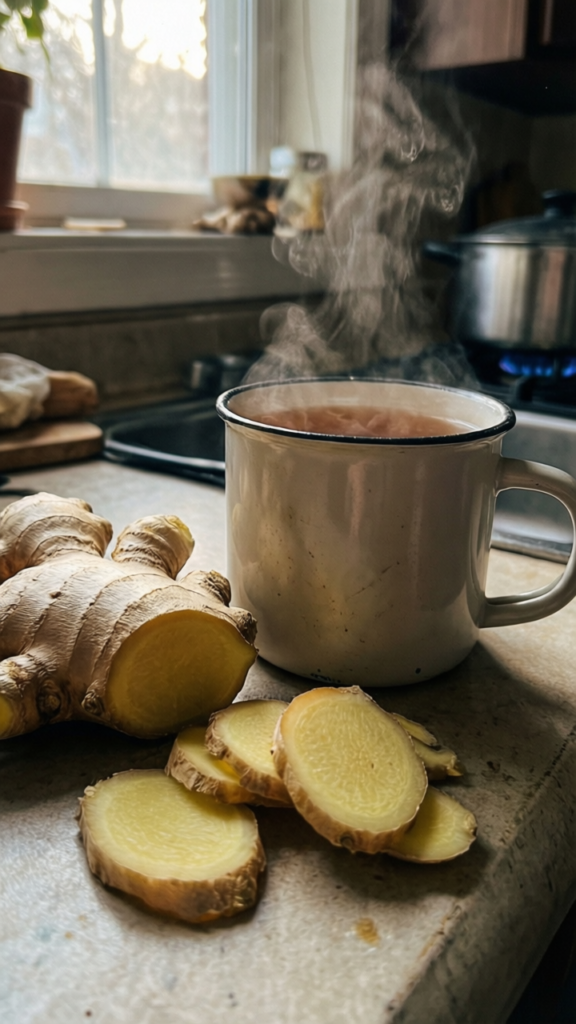
Ginger tea helps digestion move more smoothly and reduces bloating fast. It also works incredibly well for nausea and stomach discomfort.
Whenever my stomach feels heavy after eating too much takeout or stress snacking, ginger tea usually fixes things better than regret ever does.
I slice fresh ginger into hot water and let it steep for about ten minutes. Sometimes I add lemon if I feel ambitious.
Takeaway: Ginger tea helps reduce bloating, nausea, and sluggish digestion naturally.
Peppermint tea relaxes digestive muscles and helps reduce stomach cramps and gas. It feels almost suspiciously effective sometimes.
I started drinking peppermint tea after dinners because my stomach would tighten up every evening. Within a week, the constant bloated feeling eased noticeably.
If you struggle with acid reflux, peppermint may make it worse for some people. Your stomach likes to stay unpredictable just for entertainment apparently.
Takeaway: Peppermint tea relaxes digestive muscles and helps calm bloating quickly.

Stress and digestion stay deeply connected. Every time life gets chaotic, my stomach immediately joins the panic party.
Chamomile tea helps calm the nervous system while also soothing digestion. That combination matters more than people think.
I started drinking chamomile tea before bed instead of scrolling my phone endlessly while pretending social media was helping me relax :/
The sleep improvement alone made it worth it.
Chamomile may help:
Takeaway: Chamomile tea supports relaxation while calming stress related digestive issues.
Fennel tea works surprisingly well for bloating and trapped gas. It has a mild licorice flavor that people either love or immediately reject with dramatic energy.
Personally, I like it after heavier meals because it helps my stomach feel less sluggish.
You know that uncomfortable overly full feeling after restaurant food? Fennel tea helps ease that pressure naturally.
Takeaway: Fennel tea helps reduce gas and uncomfortable stomach fullness naturally.
Turmeric contains curcumin, which helps reduce inflammation throughout the body. Since gut irritation often links directly to inflammation, turmeric tea can be incredibly supportive.
Turmeric tea tastes earthy and slightly weird at first. Let us just be honest about that.
But once I started pairing it with honey and cinnamon, it became much easier to enjoy.
Turmeric tea may help:
Takeaway: Turmeric tea helps calm inflammation that may contribute to digestive discomfort.
Licorice root tea helps coat and soothe irritated digestive tissues. It feels especially helpful when my stomach feels sensitive from stress or poor eating habits.
Very sweet naturally. Almost suspiciously sweet considering there is no sugar involved. FYI, some people love it instantly while others need time.
People with high blood pressure should be careful with licorice root tea and check with a doctor first.
Takeaway: Licorice root tea helps soothe irritated digestive tissues naturally.
Lemon balm tea helps reduce stress and tension, which indirectly helps digestion too.
I noticed my stomach symptoms improved dramatically once I started managing stress better instead of pretending stress was just part of adulthood forever.
Lemon balm has a light fresh flavor that feels calming without making you sleepy immediately.
Takeaway: Lemon balm tea supports relaxation and helps calm stress related digestive symptoms.
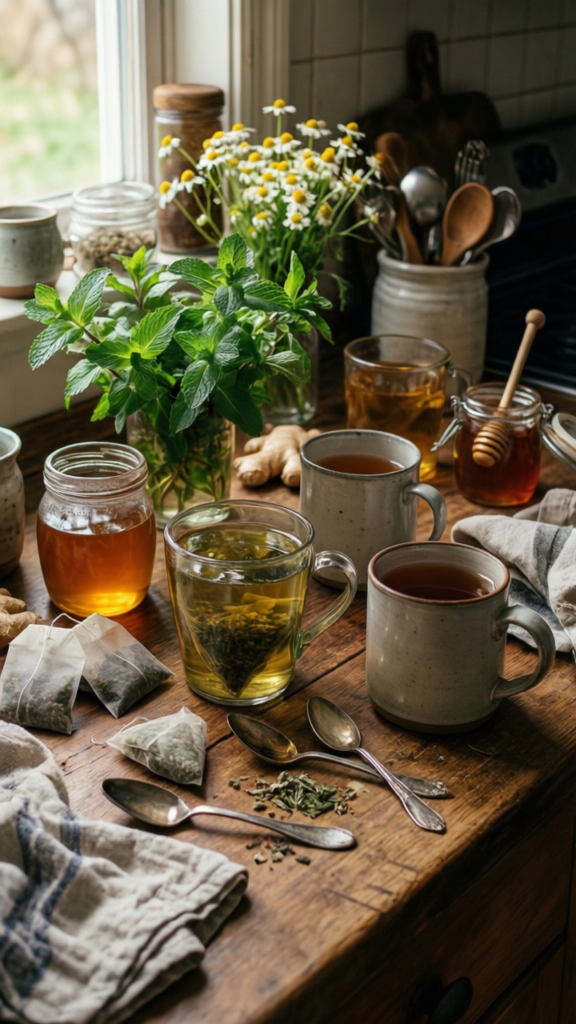
Most people treat dandelions like backyard weeds while ignoring the fact they can support digestion naturally. Tough branding problem honestly.
Dandelion tea helps stimulate digestion and supports liver function, which plays a role in overall gut health.
I started drinking it after heavy meals during holidays when my stomach felt overloaded from rich food.
Surprisingly helpful.
Takeaway: Dandelion tea supports digestion and helps the body process heavy meals more comfortably.
Rooibos tea works well for people who want a calming evening drink without caffeine.
I switched from late night coffee to rooibos tea after realizing caffeine plus stress plus poor sleep created an absolutely terrible life strategy.
Rooibos contains antioxidants and has a naturally smooth slightly sweet flavor without bitterness.
This became one of my favorite nighttime teas because it feels comforting without upsetting my stomach.
Takeaway: Rooibos tea supports relaxation and offers a gentle caffeine free option for evenings.
Slippery elm creates a soothing coating inside the digestive tract, which may help calm irritation.
When my digestion feels especially sensitive, slippery elm tea feels comforting in a very old school grandma remedy kind of way.
The texture becomes slightly thick. Not terrible. Just unexpected.
Takeaway: Slippery elm tea helps soothe and protect irritated digestive tissues.
Hibiscus tea tastes refreshing and tart while providing antioxidants that help reduce inflammation.
It also feels more exciting than plain water when you are trying to drink less soda. Small victories matter 🙂
Cold hibiscus tea became my afternoon replacement for sugary drinks during warmer months.
It may also support healthy blood pressure levels.
Takeaway: Hibiscus tea provides antioxidants that support overall wellness and inflammation reduction.
Green tea technically contains caffeine, but it still deserves a spot here because it supports healthy gut bacteria and contains powerful antioxidants.
The key is moderation. Three giant iced green teas on an empty stomach will absolutely fight back.
Switching from sugary coffee drinks to simple green tea reduced my afternoon energy crashes fast.
Avoid drinking it too late unless insomnia sounds fun.
Takeaway: Green tea supports gut health and provides antioxidants without excessive sugar or additives.
Building a tea habit does not need to become a complicated wellness project.
A few simple ideas:
Honestly, comfort matters. Tiny routines stick better when they actually feel enjoyable.

Once I started drinking herbal tea consistently, I noticed:
The biggest surprise was how much calmer my evenings felt. My nervous system finally stopped acting like it had consumed twelve espresso shots and bad news headlines all day.
You do not need a perfect wellness routine to support your digestion and stress levels.
Sometimes simple habits work best. A warm cup of herbal tea gives your gut support while forcing you to slow down for a few quiet minutes. That combination matters more than people realize.
These 12 best herbal teas for gut health and relaxation can help reduce bloating, calm digestion, and support relaxation naturally without making your life more complicated.
And honestly, your stomach deserves a little kindness after everything you put it through daily.