Physical Address
304 North Cardinal St.
Dorchester Center, MA 02124
Physical Address
304 North Cardinal St.
Dorchester Center, MA 02124


Tired of crashing after every meal, dealing with brain fog, and craving sugar all afternoon, these simple blood sugar hacks can help you keep your energy steady without completely changing your life.
Lunch looked innocent enough. A turkey sandwich, a handful of chips, and a fancy coffee that basically tasted like melted ice cream. An hour later, my brain checked out completely. I stared at my laptop like it personally offended me while my daughter asked the same question three times because apparently I had entered buffering mode.
That weird after-meal exhaustion used to hit me almost daily. I blamed motherhood, work stress, bad sleep, Mercury retrograde, literally everything except my blood sugar. Turns out those energy crashes after meals were not random at all.
Once I started paying attention to how certain foods affected my body, the difference felt almost unfair. Fewer cravings. Better focus. Less zombie mode by 3 PM. And no emergency cookie scavenger hunts.
Here are the blood sugar hacks that genuinely helped me stop crashing after meals without turning my kitchen into a wellness laboratory.

When you eat a meal packed with fast-digesting carbs and not much protein or fiber, your blood sugar rises quickly. Your body responds by pumping out insulin to bring it back down.
Sometimes it drops too fast. That is when the sleepiness, brain fog, shakiness, and cravings show up.
You know that feeling when you suddenly need a nap and a cinnamon roll at the exact same time? Yep. That.
The good news is that you do not need a perfect diet to stabilize your energy. Tiny habits make a huge difference.
Takeaway: Energy crashes after meals often come from rapid blood sugar spikes followed by quick drops.
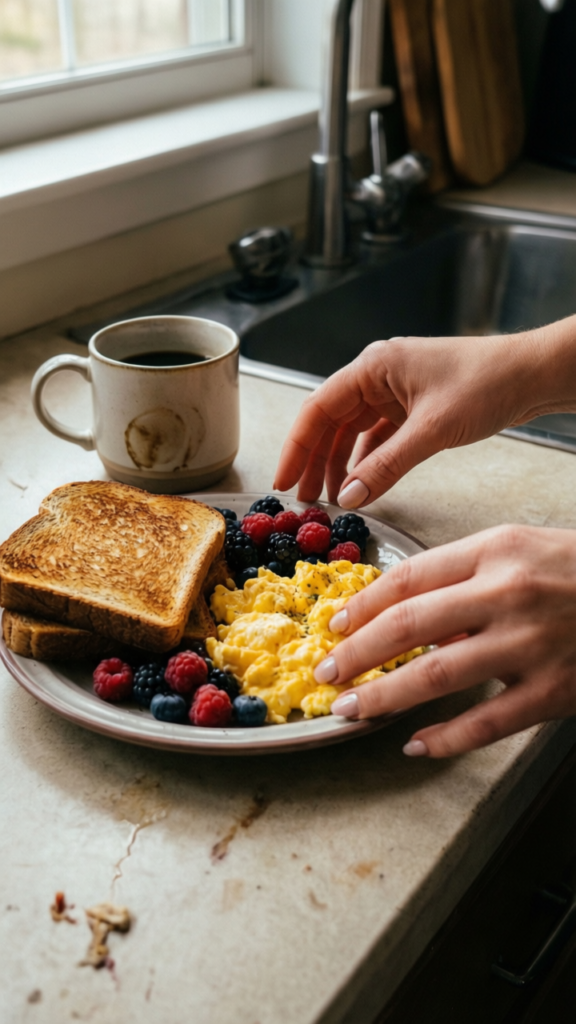
This one changed everything for me.
Instead of diving face-first into toast or pasta, I started eating protein before carbs. Eggs before fruit. Chicken before rice. Greek yogurt before granola.
Protein slows digestion and helps reduce dramatic blood sugar spikes after meals.
A simple plate formula that works well:
It sounds annoyingly simple because it is. But honestly, it works.
Takeaway: Starting meals with protein helps keep your energy steady longer.
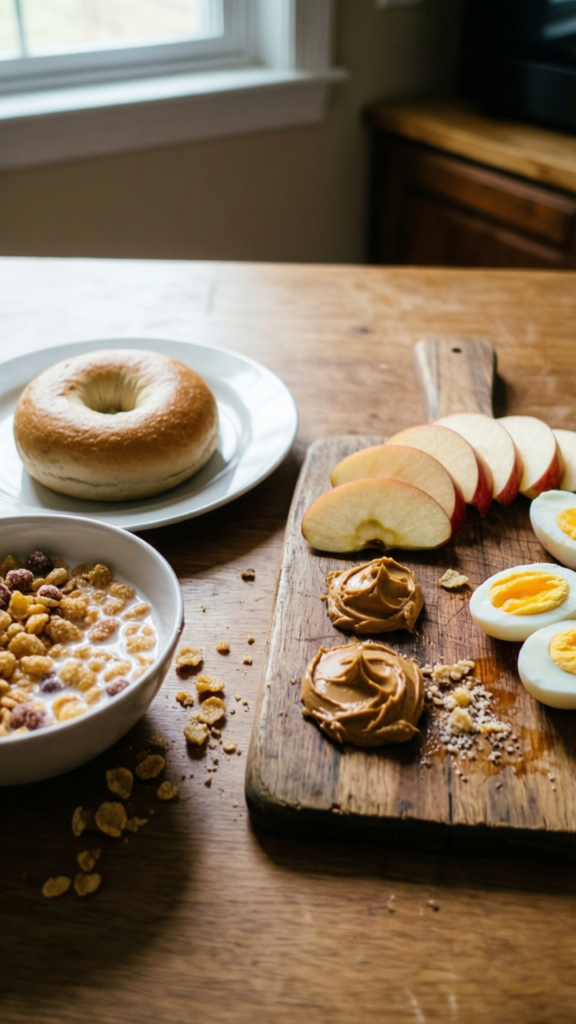
A plain bagel by itself? Delicious. Also basically a fast pass to sleepy-town.
Pairing carbs with fat, fiber, or protein helps slow how quickly sugar enters your bloodstream.
Instead of:
Try:
I learned this the hard way after eating cereal alone one morning and feeling like I needed a full emotional support blanket by 10 AM.
Balanced meals matter more than perfection.

I resisted this tip forever because it sounded suspiciously healthy and productive.
But a short walk after meals seriously helps your body use glucose more efficiently. You do not need a power walk. Just move around.
Sometimes I walk while cleaning the kitchen. Sometimes I pace around the house while my daughter explains Minecraft updates I absolutely did not ask for 🙂
Even a quick stroll after dinner can help prevent that heavy sluggish feeling.
Takeaway: Light movement after meals helps stabilize blood sugar naturally.
Fiber slows digestion and keeps blood sugar from shooting up too quickly.
The problem is most convenience foods barely contain any fiber at all. White bread, sugary snacks, pastries, and chips disappear fast in your body.
Adding fiber does not need to become a personality trait.
Simple options:
One of my favorite lazy lunches is sourdough toast with eggs and avocado plus cucumbers on the side. Nothing fancy. Just enough fiber to stop the afternoon slump.
Fiber helps your energy last instead of disappearing 45 minutes after lunch.
Sometimes dehydration makes fatigue worse after eating.
I noticed I felt heavier and sleepier after meals when I barely drank water all morning. Coffee does not magically count as hydration no matter how emotionally attached we are to it.
Drinking water before meals may also help digestion and appetite regulation.
I try to drink:
That alone improved my energy more than some expensive supplements I regret buying.
Takeaway: Staying hydrated supports better energy and steadier blood sugar.
This one hurt my feelings a little.
Muffins, sugary cereal, pastries, and sweet coffee drinks can send blood sugar on a roller coaster first thing in the morning. Then you spend the rest of the day trying to recover.
A breakfast with protein and fiber usually creates more stable energy.
Instead of:
Try:
Instead of:
Try:
Instead of:
Try:
You do not need to fear carbs. Just avoid starting your morning with a sugar bomb disguised as breakfast.
Balanced breakfasts help prevent cravings and crashes later in the day.
Okay, this sounds slightly crunchy-granola at first. I know.
But some studies suggest vinegar may help reduce blood sugar spikes after meals. I started trying a small splash of apple cider vinegar in water before heavier dinners like pasta or pizza.
Did it magically transform my life? No.
Did I feel less sleepy afterward? Honestly, yes.
Do not drink straight vinegar unless you enjoy making terrible life choices. Dilute it in water.
A simple mix:
FYI, this is not a replacement for medical advice if you have diabetes or blood sugar issues.
Takeaway: Vinegar before meals may help reduce post-meal blood sugar spikes.
Poor sleep and blood sugar problems love hanging out together.
Whenever I sleep badly, my cravings skyrocket the next day. Suddenly every carb in the house starts calling my name like a toxic ex.
Lack of sleep can affect insulin sensitivity and make energy crashes feel worse.
Not revolutionary. Just practical.
Better sleep supports healthier blood sugar and more stable energy.
Liquid sugar hits fast because your body absorbs it quickly.
Sweet coffees, juice, soda, energy drinks, and even some smoothies can spike blood sugar surprisingly hard.
I realized one giant flavored coffee had more sugar than my actual breakfast. Cool cool cool.
You do not need to ban fun drinks forever. Just pay attention to how you feel afterward.
Takeaway: Liquid sugar can trigger fast energy crashes after meals.
This sounds boring until you realize how often we inhale food while answering emails and reheating coffee for the third time.
Eating too quickly makes it harder to notice fullness and satisfaction cues. Slowing down may help digestion and blood sugar control.
I started sitting down for meals instead of hovering over the counter like a raccoon guarding leftovers. Weirdly helpful.
No meditation soundtrack required.
Takeaway: Eating slower can improve digestion, satisfaction, and energy levels after meals.
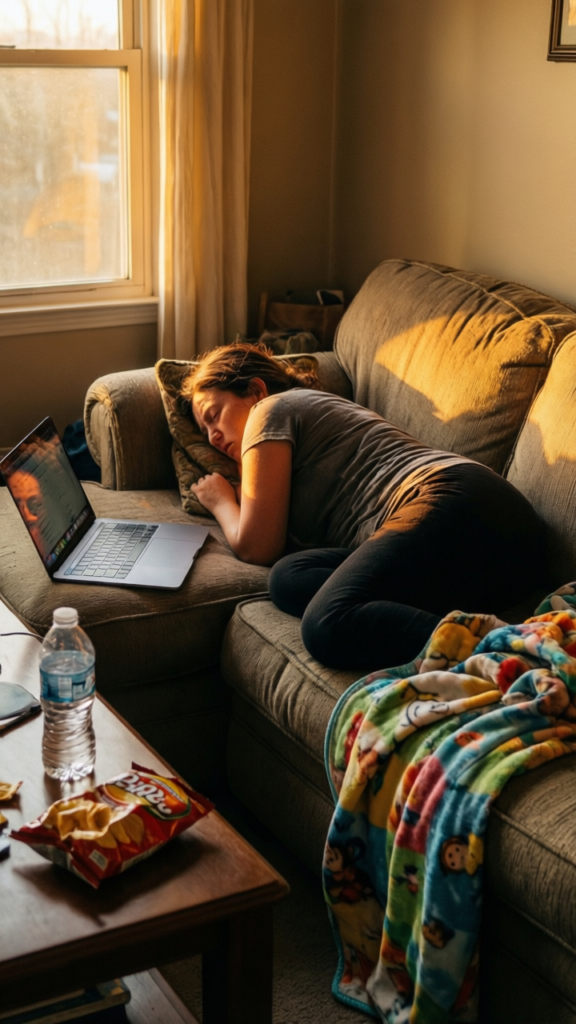
I used to think stable energy required some hyper-disciplined wellness lifestyle involving green powders and waking up at 5 AM voluntarily.
Turns out most blood sugar hacks are surprisingly basic.
Protein. Fiber. Walking. Water. Sleep. Balanced meals.
Tiny habits repeated consistently work better than dramatic overhauls that last four days and end with rage-eating cookies in the pantry.
And honestly, preventing energy crashes after meals is not about chasing perfection. It is about feeling functional enough to get through your day without needing a nap at your desk.
If your afternoons feel like a constant cycle of cravings, brain fog, and exhaustion, your blood sugar might be asking for a little more balance.
Start with one or two small changes first. Maybe add protein to breakfast. Maybe walk after lunch. Maybe stop pretending that a caramel-loaded coffee counts as hydration.
The goal is not eating perfectly. The goal is feeling steady, energized, and human again.