Physical Address
304 North Cardinal St.
Dorchester Center, MA 02124
Physical Address
304 North Cardinal St.
Dorchester Center, MA 02124


These blood sugar balance tips can help reduce afternoon energy crashes, support steady focus, and make busy workdays feel less exhausting through simple realistic habits.
By 2:30 p.m. my brain suddenly stopped cooperating. I stared at my laptop, reread the same sentence four times, and started craving something sweet with the emotional urgency of a survival situation. Meanwhile my cold coffee sat nearby pretending it could still save me.
For years I blamed laziness, lack of motivation, or bad sleep whenever afternoon crashes hit. Turns out my blood sugar had a lot more to do with it than I realized. Once I started paying attention to meals, snacks, and stress levels, those dramatic energy crashes became way less intense.
The good news is blood sugar balance does not require living on plain salads and sadness. Small daily habits can help you stay energized without feeling like a zombie by midafternoon.
These are the 10 blood sugar balance tips to avoid afternoon slumps that genuinely helped me stay more focused, energized, and slightly less emotionally dependent on emergency snacks.

Blood sugar naturally rises and falls throughout the day.
But certain habits can cause sharper spikes and crashes that leave you feeling:
I used to eat carb-heavy lunches with barely any protein, then wondered why my energy disappeared two hours later. Mystery solved apparently :/
Takeaway: Balanced blood sugar often leads to steadier energy, fewer cravings, and better focus throughout the day.

This was probably the biggest game changer for me.
Meals without enough protein left me hungry ridiculously fast. Then the snack cravings arrived like uninvited guests with terrible timing.
Protein slows digestion and helps stabilize energy levels.
Instead of plain toast alone, try:
Takeaway: Protein helps reduce energy crashes and keeps you fuller longer.
I ignored this advice for years because caffeine felt emotionally important to me.
But coffee without food often made me feel jittery, anxious, and eventually exhausted later.
Caffeine on an empty stomach may increase stress hormones and energy crashes later.
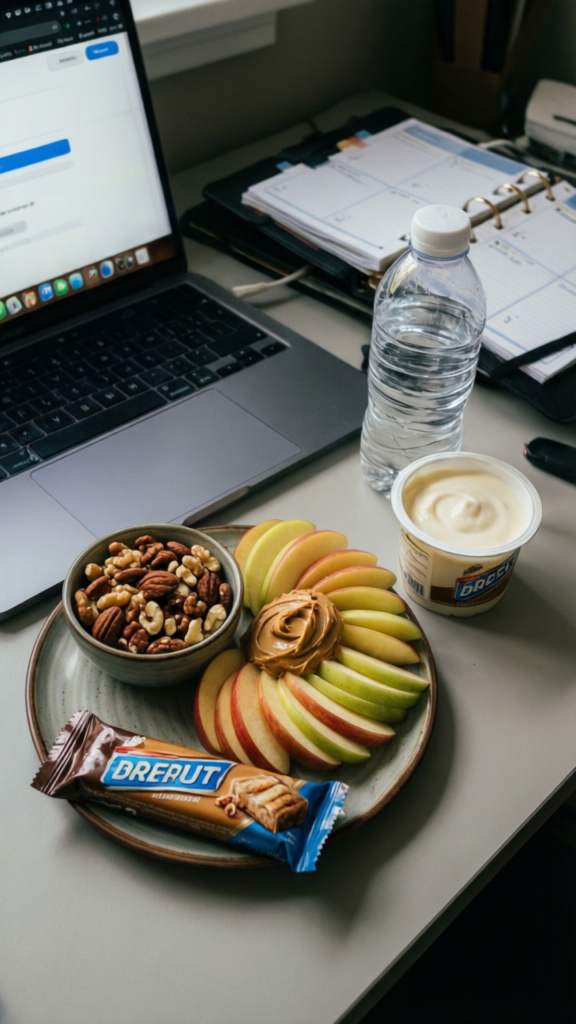
A granola bar alone used to count as lunch during busy workdays. My body was understandably unimpressed.
Balanced meals support steadier blood sugar levels.
Try combining:

Short walks after meals surprisingly helped my energy levels.
Nothing dramatic. Just simple movement.
Walking supports digestion and blood sugar regulation.
And honestly it also helps mentally reset during stressful workdays FYI.
Sugary breakfasts gave me temporary energy followed by an absolutely brutal crash later.
Steadier mornings usually create steadier afternoons too.
Takeaway: Blood sugar balance often starts with breakfast choices.
Dehydration and low energy feel weirdly similar sometimes.
Whenever I get busy, I accidentally replace water with caffeine and somehow expect my body to remain cheerful about it.
Proper hydration supports:
Skipping meals almost always backfired for me later.
I would ignore hunger signals all afternoon, then suddenly become ravenous by evening and eat everything in sight like I had been stranded in the wilderness.
Focus on meals with protein, fiber, and healthy fats.

Poor sleep affects blood sugar regulation more than most people realize.
After bad sleep, my cravings and energy crashes become dramatically worse. Suddenly every cookie looks emotionally supportive.
Better sleep supports:
Takeaway: Better sleep often reduces cravings and afternoon fatigue naturally.
Stress affects blood sugar too.
Busy workdays, constant notifications, and mental overload often made my cravings worse even when meals stayed balanced.
Stress hormones can affect hunger, energy, and cravings.
Hungry decisions are rarely my best decisions.
If I wait until I feel exhausted and starving, I suddenly develop intense loyalty toward vending machine snacks and leftover birthday cake.
Balanced snacks prevent dramatic hunger crashes later.
Some habits quietly create energy crashes without us realizing it.
Fast spike. Fast crash.
Especially combined with stress and poor sleep.
Very underrated cause of fatigue.
This usually backfires later.
Too much sitting makes me feel sluggish surprisingly fast.
Takeaway: Small daily habits often influence energy levels more than people expect.
You do not need a perfect health routine to support steady energy.
Once my habits improved consistently, I noticed:
Not perfect every day obviously. I still occasionally underestimate the emotional power of bakery pastries.
Sometimes fatigue and blood sugar symptoms deserve medical support.
Consider speaking with a healthcare professional if you experience:
Underlying health conditions sometimes contribute to blood sugar issues.
These 10 blood sugar balance tips to avoid afternoon slumps helped me feel more energized, focused, and less trapped in the cycle of caffeine crashes and constant cravings.
The biggest lesson I learned was that stable energy usually comes from consistent basic habits instead of quick fixes. Better meals, more protein, improved sleep, hydration, movement, and stress management genuinely make a noticeable difference over time.
Because honestly, surviving the afternoon without desperately needing a nap and three cookies feels like real personal growth sometimes.