Physical Address
304 North Cardinal St.
Dorchester Center, MA 02124
Physical Address
304 North Cardinal St.
Dorchester Center, MA 02124

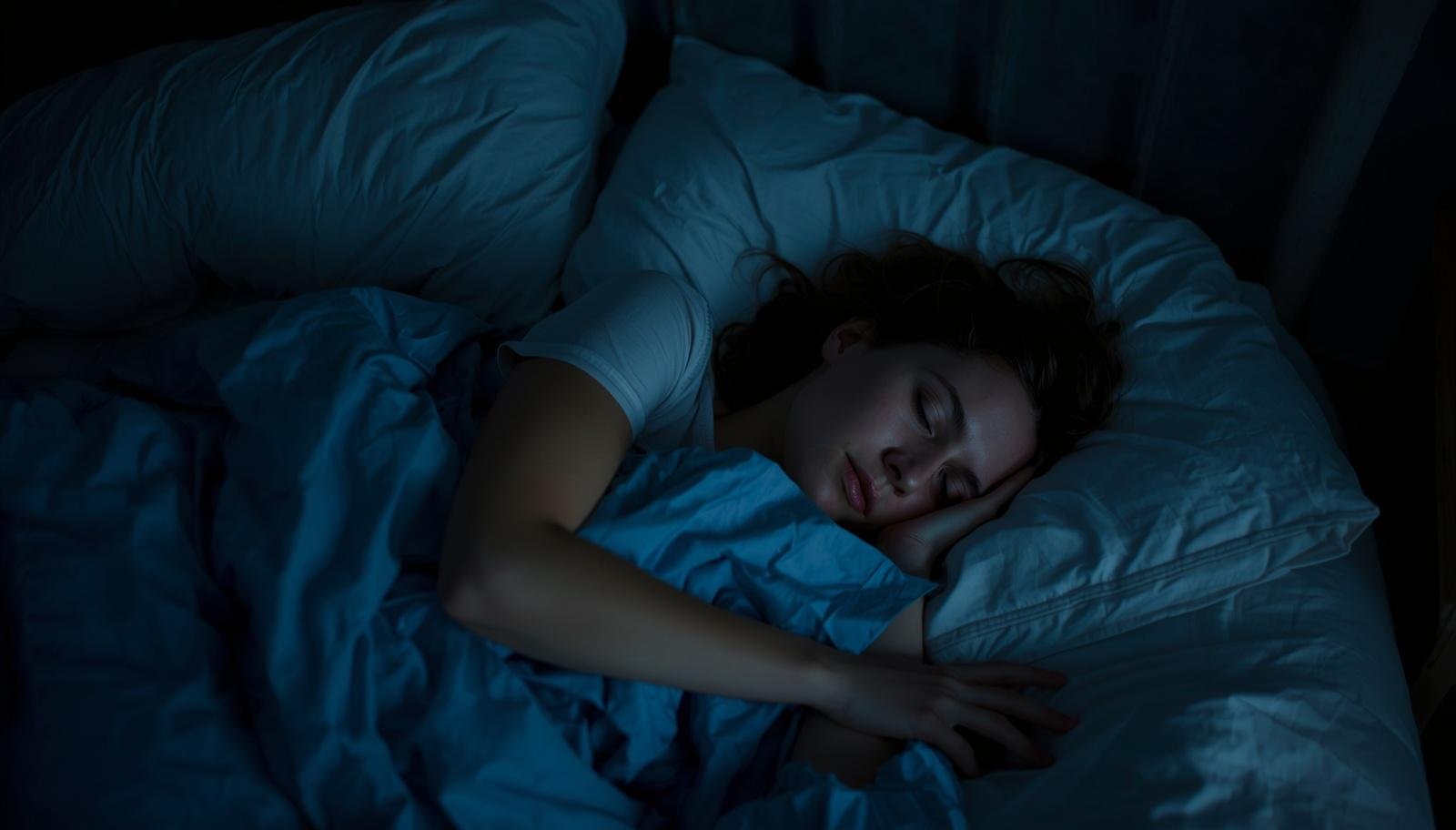
Feeling tired but not truly rested, this guide shares 7 simple deep sleep hacks to help you recover, recharge, and stay energized even during your busiest seasons.
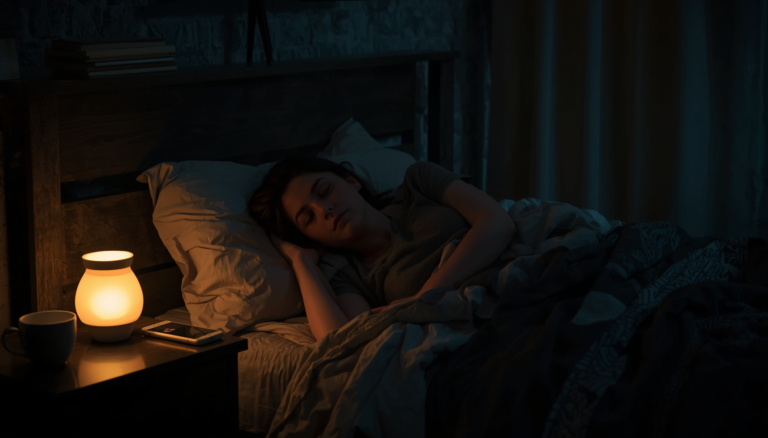
The alarm went off and I already felt behind. Not just tired, but heavy. Like sleep happened, but did nothing. My body felt slow, my brain foggy, and I still had a full day ahead.
That used to be my normal during busy seasons. Work deadlines stacked up, my daughter needed attention, and somehow sleep became this thing I technically did but never benefited from. If you have ever slept eight hours and still felt wrecked, you know exactly what I mean.
I realized I did not just need sleep. I needed better sleep. Specifically, deep sleep. The kind that actually helps your body recover.
Here are 7 deep sleep hacks to improve recovery during busy seasons that made a real difference in my daily energy and sanity.


I used to treat bedtime like a collapse. Work until I could not anymore, scroll a bit, then drop into bed.
That approach does not lead to deep sleep. It leads to your brain still running marathons at midnight.
Now I give myself a buffer zone before bed:
Nothing fancy. Just enough space for my brain to slow down.
Takeaway: Deep sleep starts before you get into bed.
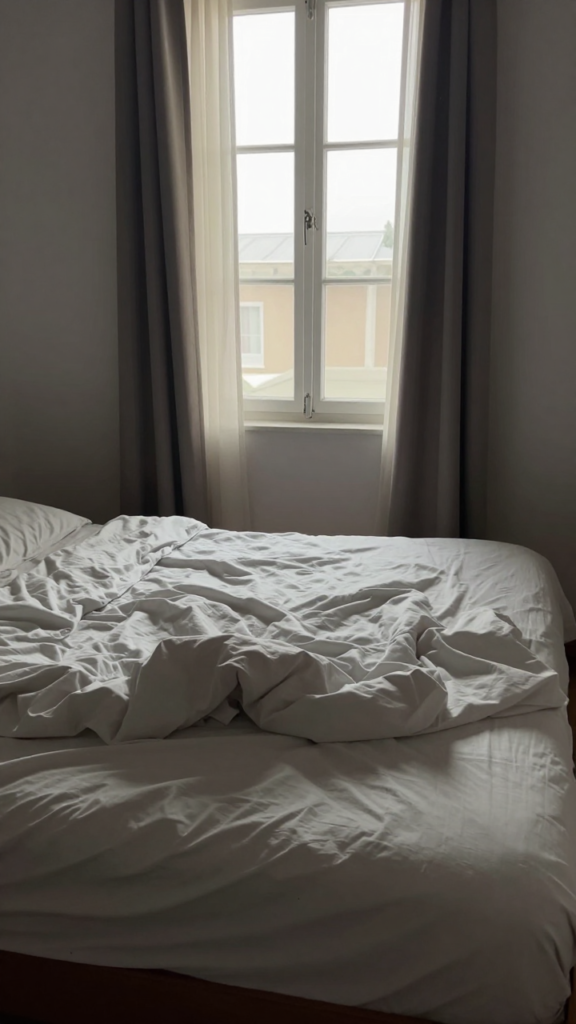
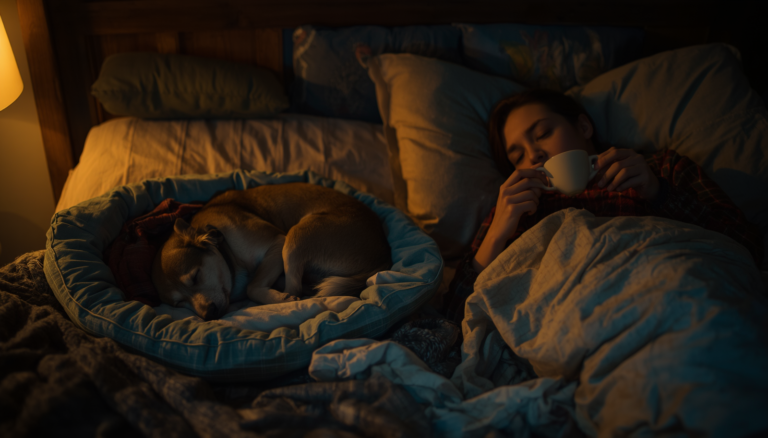
I ignored this for years. I thought comfort meant warm and cozy.
Turns out, your body sleeps better in a cooler room. Once I adjusted the temperature, I noticed fewer wake-ups and deeper rest.
Simple tweaks:
It does not need to feel cold. Just not stuffy.
Takeaway: A slightly cooler room supports deeper sleep cycles.
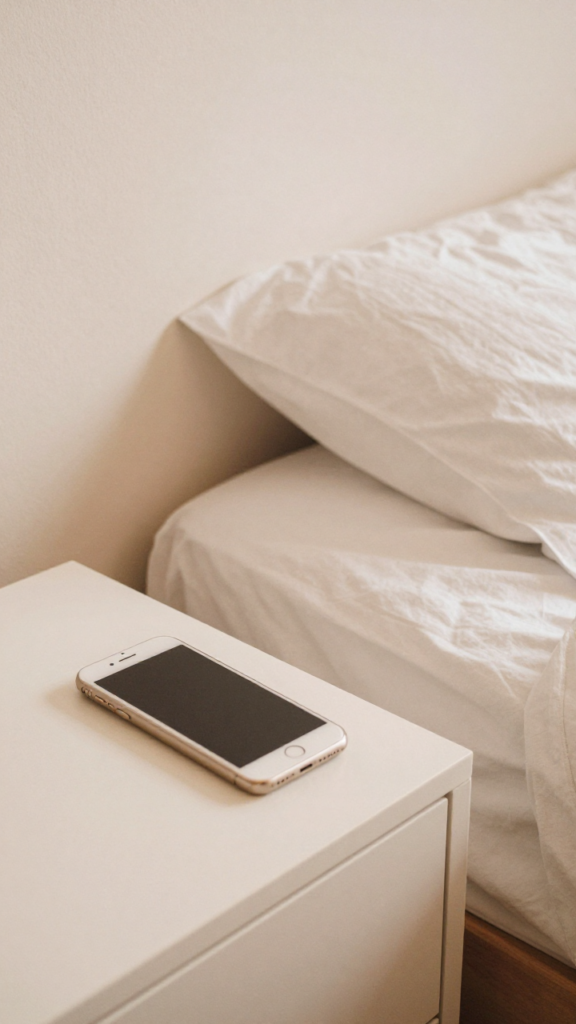
This one hurts a little because it is so easy to ignore.
I used to scroll at night to relax. But instead of calming me down, it kept my brain stimulated and alert.
Now I try to:
FYI, this was one of the hardest habits to change. Also one of the most effective.
Takeaway: Screens delay deep sleep more than you think.
Busy seasons mess with eating habits. I either eat too late or grab whatever is quick.
Both affect sleep quality.
I started paying attention to what and when I eat:
When I eat better, I sleep better. It is annoyingly simple.
Takeaway: Your nighttime food choices directly impact sleep depth.
Light controls your internal clock. I ignored this for way too long.
Now I focus on two things:
Even a short walk outside in the morning helps.
At night, I dim lights and avoid bright overhead lighting.
IMO, this small shift made my sleep feel more natural and less forced.
Takeaway: Light exposure tells your body when to be alert and when to rest.

During busy seasons, movement is usually the first thing to go.
I used to think skipping activity would save energy. It actually made me feel worse.
Now I keep it simple:
Nothing intense, just consistent movement.
🙂
Takeaway: Regular movement helps your body enter deeper sleep states.
This one changed everything.
I used to obsess over sleep. Track it, analyze it, stress about it. If I had one bad night, I assumed the next day would be terrible.
That mindset made sleep worse.
Now I aim for good enough sleep. Some nights are great. Some are not.
I adjust and move on.
Takeaway: Let go of perfection. Consistency matters more than perfect nights.
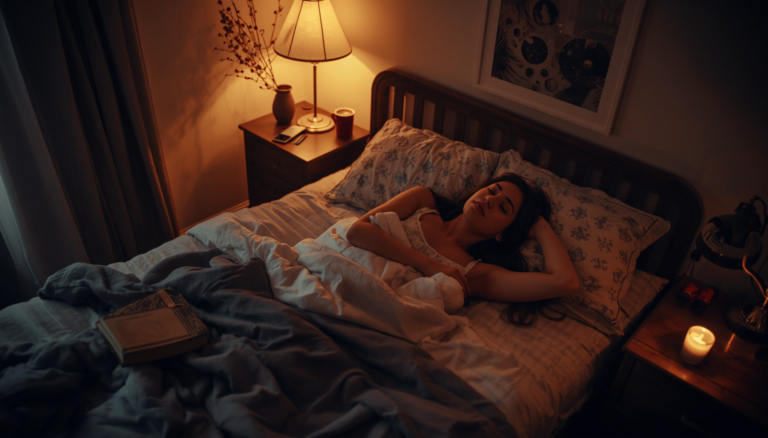
Deep sleep is where real recovery happens.
It supports:
When you miss out on deep sleep, you feel it. Slower thinking, lower patience, more cravings.
I noticed this especially during busy work periods. Less deep sleep meant everything felt harder.
Takeaway: Deep sleep is not optional if you want to function well.
Each of these habits supports your sleep in a different way:
Together, they create conditions where deep sleep can actually happen.
You do not need to do everything at once. Start with one or two.
Build from there.
Let me save you some frustration:
I have done all of these. None of them help.
Fixing even one can improve your sleep noticeably.
I am a business owner and a mom. My schedule is not calm or predictable.
There are nights when my daughter wakes up. Days when work spills into the evening.
But I focus on what I can control.
I create small habits that support my sleep instead of expecting perfect conditions.
That mindset shift made a bigger difference than any single hack.
Busy seasons will not slow down for you. Life stays full, responsibilities pile up, and stress shows up uninvited.
But your sleep can still improve.
These 7 deep sleep hacks to improve recovery during busy seasons are simple, realistic, and designed for real life.
Pick one tonight. Maybe you turn off your phone earlier or adjust your room temperature.
Small changes add up.
And better sleep is not just about feeling rested. It is about showing up as a better version of yourself every day.