Physical Address
304 North Cardinal St.
Dorchester Center, MA 02124
Physical Address
304 North Cardinal St.
Dorchester Center, MA 02124


A practical guide to help busy women align their workouts with their cycle and work schedule so staying consistent finally feels doable.
The meeting runs late, your inbox keeps filling up, and the workout you planned suddenly feels impossible. You tell yourself you will do it later, but later turns into dinner, dishes, and scrolling on the couch. Somehow, exercise always ends up at the bottom of the list.
I used to push through with the same workouts every week, no matter how I felt. Some days I crushed it. Other days I dragged myself through it and felt worse after. It took me way too long to realize my energy was not random. My hormones were driving the whole thing.
Once I started adjusting my workouts based on my cycle and my work schedule, everything felt more doable. Not perfect, but realistic. These 9 cycle syncing workout tips to match your work schedule will help you do the same without overcomplicating your life.

Your hormones shift every week. That affects your energy, strength, motivation, and recovery.
Trying to follow the same workout plan every day of the month is like expecting your phone battery to stay at 100 percent all day. It just does not work.
Here is the quick breakdown
When I stopped fighting these shifts, my workouts started to feel easier. Not easier as in lazy, but easier to stick to.
Takeaway: Work with your energy, not against it, and your routine becomes sustainable.

During your ovulatory phase, your energy peaks. This is when you feel strong, focused, and ready to take on more.
Plan these workouts on days when your work is lighter or more flexible. Do not stack intense workouts on top of stressful deadlines.
I used to do hard workouts on my busiest days. That was a terrible idea. Now I align both, and it feels way more manageable 🙂
Takeaway: Pair your strongest workouts with your least stressful workdays.
This phase feels like a fresh start. Your energy slowly increases, and motivation comes back.
Use this time to re-establish your routine after a low-energy phase. Keep workouts shorter if your work schedule is packed.
I treat this phase like a reset button. No pressure, just showing up consistently.
Takeaway: Build momentum during this phase instead of chasing intensity.
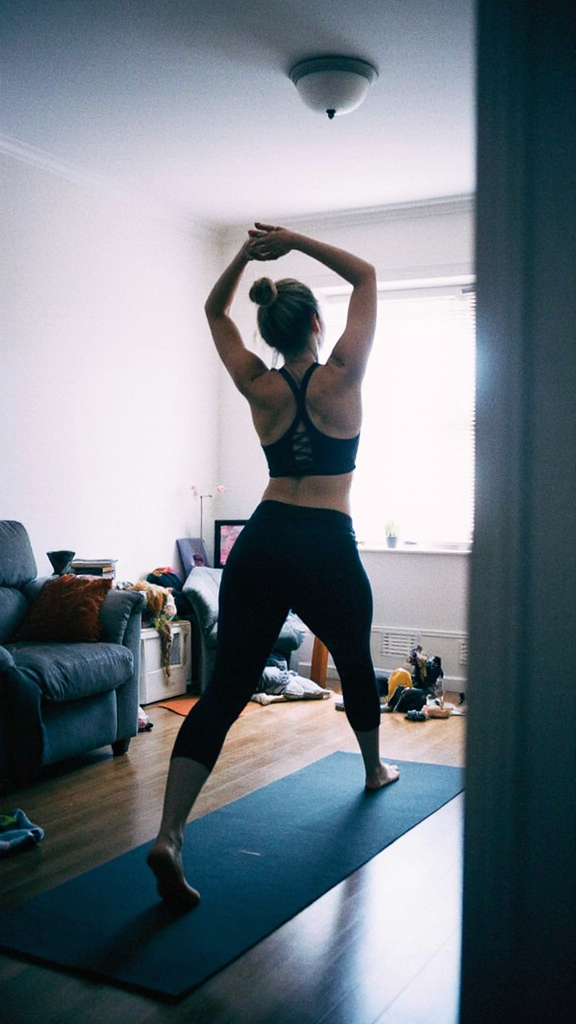
Busy workdays happen. That does not mean your workout disappears completely.
On hectic days, shorter workouts are easier to commit to. You stay consistent without feeling overwhelmed.
I used to skip workouts if I did not have a full hour. Now I do quick sessions and move on with my day.
Takeaway: A short workout beats no workout every time.

This is when your energy starts dropping. You may feel more tired and less motivated.
Plan less demanding workouts on your busiest workdays. Your body already feels stressed, so do not add more pressure.
I used to ignore this phase and push through. It never ended well. Now I adjust and feel much better, IMO.
Takeaway: Lower intensity helps you stay consistent without burning out.
Your menstrual phase is not the time to force intense workouts.
If work is busy, this phase gives you permission to slow down. You are not falling behind. You are supporting your body.
I used to feel guilty for resting. Now I see it as part of the plan.
Takeaway: Rest is productive when your body needs it.
Not everyone has the same daily rhythm.
If mornings are chaotic, stop forcing early workouts. If evenings feel draining, try midday movement instead.
I tried to become a morning workout person for years. It never stuck. Now I work out when my energy actually shows up.
Takeaway: Fit workouts into your natural rhythm, not someone else’s routine.
Decision fatigue is real, especially after a long workday.
On days when work drains you, you already know what to do. No thinking required.
My list saves me more often than I would like to admit :/
Takeaway: Planning ahead removes excuses when you feel tired.

Not every workout needs a dedicated time slot.
This works well on packed workdays. You still move your body without carving out extra time.
I pace around during calls more than I sit now. It adds up quickly.
Takeaway: Small bursts of movement still count toward your overall activity.
This is where everything clicks.
You start to see patterns. You know when to push and when to pull back.
Once I started tracking both, my planning became so much easier. No more guessing.
Takeaway: Awareness helps you plan workouts that actually fit your life.
You do not need a perfect system. You need something flexible.
Here is what helps
Some weeks feel smooth. Others feel chaotic. That is normal.
Takeaway: A flexible approach keeps your routine realistic and sustainable.
These 9 cycle syncing workout tips to match your work schedule are not about doing more. They are about doing what makes sense for your body and your time.
Start small
That alone can change how you feel about exercise.
At the end of the day, your routine should support your life, not compete with it. You already juggle enough between work and family.
So instead of forcing yourself into a rigid plan, pay attention to your energy. Work with it. That is where consistency actually begins.